For Homes
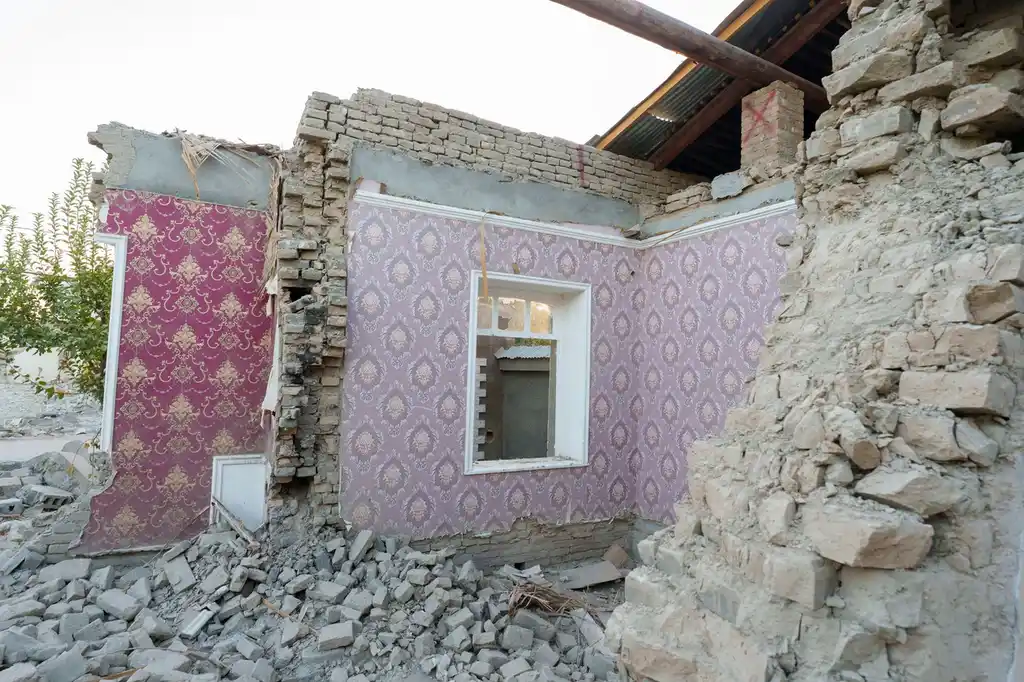
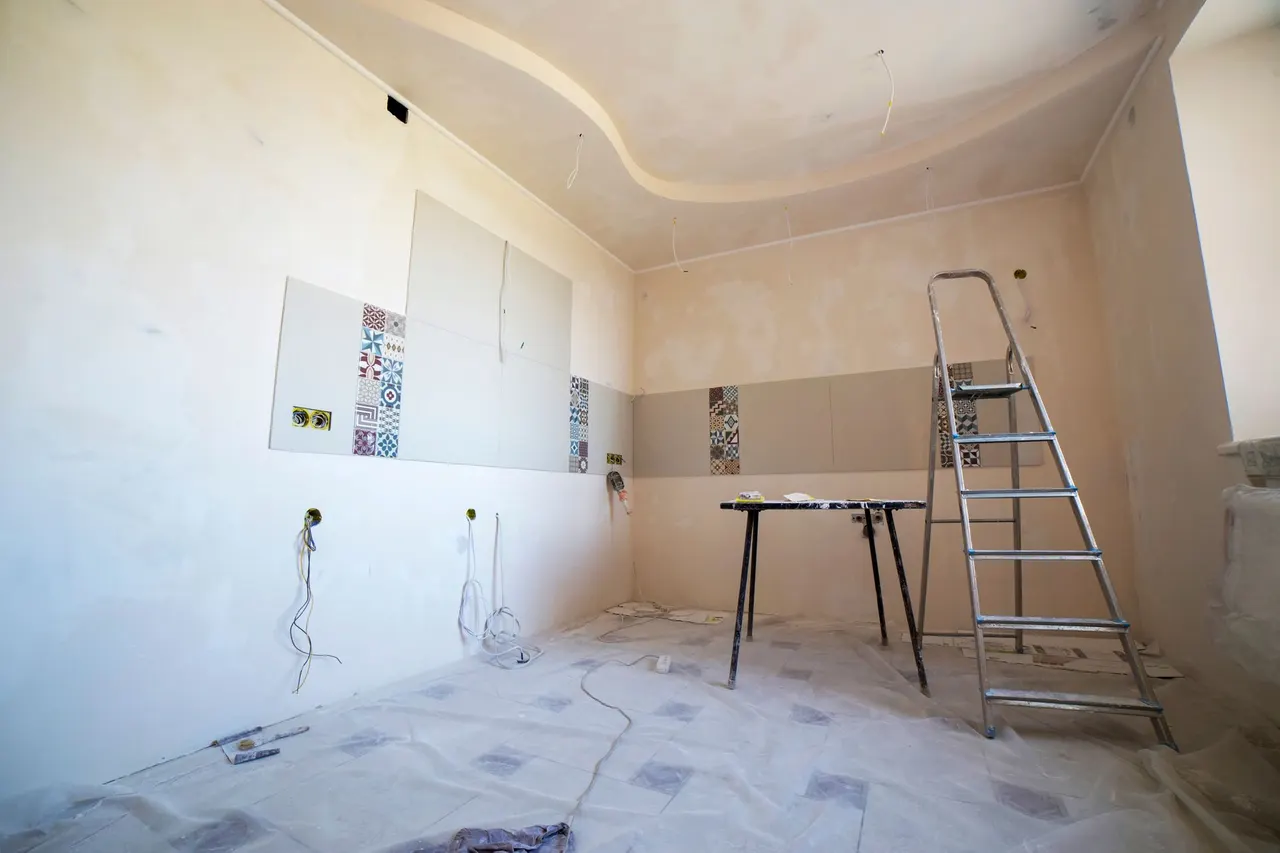
Your basement is the first place water shows up when a pump fails. We extract it fast and dry the space before mold starts.
- Finished basement flooding
- Carpet and padding soaked
- Drywall wicking water
When your sump pump quits during a Delaware storm, Sump Pump Failure Water Cleanup Wilmington DE gets the water out before it spreads. We handle sump pump water removal Wilmington DE for homeowners in New Castle County, from finished basements to crawl spaces. Water sitting for hours warps flooring and feeds mold, so we move fast.
 Extract standing waterMap hidden moistureDry the structure
Our standard sump pump failure water cleanup covers emergency extraction, moisture mapping, structural drying, and antimicrobial treatment. We document everything for your insurance claim. Add-on services like mold remediation or drywall replacement are quoted separately if needed.
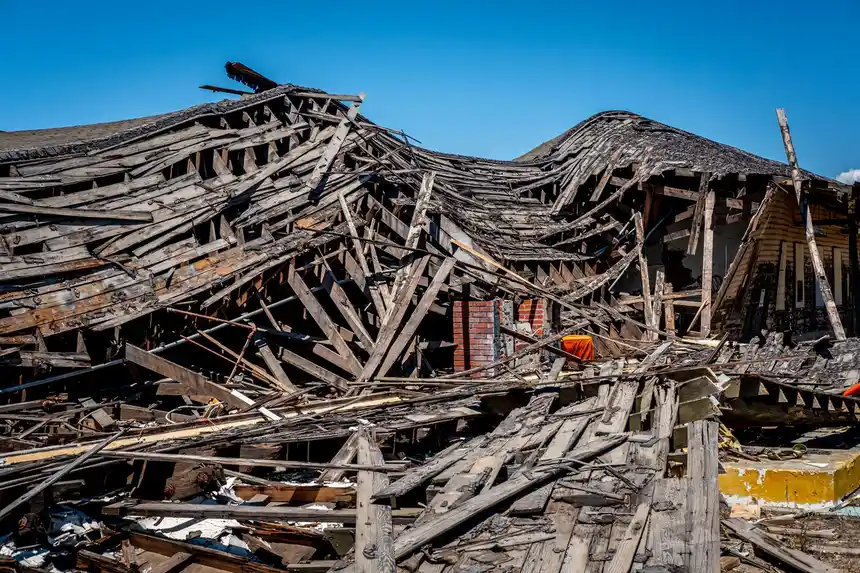
We pull standing water from your basement using truck-mounted extraction units and wet/dry vacuums. This includes water in floor drains, sump pump liners, and low spots.
A moisture meter, thermal imaging camera, and hygrometer map exactly where water has traveled. We check behind walls, under flooring, and inside crawl spaces to find hidden saturation.
After extraction, we apply EPA-registered antimicrobial treatment to wet surfaces. This stops bacteria and mold from growing while the structure dries over the next several days.
We position air movers and dehumidifiers based on our moisture map. Dri-Eaz and Phoenix Restoration Equipment units run continuously until materials return to normal moisture levels.
We return every 24 hours to check readings and adjust equipment. This ensures drying stays on track and we do not remove equipment too early, which would risk mold growth.
We photograph affected areas, log moisture readings, and provide a written summary of the sump pump failure. Your adjuster gets a complete file to process your claim faster.
The approach is the same for a home and a business. What changes is the access, the schedule and who needs the paperwork.
Your basement is the first place water shows up when a pump fails. We extract it fast and dry the space before mold starts.
A failed sump pump can shut down a basement storage area or server room. We extract water and dry fast to limit downtime.
A plain-language look at what Sump Pump Failure Water Cleanup involves and when it is needed.
See how it worksSump Pump Failure Water Cleanup Wilmington DE is the emergency water damage restoration service that extracts standing water, dries the structure, and prevents mold after a sump pump stops working. We pull water with truck-mounted extraction units, then dry the space with air movers and dehumidifiers. A moisture meter and thermal imaging camera confirm hidden saturation behind drywall and under flooring before we call the job done.
Wilmington sits low along the Christina River, and neighborhoods like Southbridge and Browntown flood when heavy rain overwhelms aging sump pumps. If you search for sump pump failure water cleanup near me Wilmington, you need a crew that knows these older brick basements and cast iron drains.
A failed sump pump is an emergency. Fast extraction and drying prevent mold and save materials.
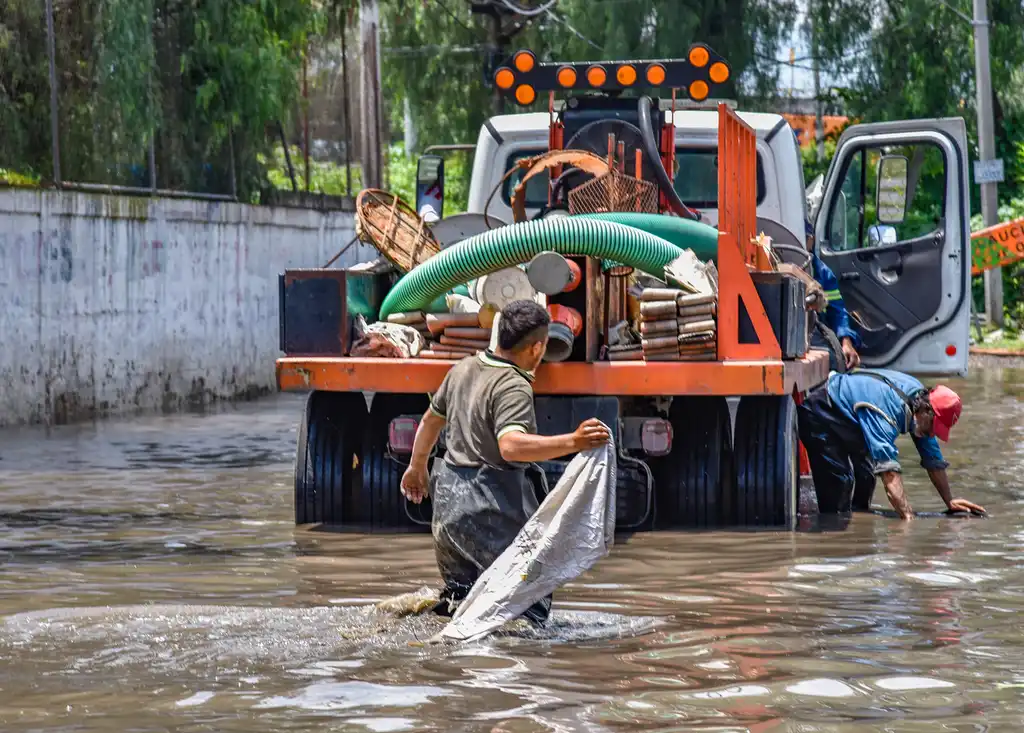
From your first call to the final moisture check, here is exactly what happens when we arrive at your Wilmington property.
You call (302) 775-0748 and describe the flooding. We ask about water depth, square footage, and whether the sump pump is still running. Within minutes we dispatch a crew with extraction equipment. We serve all Wilmington ZIP codes including 19802, 19801, and 19806.
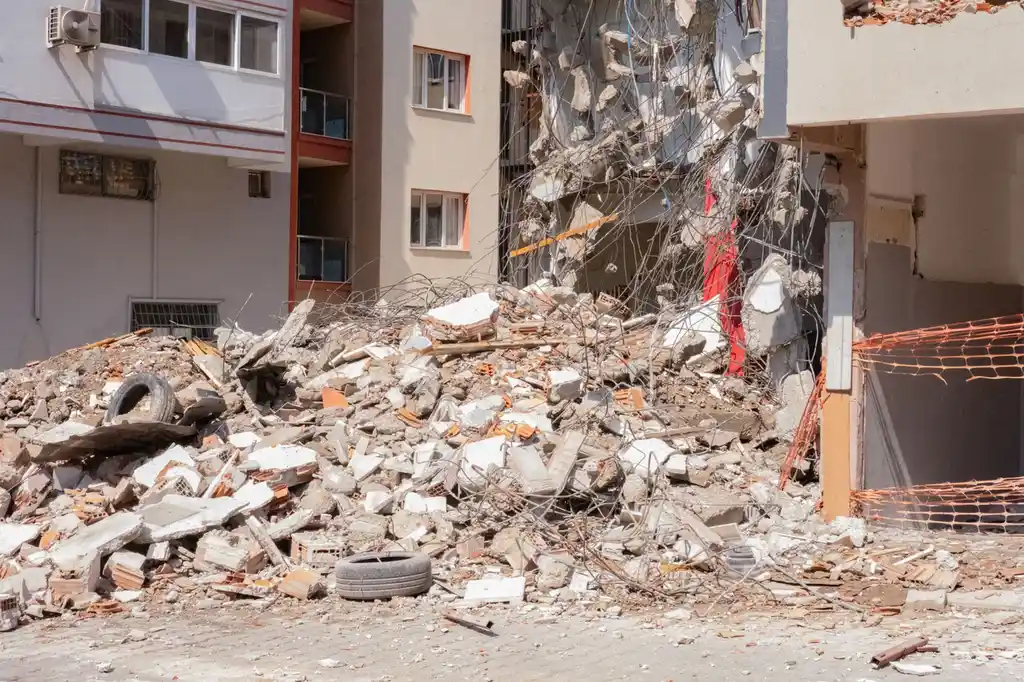
We arrive with a water extraction unit and wet/dry vacuum to pull standing water from your basement floor. A boroscope camera checks floor drains and sump pump liners for blockages. Extraction typically takes one to three hours depending on depth and debris.
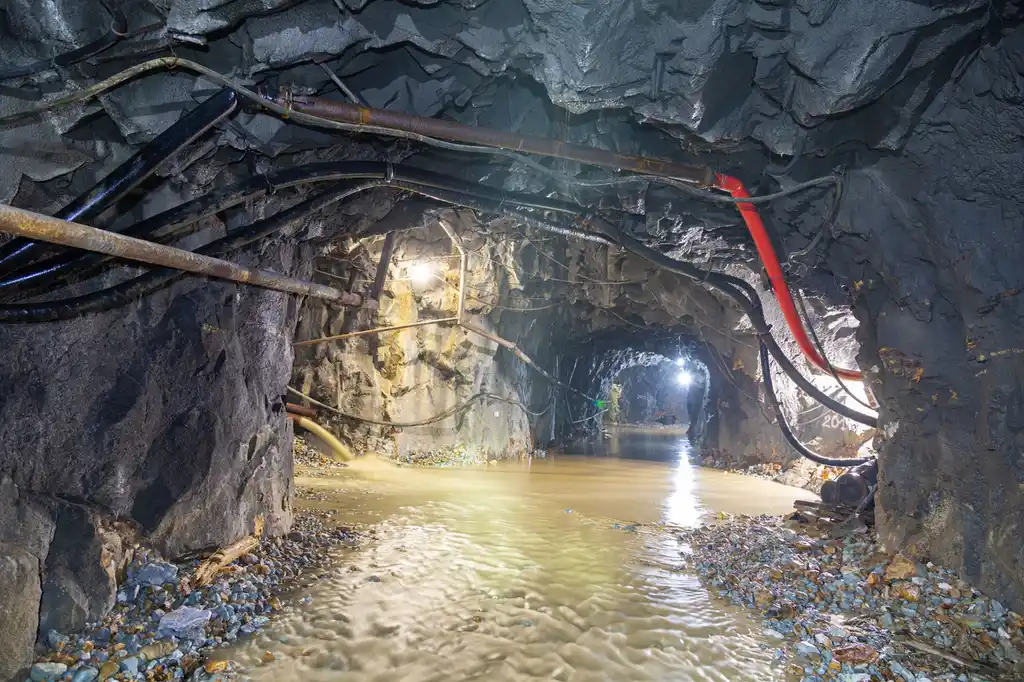
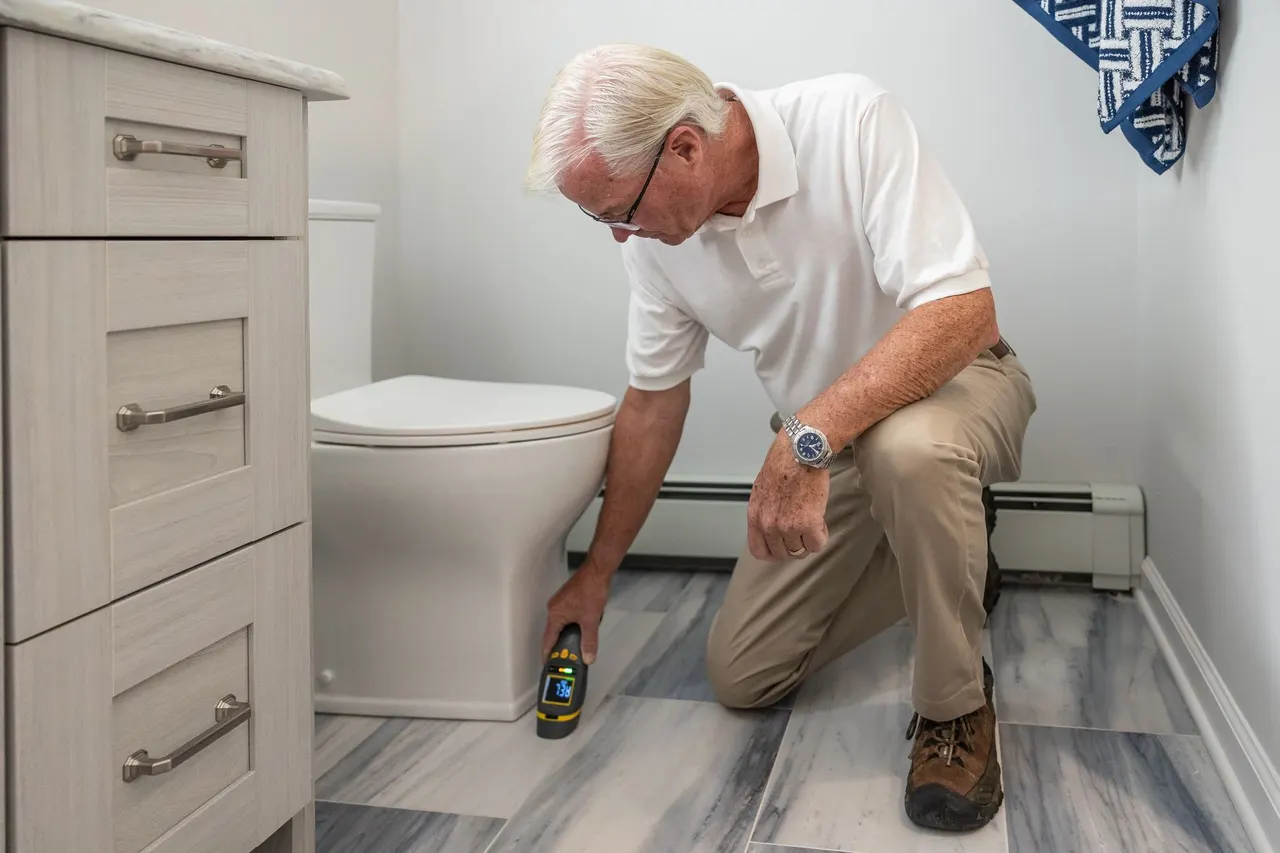
Once the bulk water is out, we run a moisture meter and infrared thermometer across floors, walls, and baseboards. A hygrometer reads ambient humidity. This gives us a drying map so we know exactly where to place equipment and how long it needs to run.
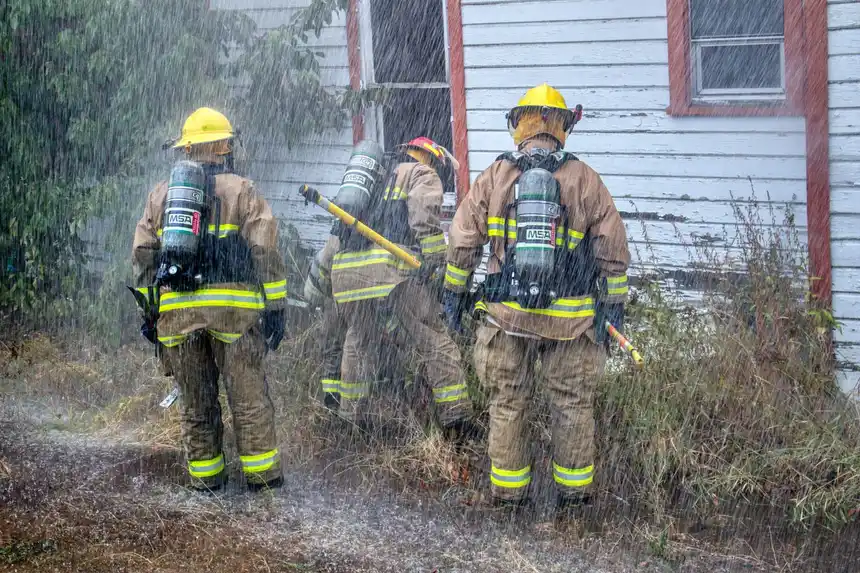
We set Dri-Eaz and Phoenix Restoration Equipment air movers and dehumidifiers to dry the structure. Drywall, plywood, and wood flooring all dry at different rates. We check readings every 24 hours and adjust equipment until materials return to normal moisture levels.
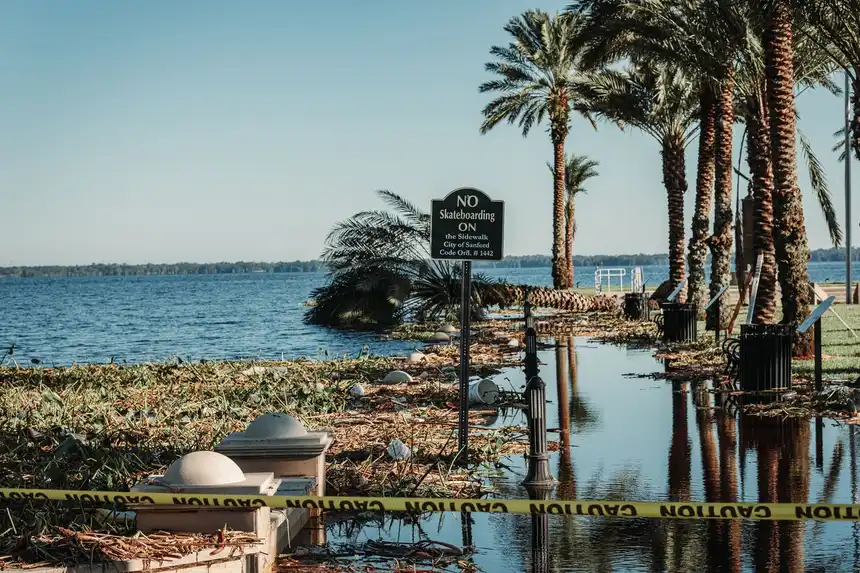
Before we leave, we take final moisture readings and compare them to our baseline. If any area still reads high, we keep drying. We walk you through what we found, what we dried, and what to watch for over the next week.
Move across a circle, or focus it and press Enter, for an illustrative thermal view of the photograph.
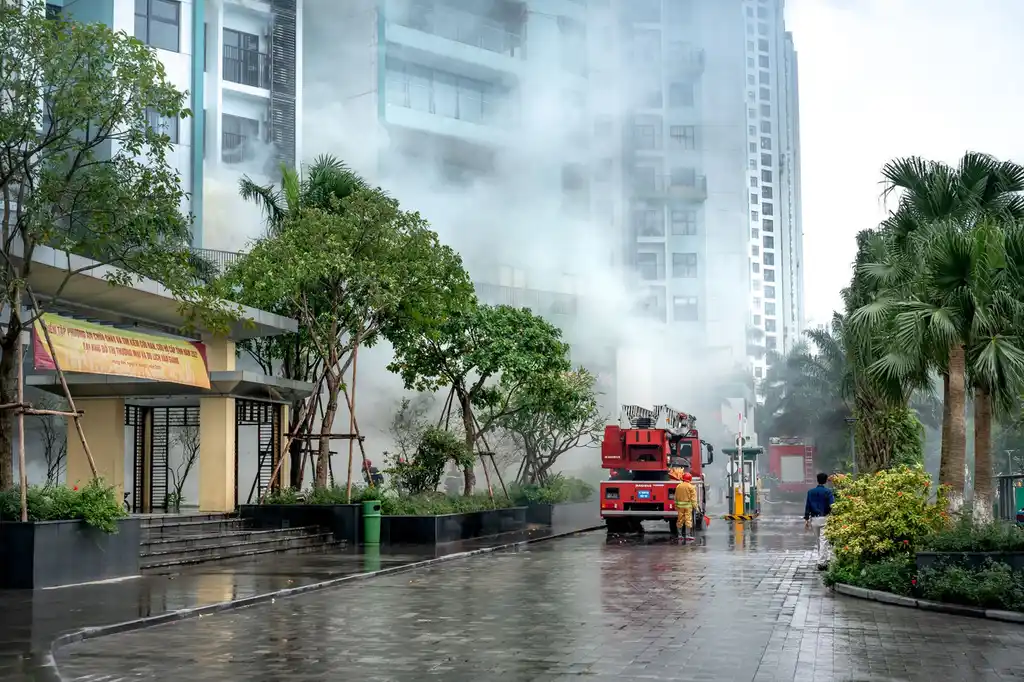
Truck-mounted unit that pulls 50 to 100 gallons per minute from flooded basements. This is the fastest way to remove standing water.
Reveals temperature differences behind walls and under floors, showing where water has traveled. Finds hidden moisture your eyes cannot see.

Reads moisture content in drywall, wood, and concrete. We use it to map the affected area and confirm when materials are dry.
High-velocity fans that circulate air across wet surfaces to speed evaporation. Positioned based on our moisture map for maximum efficiency.
Pull moisture from the air to dry the structure. We run them continuously until humidity levels return to normal.
Thermal views are illustrative, generated from the photographs.
Inspects inside walls, floor drains, and sump pump liners without demolition. Finds blockages and hidden water damage.
Measures relative humidity in the air. We use it to confirm the space is drying properly and to set equipment run times.
We follow the IICRC S500 standard for water damage restoration, which sets the industry baseline for extraction, drying, and moisture verification. This ensures our work meets insurance and industry requirements.
We create a moisture map by taking readings across the affected area with a moisture meter and thermal camera. This map guides equipment placement and tells us exactly when drying is complete.
After extraction, we apply EPA-registered antimicrobial to wet surfaces. This stops mold and bacteria from growing while the structure dries over the following days.
We return every 24 hours to check moisture readings and adjust equipment. This prevents over-drying, under-drying, and premature equipment removal that could lead to mold.
Your sump pump fails during a heavy rainstorm and water covers your basement floor.
We dispatch a crew with extraction equipment, pull the water, and set up drying equipment. We check the sump pump liner and floor drains for debris that may have caused the failure.
Outcome: Your basement is dry within three to five days, and you have documentation for your insurance claim.
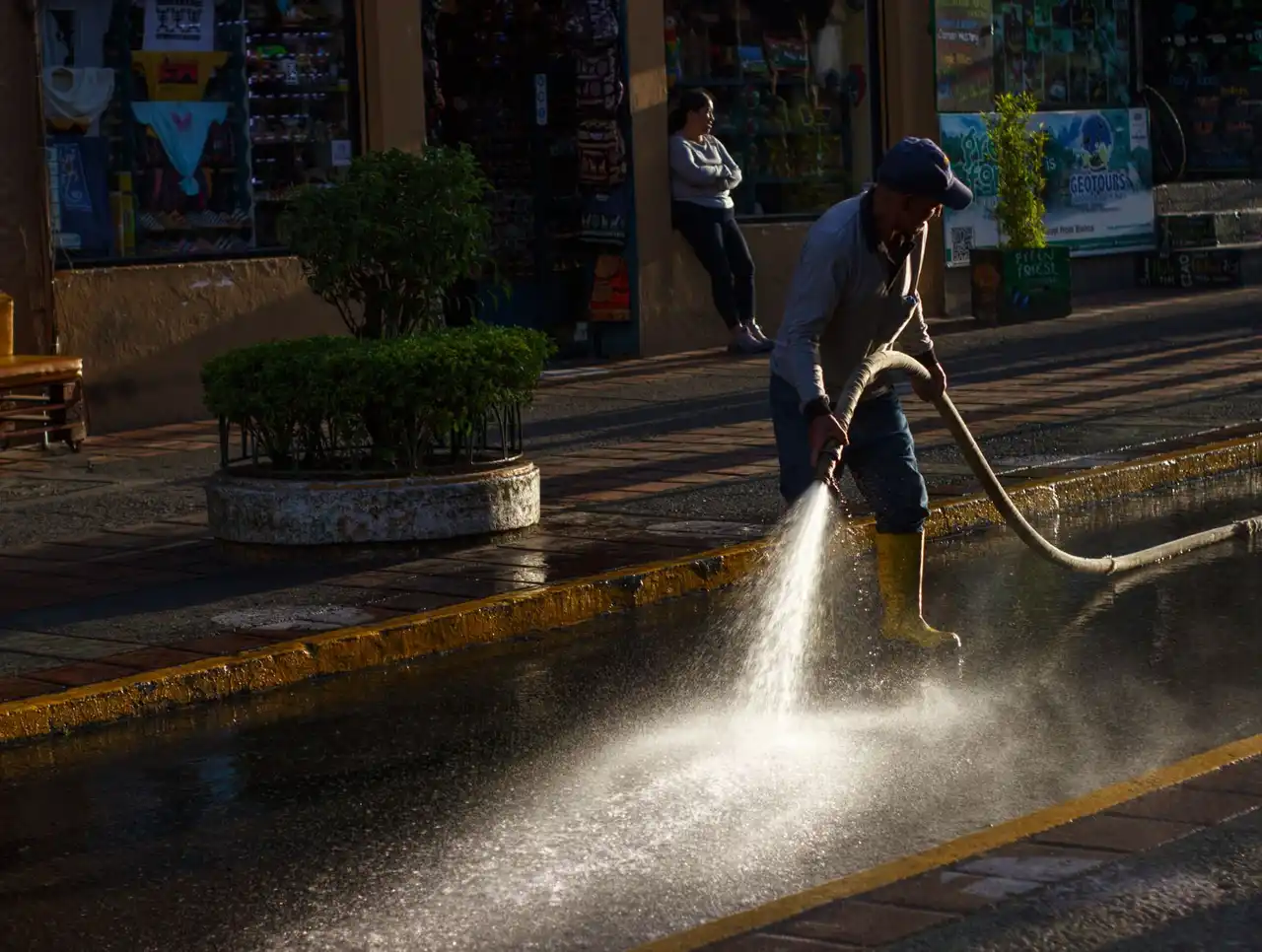
You wake up to find water seeping into your finished basement from a failed pump.
We extract water fast, then use thermal imaging to find hidden moisture behind paneling and under carpet. We dry the structure and treat surfaces to prevent mold.
Outcome: Your finished space is restored without tearing out more than necessary, and mold never gets a foothold.
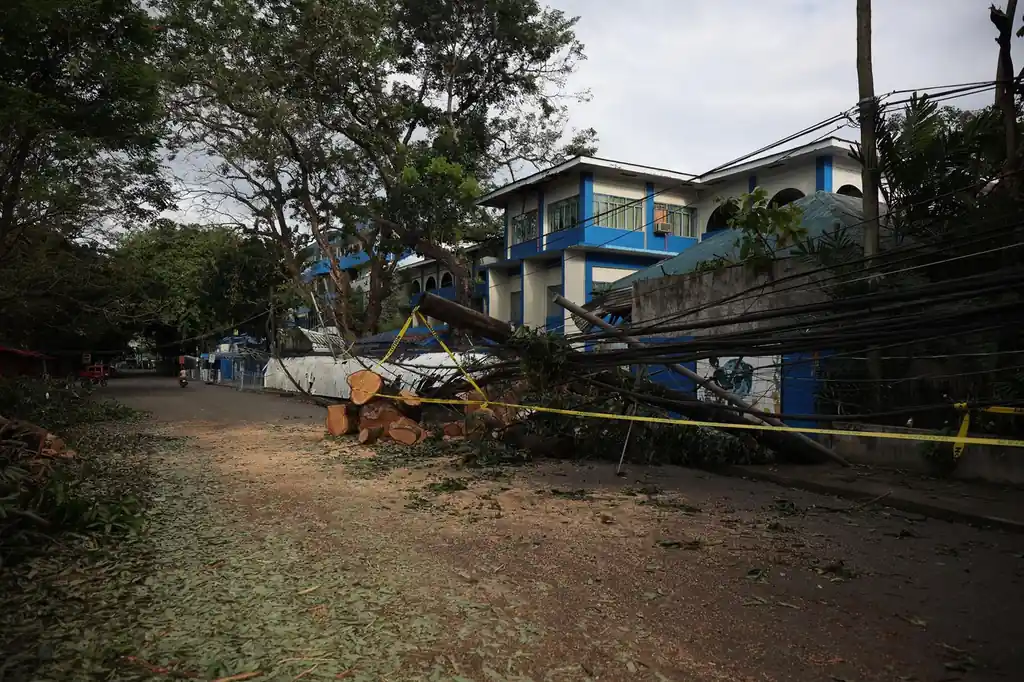
A power outage during a storm stops your sump pump and your basement floods.
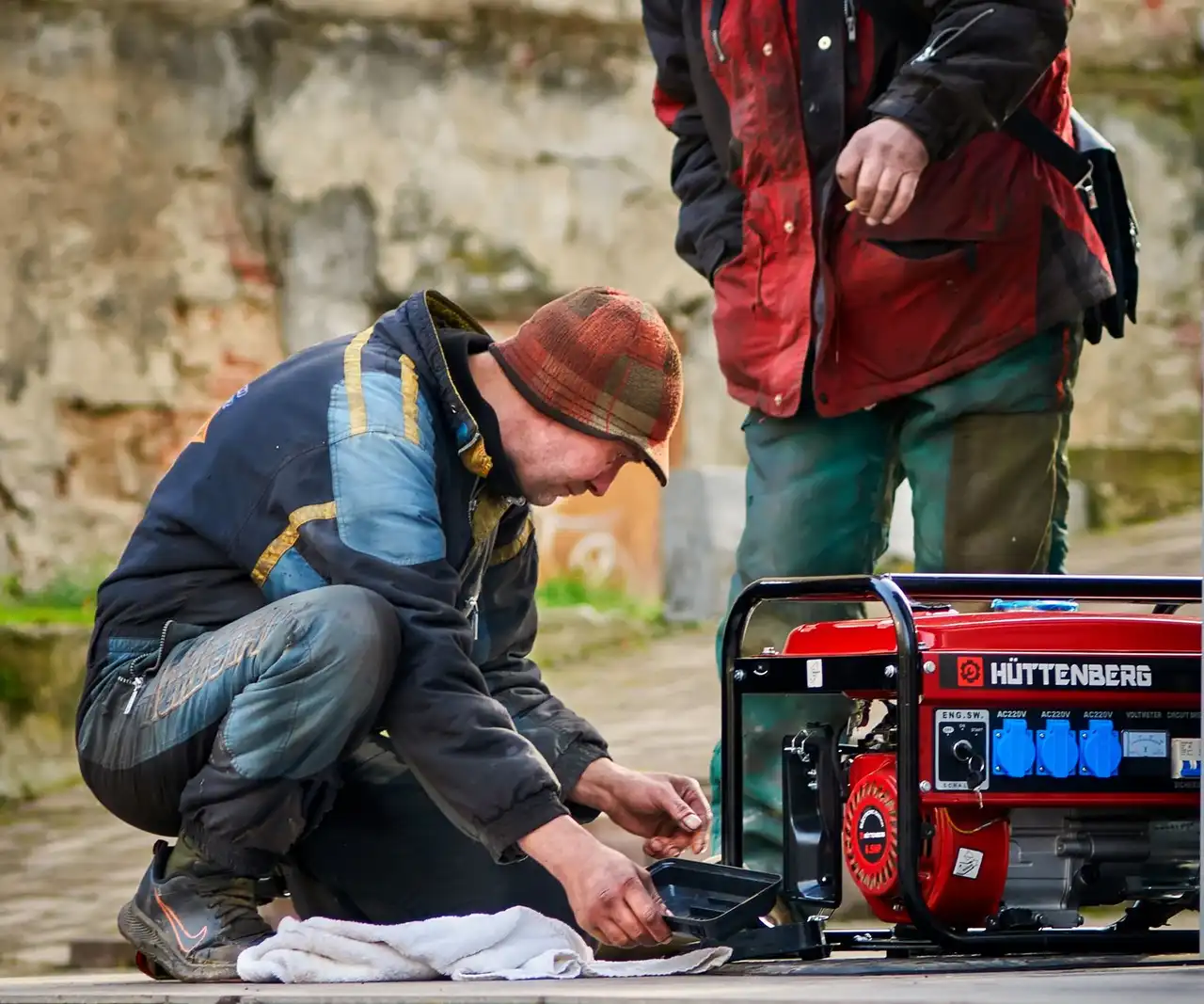
We arrive with a generator-powered extraction unit, remove the water, and begin drying. We document the power loss and pump failure for your insurance claim.
Outcome: Water is out within hours, and drying starts immediately to minimize damage to your basement.

Your sump pump runs constantly but the water level in your basement keeps rising.
We inspect the pump, float, and intake, extract the standing water, and dry the space. We tell you what failed so you can get the pump repaired or replaced.
Outcome: Your basement is dry, and you know exactly what to fix before the next storm.
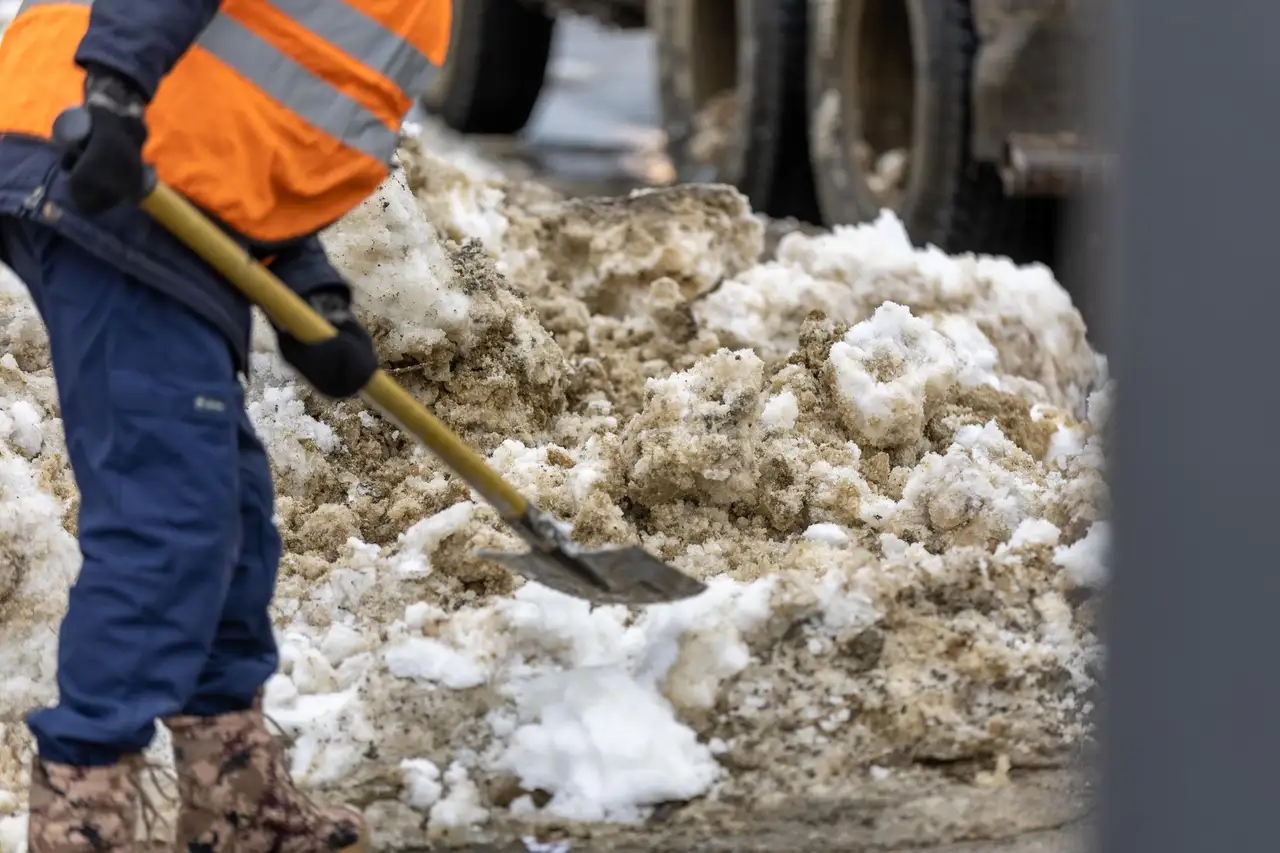
Wilmington's housing stock ranges from 19th-century brick row homes to modern Riverfront condos, and each type handles water differently. Older basements in Trolley Square and The Highlands often have stone foundations and cast iron drains that back up when sump pumps fail. Newer construction may have finished basements with drywall and carpet that soak up water fast.
We adjust our drying approach based on what we find. When you need emergency sump pump failure water cleanup Wilmington DE, we know which neighborhoods flood first during heavy rain. Our crews follow NEC electrical code when setting up equipment near basement panels.
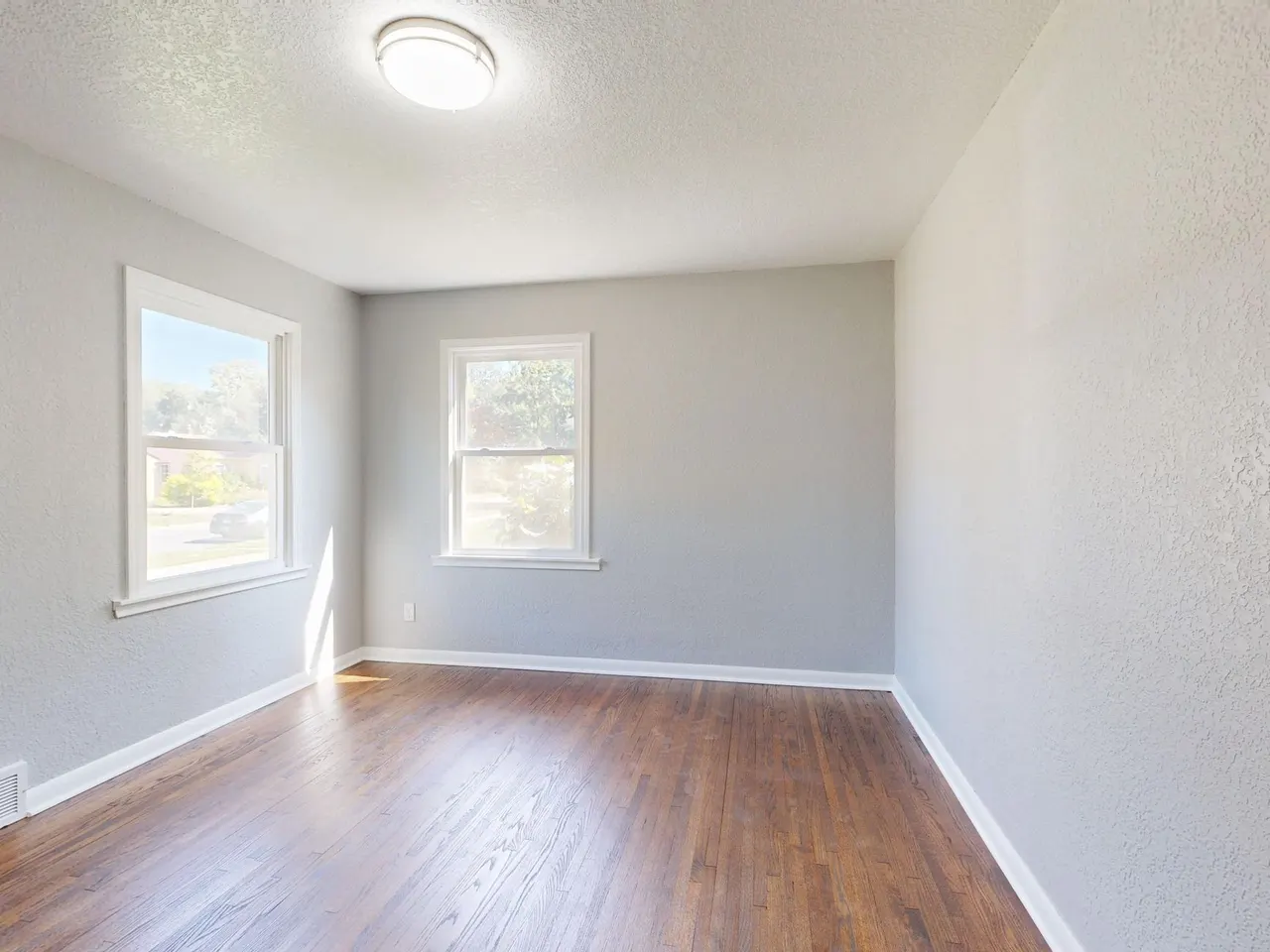
Before: A failed sump pump dumped four inches of water into a finished basement. Carpet, drywall, and a wood staircase were soaked. The homeowner called us at 7 a.m. after discovering the flooding.
After: We extracted 180 gallons in two hours, removed saturated carpet padding, and set up drying equipment. Five days later, moisture readings returned to normal. The homeowner saved the drywall and staircase.
We recommended a battery backup sump pump and a water alarm. The homeowner installed both within a month.
Before: Heavy rain overwhelmed a sump pump in a Southbridge home. Water covered the basement floor and soaked the bottom two feet of drywall. The homeowner had no idea the pump had failed until morning.
After: We extracted the water, cut out saturated drywall, and dried the framing. The space was dry in four days. We documented everything for the insurance claim, which covered the repairs.
We suggested a sump pump liner upgrade and annual pump testing before storm season.
Before: A power outage during a storm stopped a sump pump in a Riverfront condo building. Water flooded the basement storage area and damaged stored items and electrical outlets.
After: We extracted the water, dried the space, and checked for moisture behind walls. The building manager had us document everything for the insurance claim. The space was dry in three days.
We recommended a generator hookup for the sump pump and a quarterly pump inspection.
A failed sump pump creates a chain reaction of damage. Here are the most common problems we fix for Wilmington homeowners.
Fast extraction and drying save your basement from mold and costly repairs.
Our water extraction unit pulls 50 to 100 gallons per minute from flooded basements. Most Wilmington jobs reach dry-floor status within two to four hours of arrival, stopping the spread before it reaches your water heater or furnace.
We use a thermal imaging camera and moisture meter to read saturation behind drywall and under tile. This catches water your eyes miss, which is exactly where mold growth starts. Every reading is logged so you know what we found.
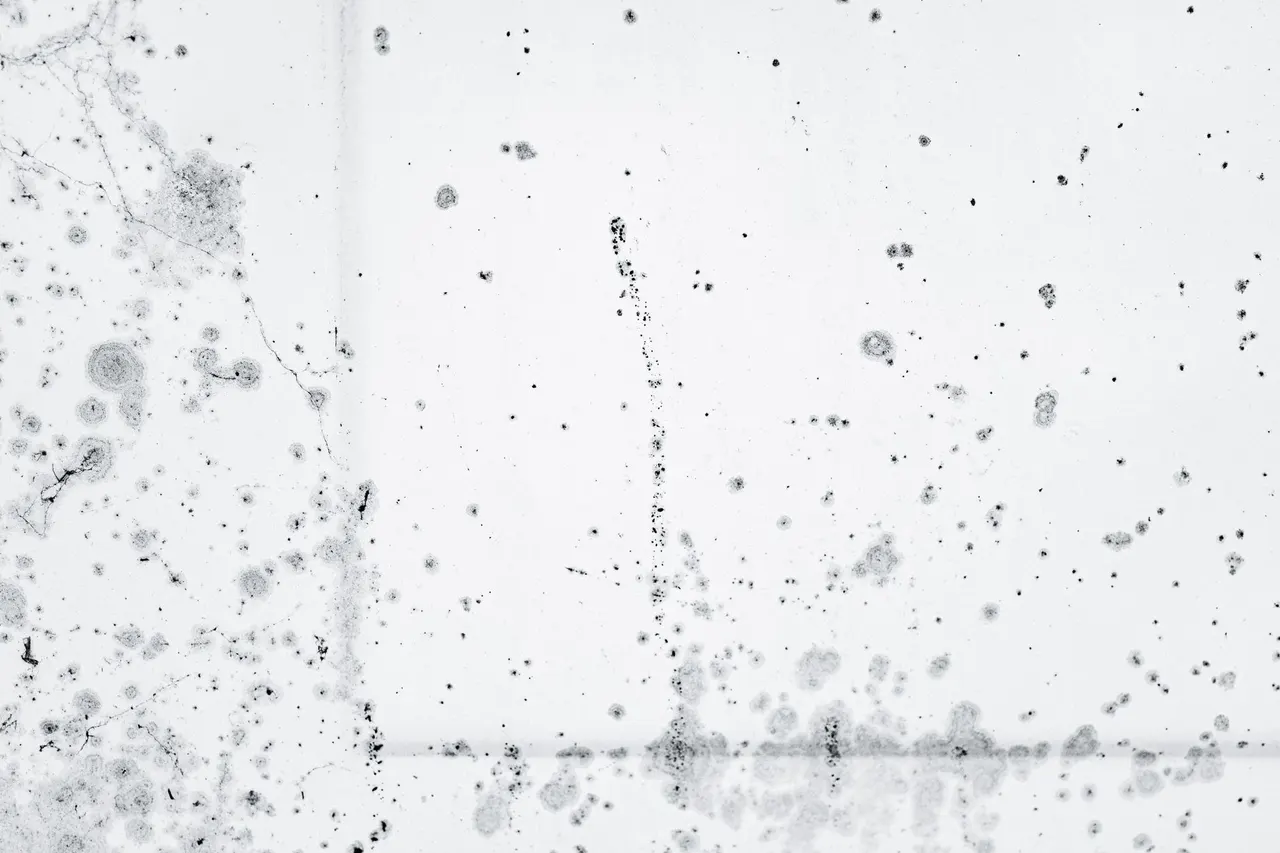
Mold can begin colonizing wet drywall in 24 to 48 hours. We apply antimicrobial treatment and set dehumidifiers running immediately after extraction. Our IICRC WRT and AMRT technicians know how to dry fast enough to keep mold from taking hold.
We photograph every affected area, log moisture readings, and document the sump pump failure for your claim. Most homeowner policies in Delaware cover sudden sump pump failure water damage, and our records give your adjuster what they need.
What a written scope covers and what shapes it. Prices are set by the business after the first look.
Included
Depends on
Clear records you can keep and share.
Images of affected areas before and after
Daily readings recorded and shared
Written record of work completed
Final readings confirming dry space
Not all water damage is the same. What you do in the first hour matters most.
Water from a failed sump pump that has not contacted waste.
Water that has picked up dirt or debris from the basement floor.
Water contaminated by sewage or groundwater intrusion.
A list like this tells people straight away whether you cover their street. Not listed? Call and ask: it only takes a minute.
Based in Wilmington and covering the places around it. Pick one for local details.
A shallow basement flood with quick extraction sits at the low end. Finished basements with soaked drywall and carpet push higher. We give you a written price before work begins.
The three most common causes we see are power loss during storms, a stuck float switch, and a clogged intake screen full of debris. Older pumps in Wilmington's brick basements also fail from worn impellers after years of service. If your pump runs constantly but moves no water, the impeller or check valve is likely the problem.
Extraction usually takes two to four hours. Structural drying runs three to five days depending on materials and humidity. A concrete-floor basement with minimal drywall dries faster than a finished space with carpet and paneling. We check moisture daily and do not remove equipment until readings return to normal.
Most homeowner policies in Delaware cover sudden sump pump failure water damage, but coverage depends on your specific policy and whether you have a sump pump endorsement. We document everything with photos and moisture logs to support your claim. Call your insurer first, then call us at (302) 775-0748.
Other services from the same team.
Water in your basement spreads fast. Call (302) 775-0748 and we dispatch a crew with extraction equipment. We serve all of Wilmington and New Castle County. One call gets water out and drying started.
Call (302) 775-0748 any time, day or night. If you prefer email, send photos and details to [email protected] and we will follow up with next steps.