Roof Leak Water Damage Restoration in Wilmington starts with stopping the water. We tarp, extract, and dry before mold can take hold. Whether a nor'easter drove rain through your flashing or an ice dam backed up under your shingles, our team responds across New Castle County with moisture meters, thermal imaging cameras, and commercial air movers. We document everything for your insurance claim and leave your ceiling, walls, and floors dry to standard.
Trace leak pathExtract standing waterDry to standard
We tarp firstStop water entry before interior work
We measureMeter and thermal camera on every job
We log dailyMoisture readings recorded each visit
We verify dryNo equipment pulled until standard met
What Roof Leak Water Damage Restoration Includes
Every roof leak job starts with the same core scope: stop the water, find the extent, extract, dry, and verify. What changes is how much material is affected and whether structural repairs are needed. Here is what we handle on a typical Wilmington job.
Emergency Leak Stabilization
We tarp the roof or make temporary repairs to stop active water entry. Inside, we control the leak with buckets, plastic sheeting, and a controlled drain hole if the ceiling is bulging. This step happens the same day you call.
Moisture Detection and Mapping
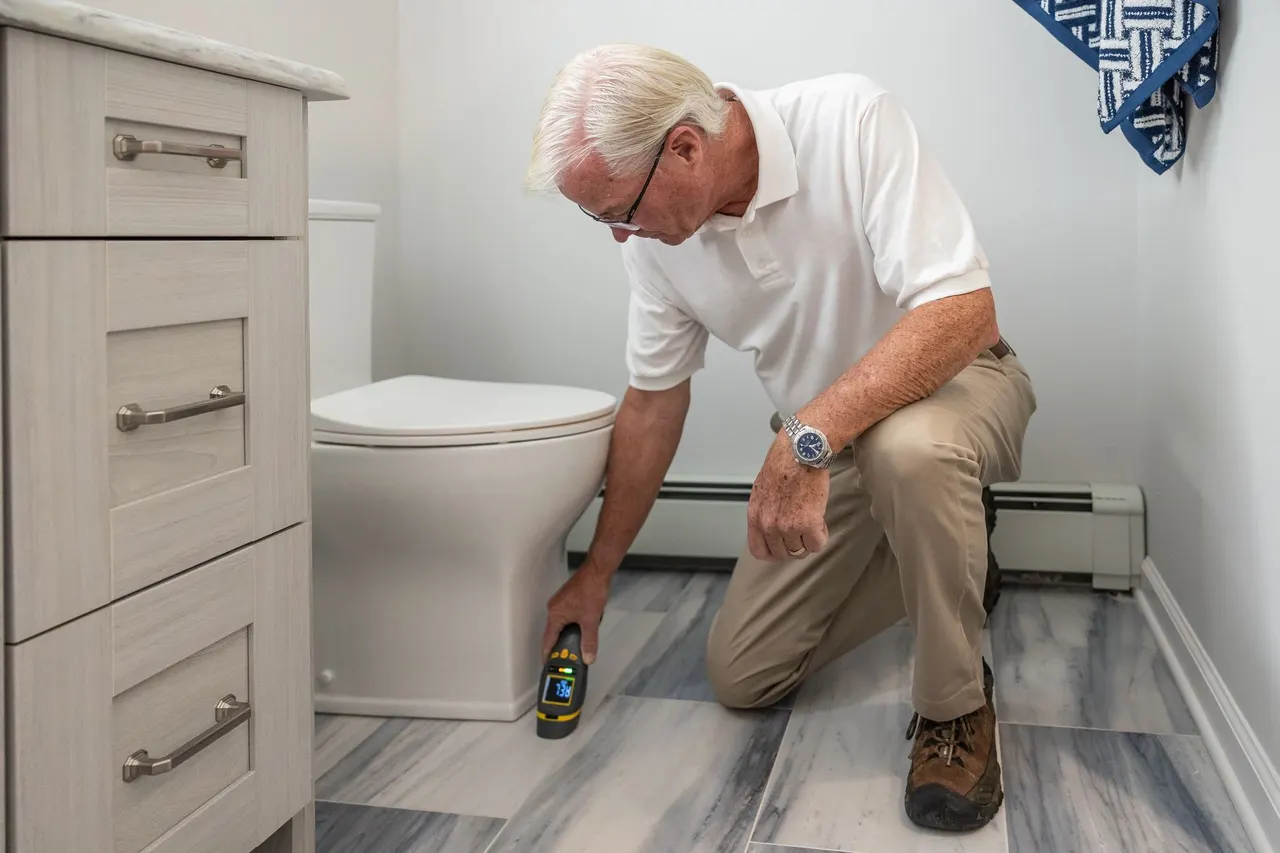
We use a moisture meter, thermal imaging camera, and hygrometer to map every wet area. A boroscope camera checks inside wall cavities. You get a clear picture of how far the water traveled before we start drying.
Water Extraction
Standing water comes out with a water extraction unit or wet/dry vacuum. We remove saturated insulation and any drywall that cannot be saved. Extraction typically takes one to two hours on a residential roof leak.
Structural Drying
Dri-Eaz air movers and dehumidifiers run continuously for three to five days. We check moisture readings daily and adjust equipment placement. Drying continues until materials reach IICRC S500 dry standard.
Mold Prevention Treatment
We apply an antimicrobial treatment to affected framing and surfaces after extraction. This reduces the chance of mold growth during the drying period. It is not a substitute for proper drying, but it adds a layer of protection.
Documentation and Reporting
You receive photos of the damage, daily moisture logs, and a written drying report. This documentation supports your insurance claim and gives you a record of the work performed. We can bill most major carriers directly.
Homes and businesses.
The approach is the same for a home and a business. What changes is the access, the schedule and who needs the paperwork.
For Homes
Roof leaks in Wilmington homes often start small and spread inside ceilings and walls. We find the water, dry the structure, and document everything for your claim.
Ceiling stains after storms
Ice dam leaks in winter
Hidden wall cavity moisture
For Businesses
A roof leak in a commercial building can disrupt tenants and damage inventory. We work around your schedule to extract, dry, and document the loss.
Flat roof drain backups
Tenant ceiling leaks
After-hours drying setup
What Roof Leak Water Damage Restoration in Wilmington Involves
A plain-language look at what Roof Leak Water Damage Restoration involves and when it is needed.
Roof Leak Water Damage Restoration in Wilmington is the process of stopping an active roof leak, extracting standing water, and drying the building materials it soaked. Water travels fast: it enters at the roof deck, runs down rafters, and pools in ceiling drywall before you ever see a stain. We use a moisture meter and thermal imaging camera to trace the full path, then a boroscope camera to inspect inside wall cavities. Extraction with a wet/dry vacuum or water extraction unit comes next, followed by Dri-Eaz air movers and dehumidifiers to pull moisture out of plywood, insulation, and framing.
Wilmington's housing stock makes this work urgent. The brick rowhomes in Trolley Square and Trinity Vicinity have flat or low-slope roofs that pond water after heavy rain. Older homes in The Highlands and Wawaset Park often have original wood sheathing that soaks up leaks like a sponge. We handle roof leak repair and cleanup Wilmington DE homeowners call about most: storm-driven leaks, failed flashing, and ice dam damage from last winter. If you search for roof leak water damage restoration near me Wilmington, we are already in your neighborhood.
Stopping the leak is step one. Drying the structure to standard is what prevents mold.
What it is
Stopping a roof leak, extracting water, and drying the building materials it soaked.
When you need it
Any time water enters through the roof and reaches ceilings, walls, or floors.
What to expect
Same-day stabilization, three to five days of drying, and a written moisture report.
Our Roof Leak Water Damage Restoration Process
Every job follows the same sequence: stop the water, find the extent, dry it out, verify it is dry, and hand it back. Here is what you can expect from the first call to the final walkthrough.
Emergency Call
You call (302) 775-0748 and describe what you see: a ceiling stain, dripping water, a bulge in the drywall. We ask when it started, whether the roof is still leaking, and whether power is affected. We schedule a crew and give you a realistic arrival window. Most Wilmington calls get a response within two to four hours.
Call
Describe
Schedule
Inspection and Mapping
We walk the interior first, checking ceilings, walls, and floors with a moisture meter and thermal imaging camera. A boroscope camera goes into wall cavities where we suspect hidden moisture. We photograph everything and mark wet zones. This takes 30 to 45 minutes on a typical home.
Walk
Meter
Photograph
Water Extraction
Standing water comes out first using a water extraction unit or wet/dry vacuum. If the ceiling is bulging, we make a controlled drain hole to release trapped water safely. We remove saturated insulation and any drywall that cannot be saved. This step usually runs one to two hours.
Extract
Remove
Drain
Structural Drying
We set Dri-Eaz air movers and dehumidifiers to dry the framing, subfloor, and remaining drywall. Equipment runs 24 hours a day for three to five days on most jobs. We check moisture readings daily with a hygrometer and adjust equipment placement as the structure dries.
Position
Run
Monitor
Final Verification
We do not pull equipment until moisture readings match dry standard for the material. You get a final walkthrough, a written drying log, and photos of the completed work. If any drywall or ceiling needs replacement, we note it so you can schedule the repair with confidence.
Verify
Walkthrough
Report
Tools and Methods We Use
Move across a circle, or focus it and press Enter, for an illustrative thermal view of the photograph.
Moisture Meter
Pin-type and pinless meters measure moisture content in drywall, plywood, and framing. We use them to map wet areas and to verify when materials reach dry standard.
Thermal Imaging Camera
Infrared imaging reveals temperature differences caused by evaporative cooling from wet materials. It helps us trace hidden water paths inside walls and ceilings without opening everything up.
Boroscope Camera
A boroscope goes into wall cavities and ceiling voids through small access holes. It lets us see moisture, mold, and damaged framing without major demolition.
Water Extraction Unit
Commercial extraction units pull standing water out of carpets, subfloors, and hard surfaces. We use them before setting air movers so drying starts from a drier baseline.
Dri-Eaz Air Movers
High-velocity air movers create evaporation at the surface of wet materials. We position them to direct airflow across ceilings, walls, and floors according to the drying plan.
Thermal views are illustrative, generated from the photographs.
Methods
Dehumidifier
Dehumidifiers remove moisture from the air so evaporation can continue. We size them to the cubic footage of the affected area and check filters and output daily.
Hygrometer
A hygrometer measures relative humidity and temperature. We use readings to calculate vapor pressure and confirm the drying chamber is performing as planned.
IICRC S500 Standard
The IICRC S500 standard defines the accepted practice for water damage restoration, including drying goals and documentation. We follow it on every job so our work holds up to insurance scrutiny and third-party review.
Moisture Mapping
We create a moisture map by taking readings at regular intervals across the affected area. The map shows wet zones, drying boundaries, and progress over time. It drives equipment placement and tells us when the job is done.
Controlled Drain Hole
When a ceiling is bulging with trapped water, we make a small controlled hole at the lowest point to release it safely. This prevents a sudden collapse and lets us capture the water in a bucket or extraction unit.
Antimicrobial Treatment
After extraction, we apply an antimicrobial product to affected framing and surfaces. It reduces the chance of mold growth during the drying period. We use EPA-registered products and follow label directions.
When Wilmington Homeowners Call Us
Storm ceiling leak
A nor'easter drives rain through failed flashing on a Trolley Square rowhome, and the ceiling stain grows overnight.
We tarp the roof, drain the ceiling, extract water from the floor, and set drying equipment. A moisture meter and thermal imaging camera confirm the full extent before we finish.
Outcome: The ceiling and framing are dry within four days. You get a written report for your insurance claim and a clear scope for the roof repair.
Ice dam backup
An ice dam forms on a Highlands home in January and water backs up under the shingles into the attic and ceiling.
We trace the water path with thermal imaging, stabilize the leak, and dry the attic insulation and ceiling joists. We document the ice dam location for your roofer.
Outcome: No mold growth, no ceiling collapse, and a documented record of the ice dam damage for your insurance adjuster.
Commercial roof leak
A property manager on the Riverfront discovers a roof leak soaking the ceiling above a tenant's inventory.
We respond after hours, extract the water, and set up drying equipment without disrupting other businesses. Daily moisture logs keep the property manager informed.
Outcome: The tenant's inventory is saved, the ceiling is dried to standard, and the property insurance claim is fully documented.
Hidden wall moisture
A homeowner in Trinity Vicinity notices a musty smell and a small ceiling stain that has been growing for weeks.
We inspect with a moisture meter and boroscope camera, find hidden wall cavity moisture, and dry the framing. We treat the area with an antimicrobial to prevent mold.
Outcome: The musty smell is gone, the wall cavity is dry, and the homeowner avoids a full mold remediation project.
Heavy rain office leak
A heavy rainstorm overwhelms the roof drainage on a Downtown Wilmington commercial building, sending water into a second-floor office.
We extract the water, remove saturated ceiling tiles and insulation, and set up commercial drying equipment. The work is scheduled around business hours.
Outcome: The office is dry within five days, the ceiling grid is ready for replacement, and the loss is documented for the commercial policy.
Trolley SquareThe HighlandsRiverfront
How Roof Leak Restoration Runs in Wilmington
Wilmington's climate drives roof leak calls in predictable waves. October and November bring nor'easters with wind-driven rain that finds every failed flashing detail. January and February bring freeze-thaw cycles that create ice dams on older roofs. Spring storms add heavy rain on top of already saturated ground. The city's housing stock makes each leak different.
Brick rowhomes in Trolley Square and Trinity Vicinity have flat or low-slope roofs that pond water. Older homes in The Highlands and Wawaset Park have original wood sheathing that soaks up leaks and holds moisture longer than modern OSB. Downtown Wilmington commercial buildings have flat roofs with drains that clog and back up. We adjust our drying plan to the construction. Plaster walls dry slower than drywall.
Original wood framing needs longer drying times than modern lumber. If you search for roof leak ceiling water damage cleanup Wilmington DE, you will find us working in these neighborhoods every week. We know which buildings have lead paint, which have knob-and-tube wiring, and which need extra care during demolition.
Trolley Square: Brick rowhomes with flat or low-slope roofs that pond water after heavy rain. Leaks often show up as ceiling stains far from the actual roof entry point.
The Highlands: Older homes with original wood sheathing and plaster walls. Water travels farther and materials dry slower, so we extend the drying timeline.
Riverfront: Commercial and mixed-use buildings with flat roofs and internal drains. A clogged drain during a storm sends water into ceilings and tenant spaces.
Trinity Vicinity: Historic rowhomes with limited roof access and shared walls. We coordinate with neighbors when tarping and keep equipment noise within reasonable hours.
Downtown Wilmington: Commercial buildings and older office spaces with flat roofs. We schedule work around business hours to minimize disruption to tenants.
Nor'easters with wind-driven rain: Wind pushes water through flashing, vents, and shingle gaps that stay dry in normal rain. We see a spike in roof leak calls after every nor'easter, often with multiple leaks in the same home.
IllustrativeThe thermal view is generated from the photograph. It is not a measurement. Drag the handle, or use the arrow keys once it is focused.
Trolley Square Ceiling Leak After Nor'easter
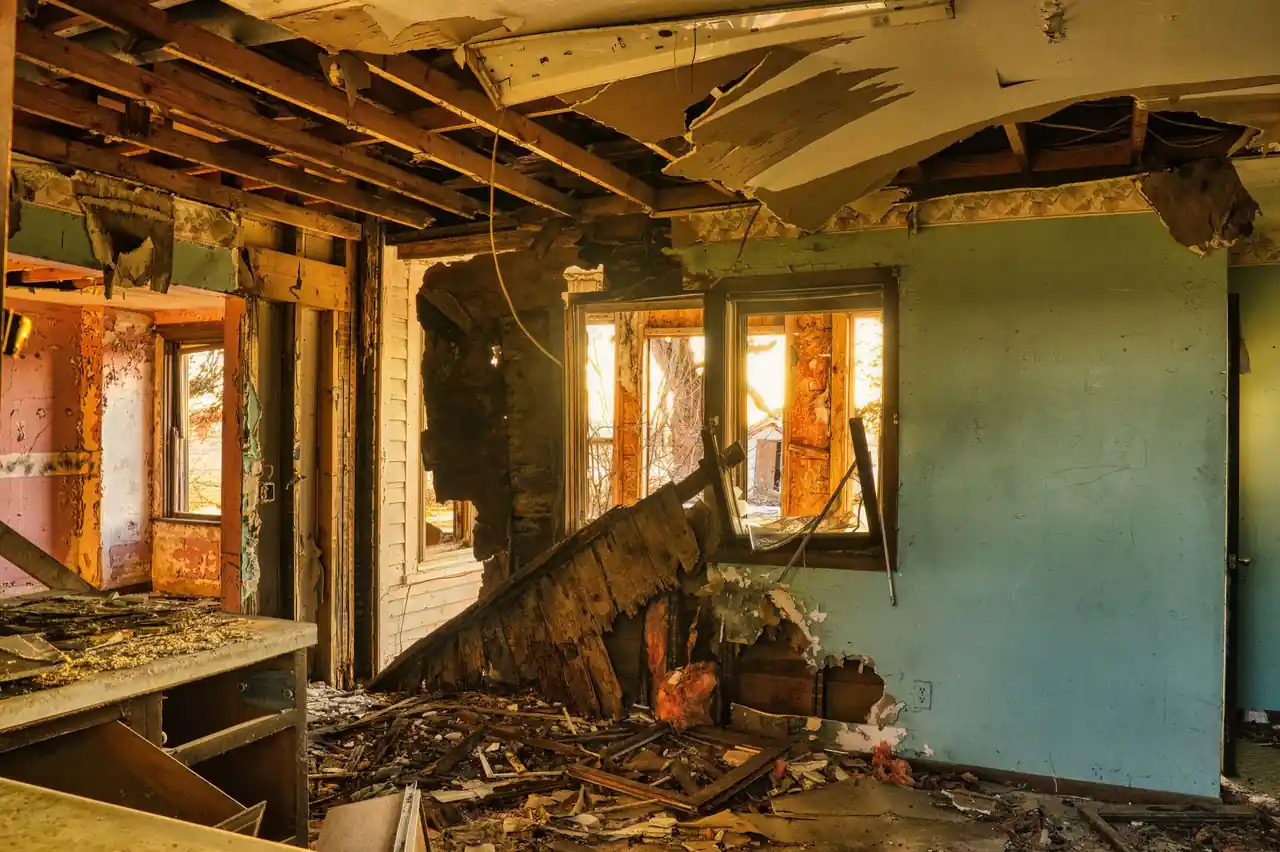
Before: A nor'easter drove rain through failed flashing on a Trolley Square rowhome. By morning, a ceiling stain had spread across eight feet of drywall, and the insulation above was saturated. The homeowner had a bucket under an active drip and was worried about mold.
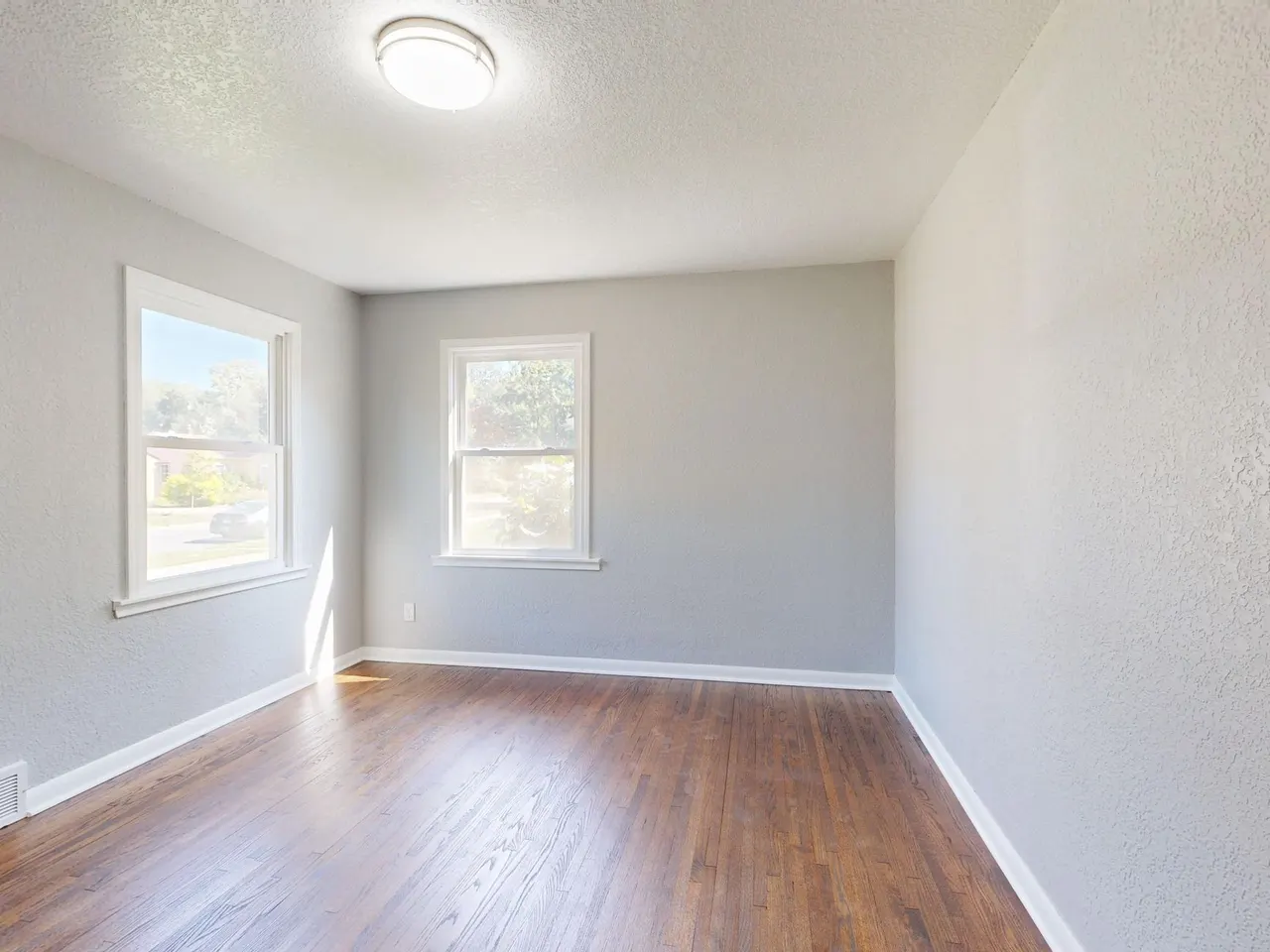
After: We tarped the roof, drained the ceiling with a controlled hole, and extracted water from the floor. Dri-Eaz air movers and a dehumidifier ran for four days. Final moisture readings showed the framing at dry standard. The ceiling was ready for drywall replacement.
Schedule a roofer to replace the failed flashing within 30 days. Check the ceiling monthly for new stains. Keep gutters clear before storm season to reduce water backup at the roof edge.
Highlands Ice Dam and Attic Saturation
Before: An ice dam formed on a Highlands home in January. Water backed up under the shingles and soaked the attic insulation and ceiling joists. The homeowner noticed a musty smell and a slow drip near a light fixture. The attic had no visible mold yet, but moisture readings were high.
After: We traced the water path with a thermal imaging camera, removed saturated insulation, and dried the joists and sheathing over five days. An antimicrobial treatment was applied to the framing. Final hygrometer readings confirmed the attic was dry and mold-free.
Add attic insulation and improve ventilation to reduce future ice dams. Check the roof edge after every freeze-thaw cycle. Keep the attic dry by fixing any air leaks from the living space.
Riverfront Commercial Roof Leak
Before: A heavy rainstorm clogged the roof drain on a Riverfront commercial building. Water backed up and leaked through the ceiling into a tenant's office, soaking ceiling tiles and carpet. The property manager needed the space dry without disrupting other businesses.
After: We worked after hours to extract water, remove saturated ceiling tiles and insulation, and set up commercial drying equipment. Daily moisture logs kept the property manager informed. The office was dry within five days and ready for ceiling grid replacement.
Schedule quarterly roof drain cleaning before storm season. Inspect ceiling tiles monthly for new stains. Keep a moisture log on file for future insurance claims.
Roof Leak Problems We Solve in Wilmington
Roof leaks show up in different ways depending on the roof type, the age of the home, and the weather. Here are the most common problems we solve for Wilmington homeowners and property managers.
Ceiling stainCeiling stain spreading after a stormWater is pooling above the drywall and will eventually collapse the ceiling if not drained. Insulation underneath is already saturated and losing R-value. We locate the leak entry point, tarp the roof, and make a controlled drain hole in the ceiling. Then we extract the water, remove wet insulation, and set Dri-Eaz air movers to dry the framing above. Most ceilings are dry within four days.
Ice dam leakIce dam water backing up under shinglesFreeze-thaw cycles in Wilmington push water under shingles and into the roof deck. The leak often appears far from the actual entry point, making it hard to trace. We use a thermal imaging camera to trace the water path from the ceiling back to the roof deck. After stabilizing the leak, we dry the sheathing and rafters. We also document the ice dam location so your roofer can address the cause.
Flat roof seepageFlat roof ponding and slow seepageTrolley Square and Trinity Vicinity rowhomes have low-slope roofs that pond water. Slow seepage rots the roof deck and saturates ceiling joists over months. We inspect with a moisture meter and boroscope camera to find the full extent of saturation. After extraction, we dry the joists and decking to standard. If the roof membrane has failed, we document it for your roofing contractor.
Wall cavity moistureHidden wall cavity moisture after a leakWater runs down inside walls where you cannot see it. Drywall looks fine on the surface while the framing behind it stays wet and grows mold. A boroscope camera and thermal imaging camera reveal moisture inside the wall cavity. We make small access holes, dry the framing with directed air movers, and verify with a hygrometer before closing up. This prevents mold growth inside the wall.
Mold on drywallMold growth on wet drywall and plywoodMold can start growing within 24 to 48 hours of a roof leak. Once established, it affects air quality and requires remediation beyond simple drying. If mold is present, we contain the area and remove affected materials. We treat the remaining framing with an antimicrobial and dry to standard. For larger growth, we coordinate mold remediation as part of the same project.
Why Wilmington Homeowners Call Us First
A dry structure, documented for insurance, without mold growth.
Leak Stopped Same Day
We tarp and stabilize the roof the same day you call, then begin interior drying immediately. That stops the water from spreading into more ceiling drywall, insulation, and wood flooring. Most emergency calls in Wilmington get a crew on site within two to four hours.
Full Moisture Mapping
We do not guess where the water went. A moisture meter, hygrometer, and thermal imaging camera show us exactly which materials are wet and how far the moisture has traveled. That map drives the drying plan and gives your insurance adjuster documented proof of the damage.
Mold Prevention Built In
Mold can start growing on wet drywall and plywood within 24 to 48 hours. We dry structural materials to IICRC S500 standard, which means reaching acceptable moisture content before we pull equipment. That is the difference between a repair and a mold remediation job later.
Insurance Documentation
We photograph affected areas, log moisture readings daily, and provide a written drying report. Most homeowner policies in Delaware cover sudden roof leak damage. Our documentation gives your adjuster the numbers they need to process the claim without delays.
What a written scope covers.
What a written scope covers and what shapes it. Prices are set by the business after the first look.
A nor'easter pushed water through my flat roof and I had a stain spreading across the ceiling by morning. Wilmington AquaRestore had a crew here in about three hours. They tarped the roof, drained the ceiling, and set up air movers and a dehumidifier. Five days later everything was dry and they gave me a written report for my insurance. No mold, no drama.
My 1920s house has original wood sheathing and the roof leak soaked right into it. The technician used a thermal imaging camera to show me exactly where the water had traveled. They pulled out wet insulation, dried the framing, and checked it every day with a moisture meter. I appreciated that they explained each step instead of just tearing things apart.
A roof leak in one of my commercial units was threatening the tenant's inventory. Wilmington AquaRestore responded after hours, extracted the water, and set up drying equipment without disrupting the other businesses. They documented everything for the property insurance claim and kept me updated daily. I have used them twice since.
Frequently Asked Questions About Roof Leak Water Damage Restoration
A leak that soaks insulation, subfloor, and multiple rooms pushes higher. We provide a written scope before work begins so you know the cost.
First, move furniture and electronics away from the leak and put a bucket under the drip. Do not climb on a wet roof. If the ceiling is bulging, poke a small hole in the center to drain water safely rather than letting it collapse. Then call us at (302) 775-0748. We tarp the roof, stop the interior water, and start drying the same day.
Extraction and setup take two to four hours. Structural drying runs three to five days on most Wilmington homes, with equipment running continuously. We check moisture daily and pull gear only when readings hit dry standard. Total project time from first call to final verification is typically four to seven days, depending on how much material was saturated.
Most homeowner policies in Delaware cover sudden and accidental roof leak damage, including water extraction, structural drying, and ceiling repair. Wear-and-tear leaks that developed slowly may be excluded. We document everything with photos, moisture logs, and a written drying report so your adjuster has what they need. We can bill most major carriers directly.
Call Now for Roof Leak Water Damage Restoration in Wilmington
Every hour a roof leak stays active, more drywall, insulation, and framing gets soaked. We respond in two to four hours on most Wilmington emergency calls. Call (302) 775-0748 and we will stop the water and start drying today.