For Homes
We dry houses, rowhomes, and apartments across Wilmington. You get a walk-through, a written scope, and daily updates until the space is dry.
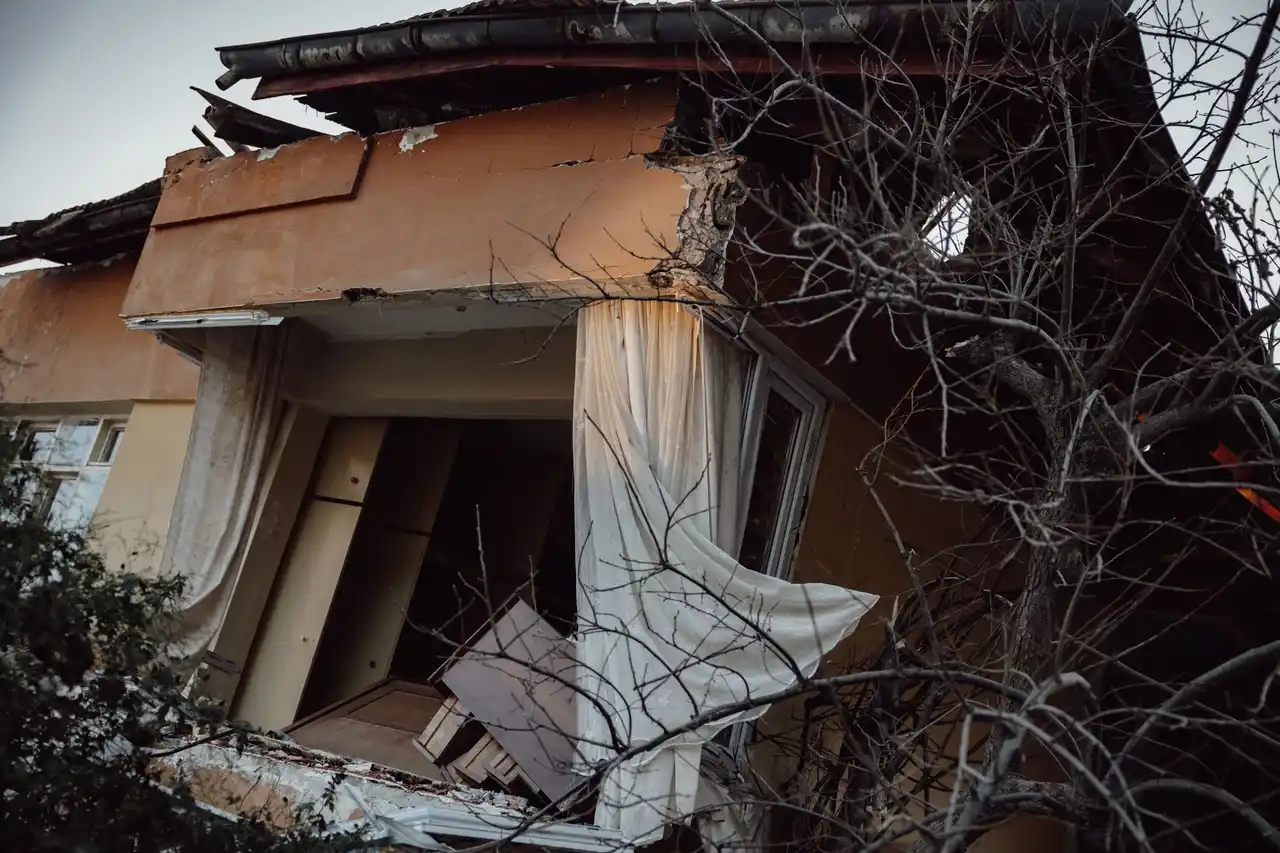
- Burst pipe under a sink
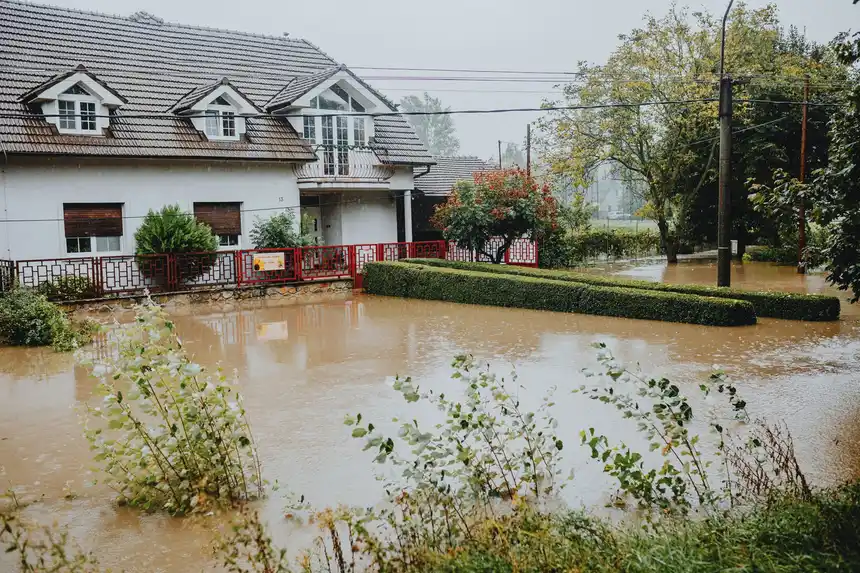
- Flooded basement after rain
- Water heater leak in a closet
When a burst pipe, sump pump failure, or storm flood soaks your home, every hour counts. We handle flooded basements, sewage backups, and groundwater intrusion across New Castle County. One call gets a crew to your door with the tools to dry your property and document everything your insurance needs.
 Check moistureExtract waterDocument readings
Every flood damage restoration job starts with a full inspection and a written scope. The inclusions below cover the core work. Additional repairs, mold remediation, or reconstruction are added to the scope only when the inspection shows they are needed, and you see them before work begins.
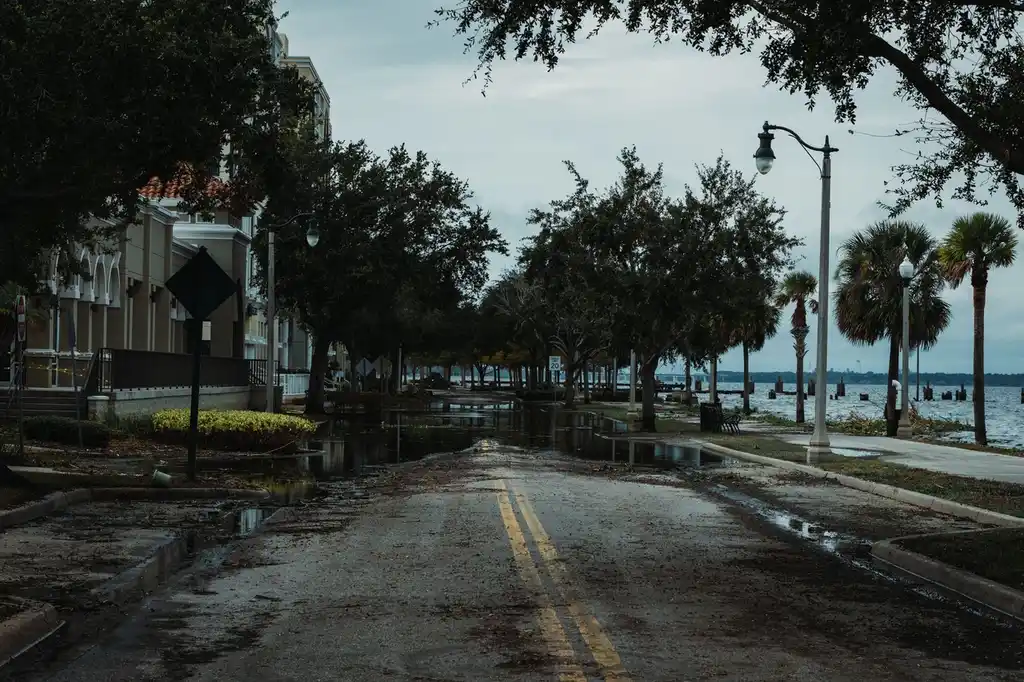
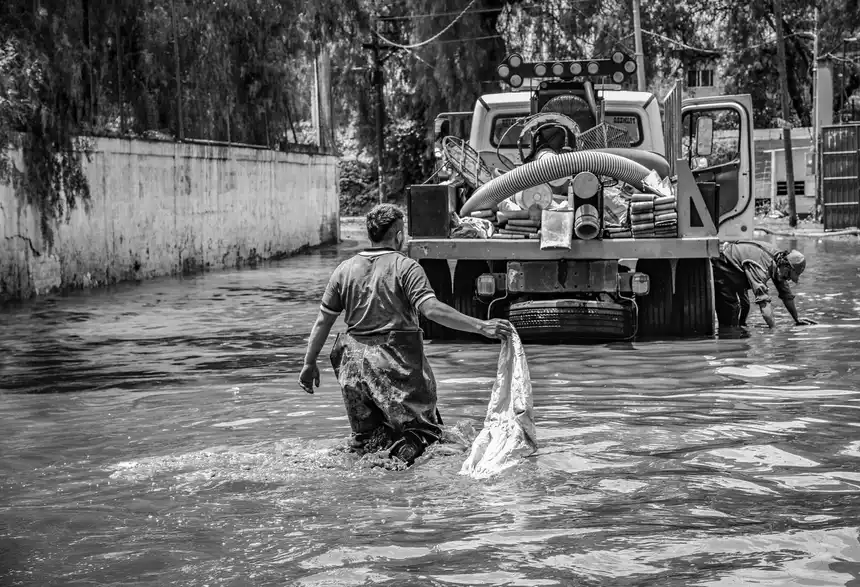
We remove standing water with truck-mounted extraction units and wet/dry vacuums. Extraction starts the same visit, which limits how far water wicks into walls, floors, and framing.
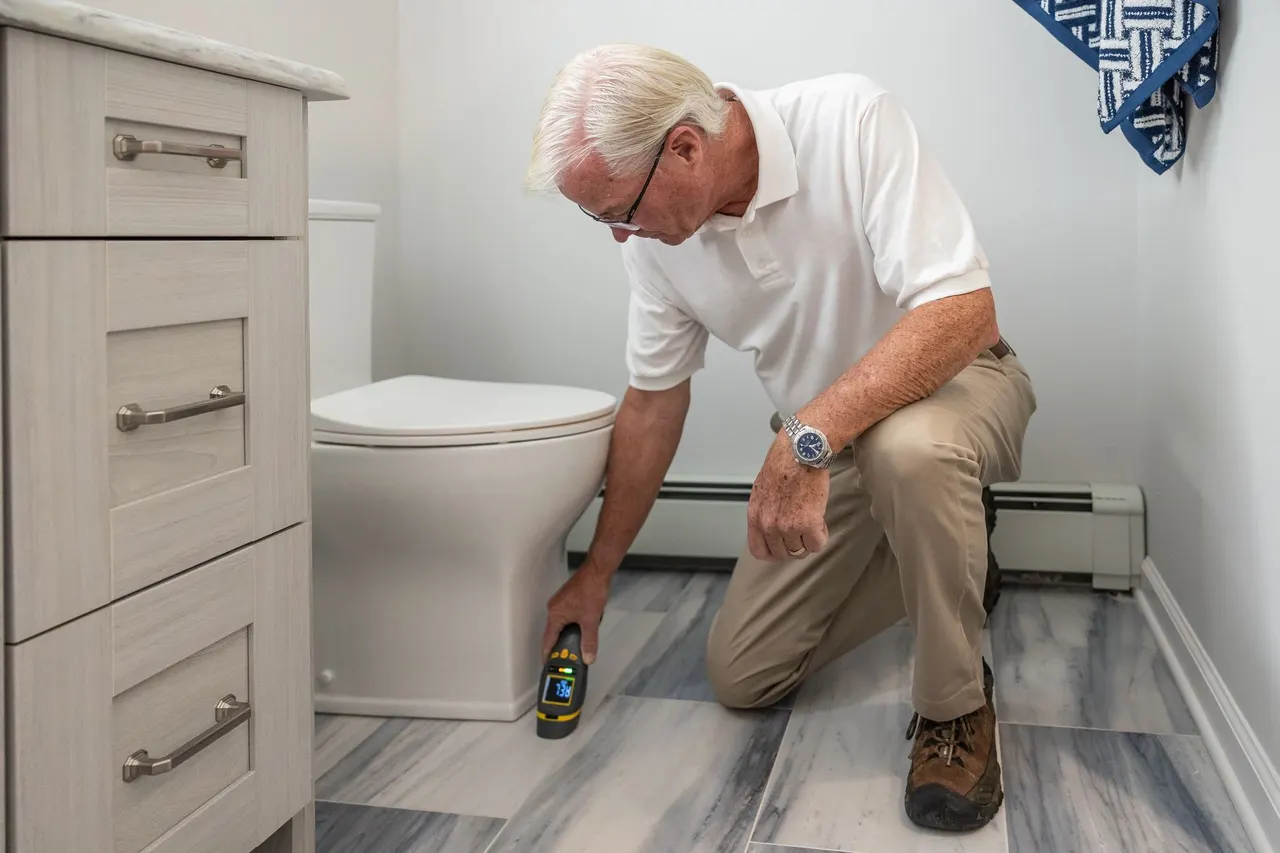
A moisture meter, thermal imaging camera, and hygrometer map every wet zone. You get readings before and after drying so the scope is based on data, not a visual guess.
Air movers and dehumidifiers are placed according to the moisture map. We check readings daily and reposition equipment as materials release water, typically over three to five days.
Affected surfaces get antimicrobial treatment after extraction. This step is standard on sewage backup and groundwater intrusion jobs where contamination raises the mold risk.
Saturated drywall, carpet, and insulation that cannot be dried are removed and disposed of. We cut clean lines so reconstruction is straightforward and the repair looks finished.
Photo logs, moisture readings, and equipment records are compiled for your adjuster. We bill most major carriers directly and answer their questions about the scope.
The approach is the same for a home and a business. What changes is the access, the schedule and who needs the paperwork.
We dry houses, rowhomes, and apartments across Wilmington. You get a walk-through, a written scope, and daily updates until the space is dry.
We work after hours to keep offices, retail, and restaurants open. Property managers get documentation formatted for insurers and a clear repair timeline.
A plain-language look at what Flood Damage Restoration involves and when it is needed.
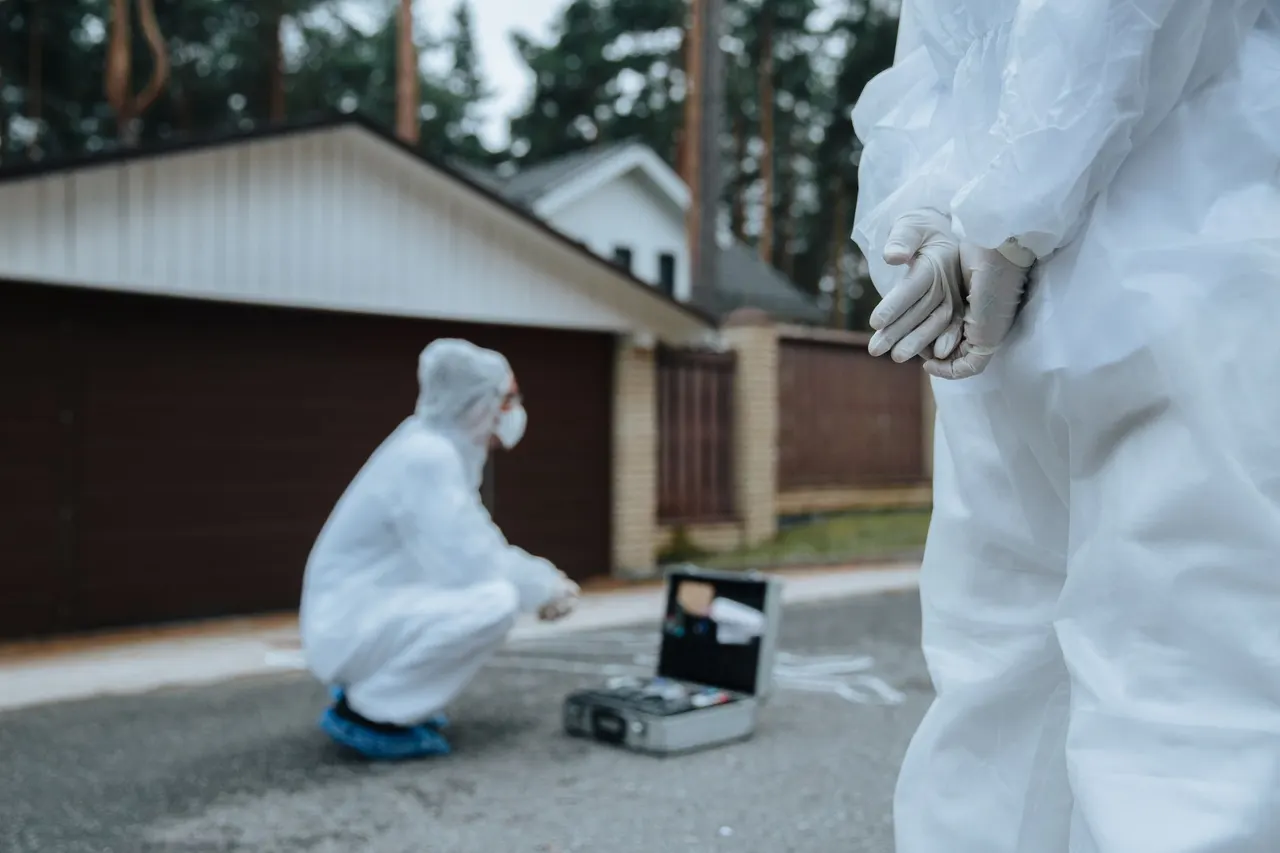
See how it worksFlood Damage Restoration Wilmington DE is the process of removing standing water, drying structural materials, and returning a flooded property to a safe, pre-loss condition. It starts with an inspection using a moisture meter, thermal imaging camera, and hygrometer to map exactly where water traveled. From there, we extract standing water with truck-mounted water extraction units, set air movers and dehumidifiers, and monitor moisture daily until your drywall, wood flooring, and framing hit safe readings. If sewage backup or groundwater intrusion is involved, we add antimicrobial treatment and, when needed, controlled demolition of unsalvageable materials.
Wilmington properties face water damage from burst pipes, frozen pipe splits, plumbing leaks, water heater leaks, and heavy rain flooding that overwhelms sump pumps in older basements. The city's mix of rowhomes, historic buildings, and riverfront commercial space means water often travels through shared walls and masonry that hides moisture for weeks. That is why flood cleanup and restoration Wilmington DE needs to start with detection, not just a shop vac. We use a boroscope camera to check inside walls and a wet/dry vacuum for tight spaces, then document every reading so your insurance claim moves faster.
Water damage is a measurement problem before it is a repair problem.
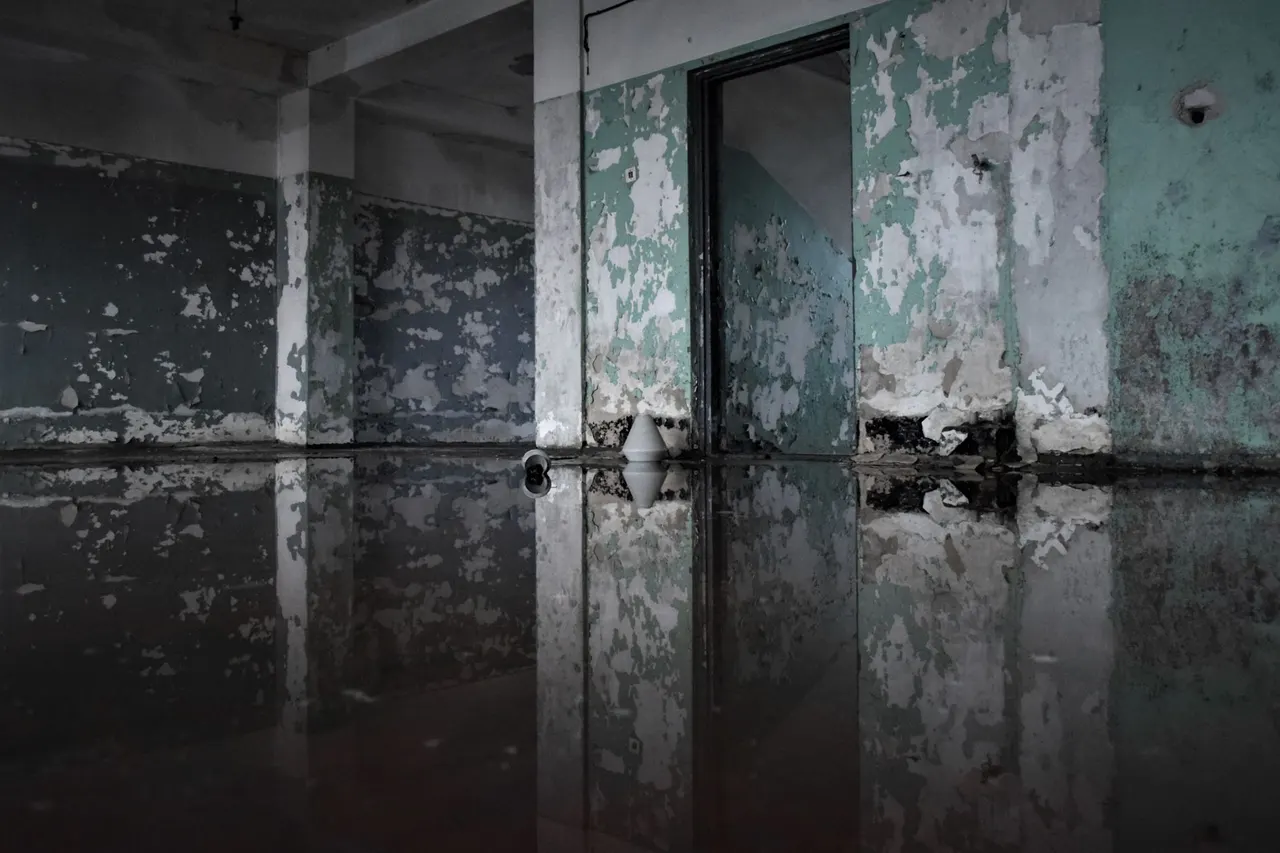
Five clear steps take your property from flooded to finished. You will know what is happening, who is doing it, and how long each phase takes.
You call (302) 775-0748 and describe what happened. We ask about the water source, how long it has been sitting, and whether sewage is involved. You get an arrival window and a list of what to do while you wait, like shutting off the water main and killing power to affected rooms.
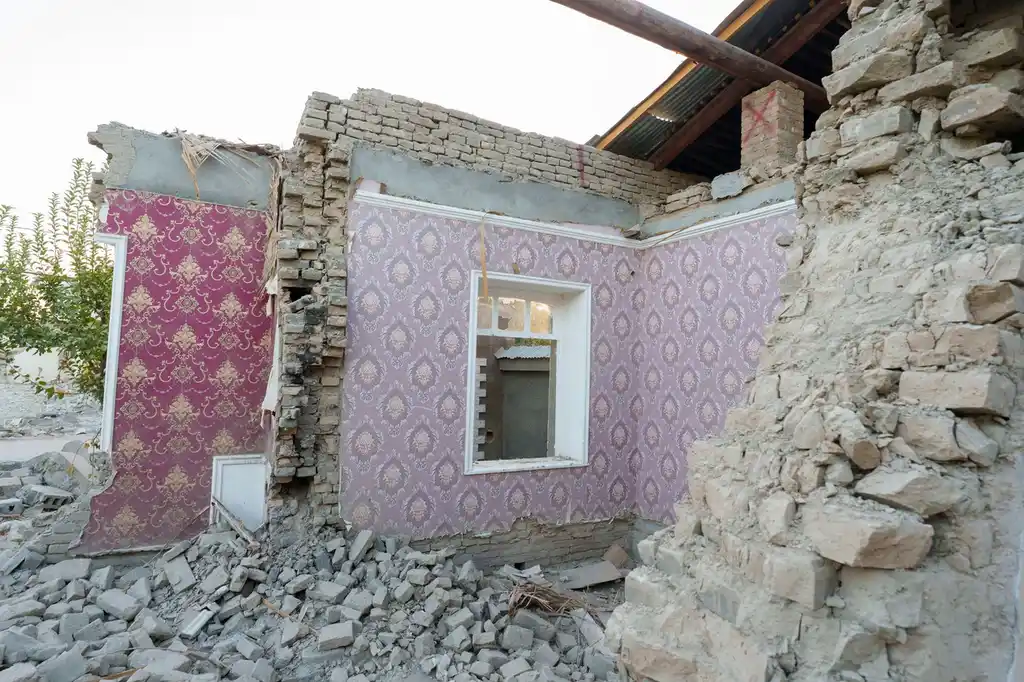
We walk the property with a moisture meter, thermal imaging camera, and infrared thermometer. Readings go on a map showing wet zones in walls, ceilings, and floors. A boroscope camera checks inside cavities. This takes 30 to 45 minutes and tells us exactly where to focus drying equipment.
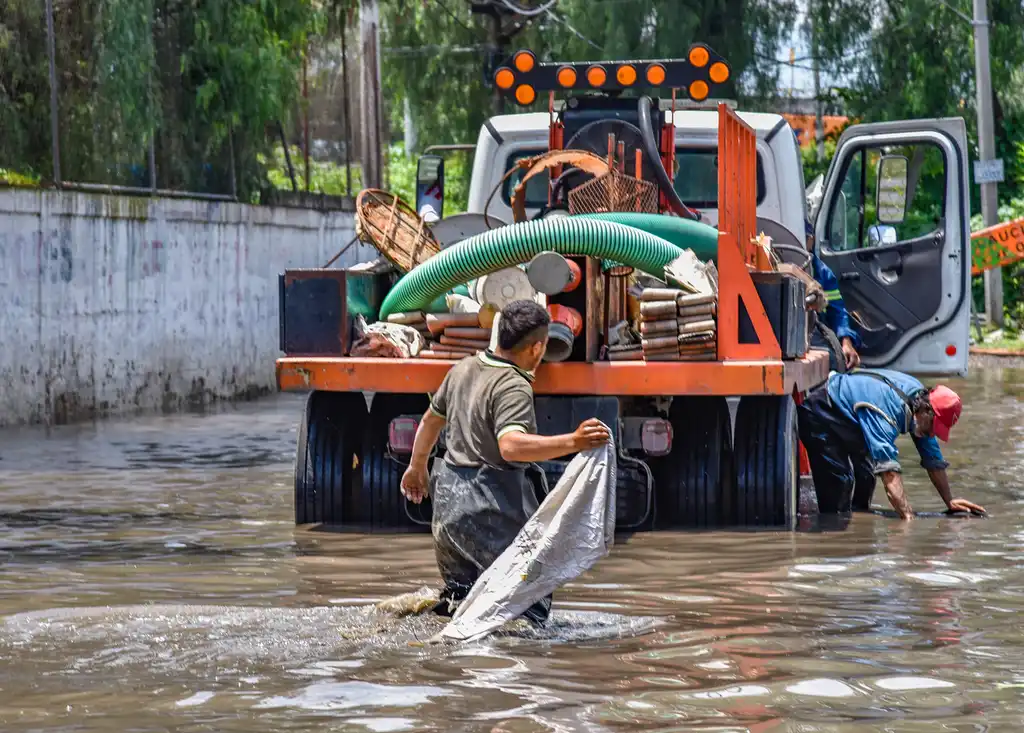
Truck-mounted water extraction units pull standing water fast, followed by wet/dry vacuums for tight corners and carpet. Sewage backup gets treated as contaminated and handled with full PPE.
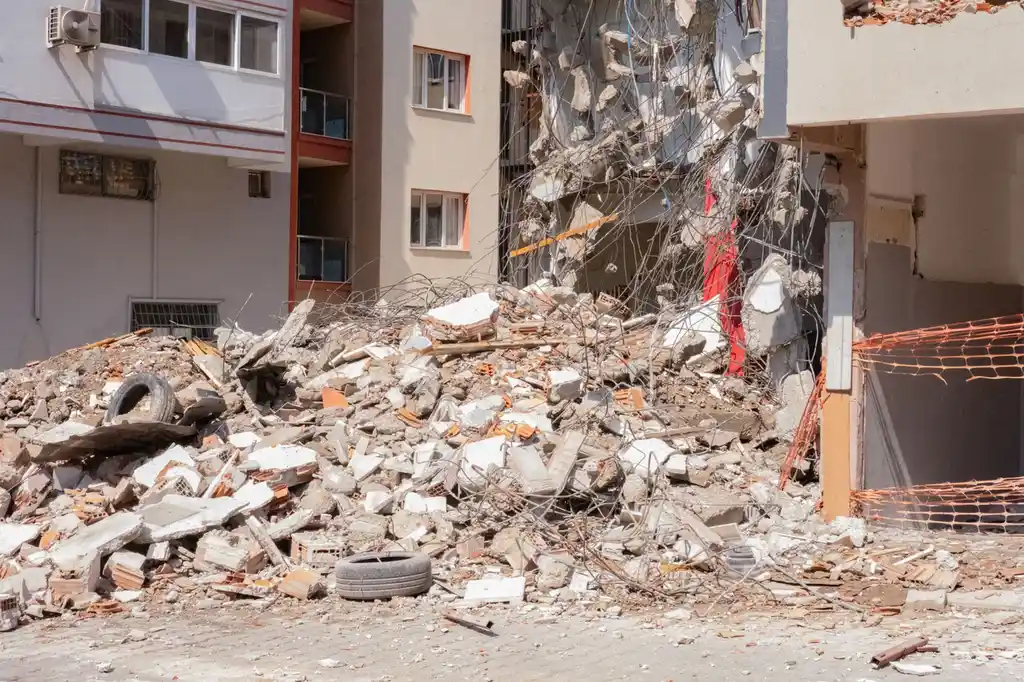
We place air movers and dehumidifiers based on the moisture map, then check readings daily with a hygrometer. Drying typically runs three to five days for a standard room. We adjust equipment placement as materials release moisture, and we do not remove gear until readings match dry standards.
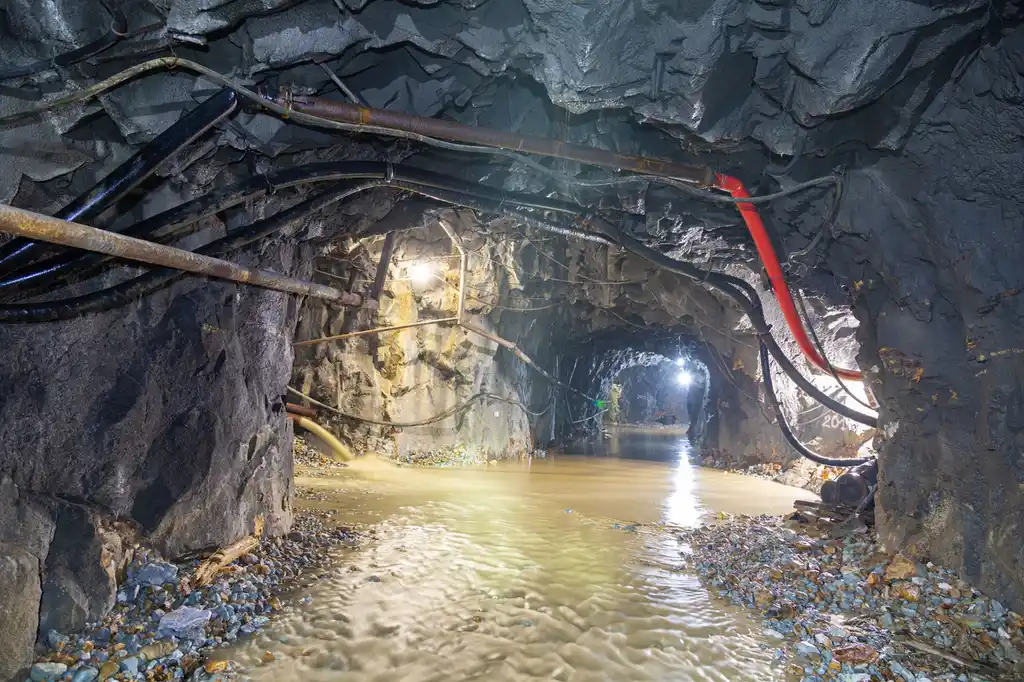
Once dry, we repair what the water damaged: drywall, trim, wood flooring, tile, and paint. You get a final walk-through with moisture readings and a photo report. If mold growth was found, we complete remediation before closing up walls so the repair is not hiding a problem.
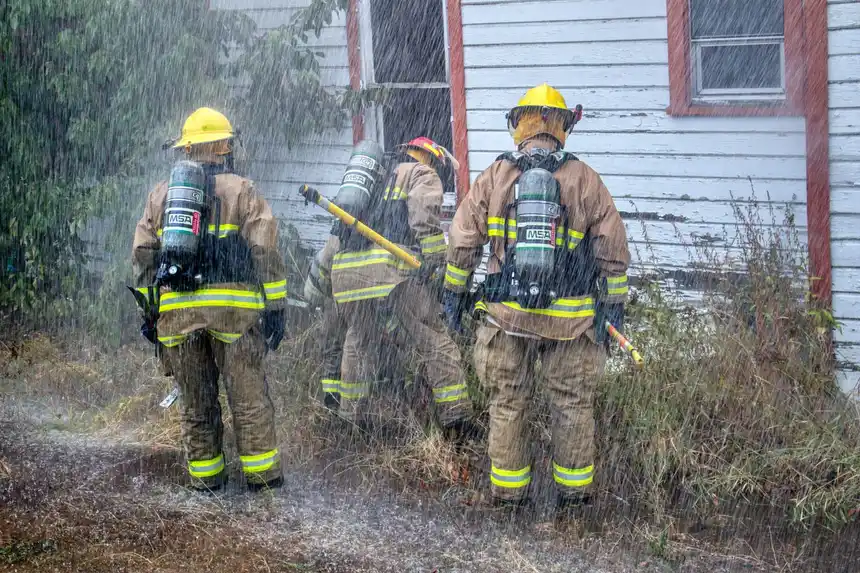
Move across a circle, or focus it and press Enter, for an illustrative thermal view of the photograph.
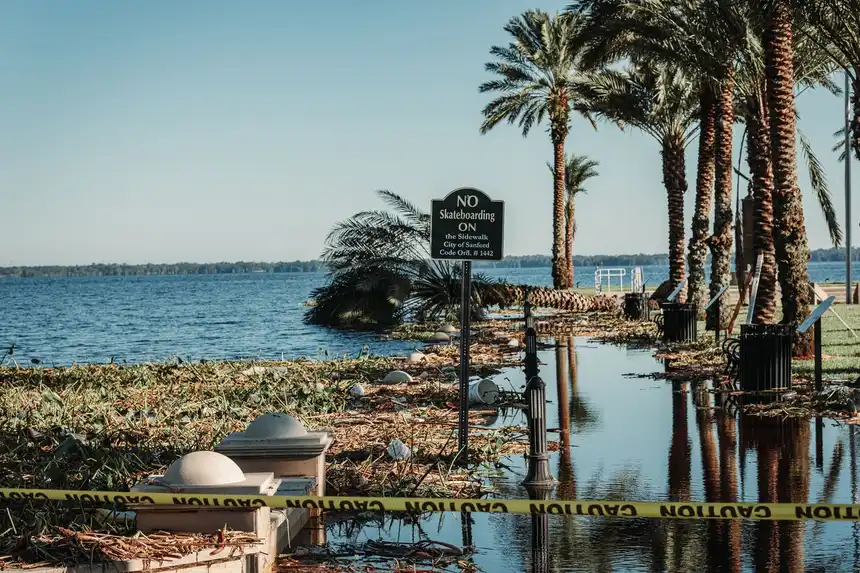
Reads moisture content in drywall, wood, and concrete so we know exactly where water traveled and when materials are dry.
Shows temperature differences behind walls and under floors, revealing hidden water that a visual inspection would miss.
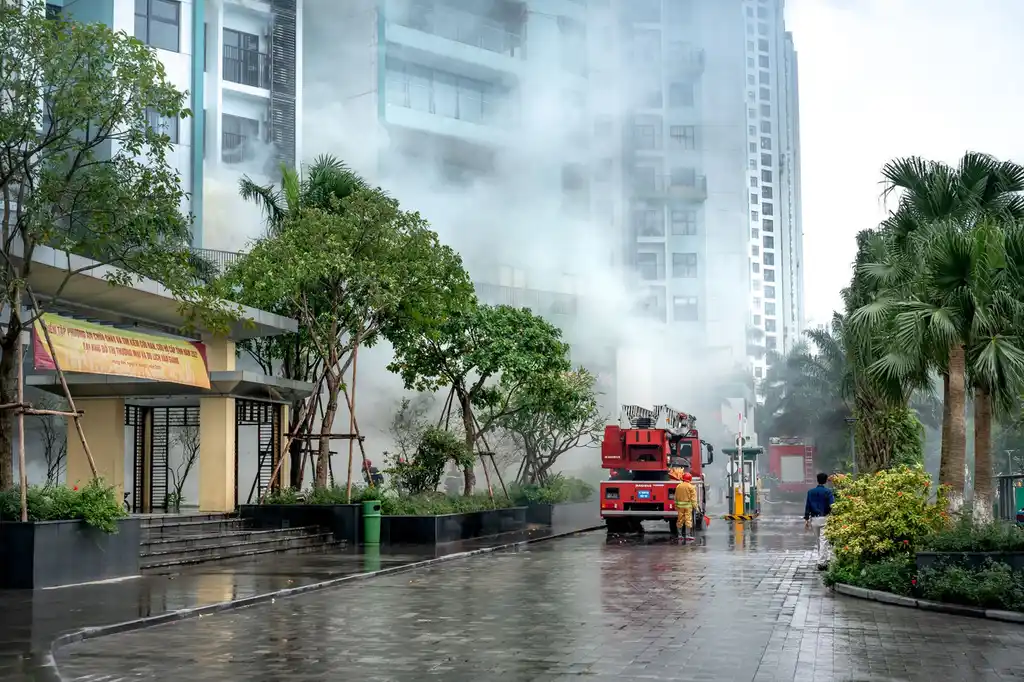
Move high-volume air across wet surfaces to speed evaporation from drywall, framing, and flooring.
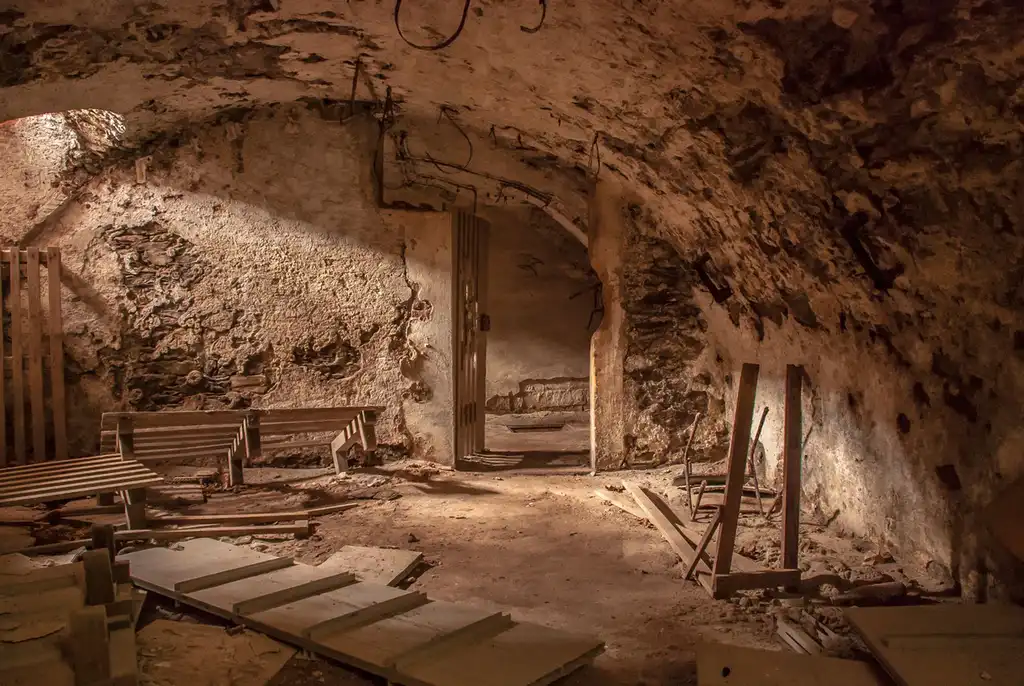
Pull moisture out of the air so it does not re-settle into materials. We run them continuously until readings hit dry standards.
Slides inside wall cavities and cabinets to confirm moisture and find the source of a hidden leak.
Thermal views are illustrative, generated from the photographs.
Removes water from tight spaces, carpet edges, and areas a truck-mounted unit cannot reach.
Measures relative humidity so we can confirm the drying chamber is balanced and materials are releasing moisture.
We follow IICRC WRT drying principles for water losses, which means documented readings, proper equipment placement, and daily monitoring. This standard is what insurers expect to see in a claim file.
Sewage backup and groundwater intrusion are treated as contaminated losses. We use PPE, remove porous materials, apply antimicrobial, and dry to safe readings before reconstruction.
A hygrometer and moisture meter are used every day to track drying progress. Equipment is adjusted or removed based on readings, not a fixed schedule, so drying is efficient.
Photo logs, moisture maps, and equipment records are compiled into a file your adjuster can use. This keeps the claim moving and reduces back-and-forth about the scope.
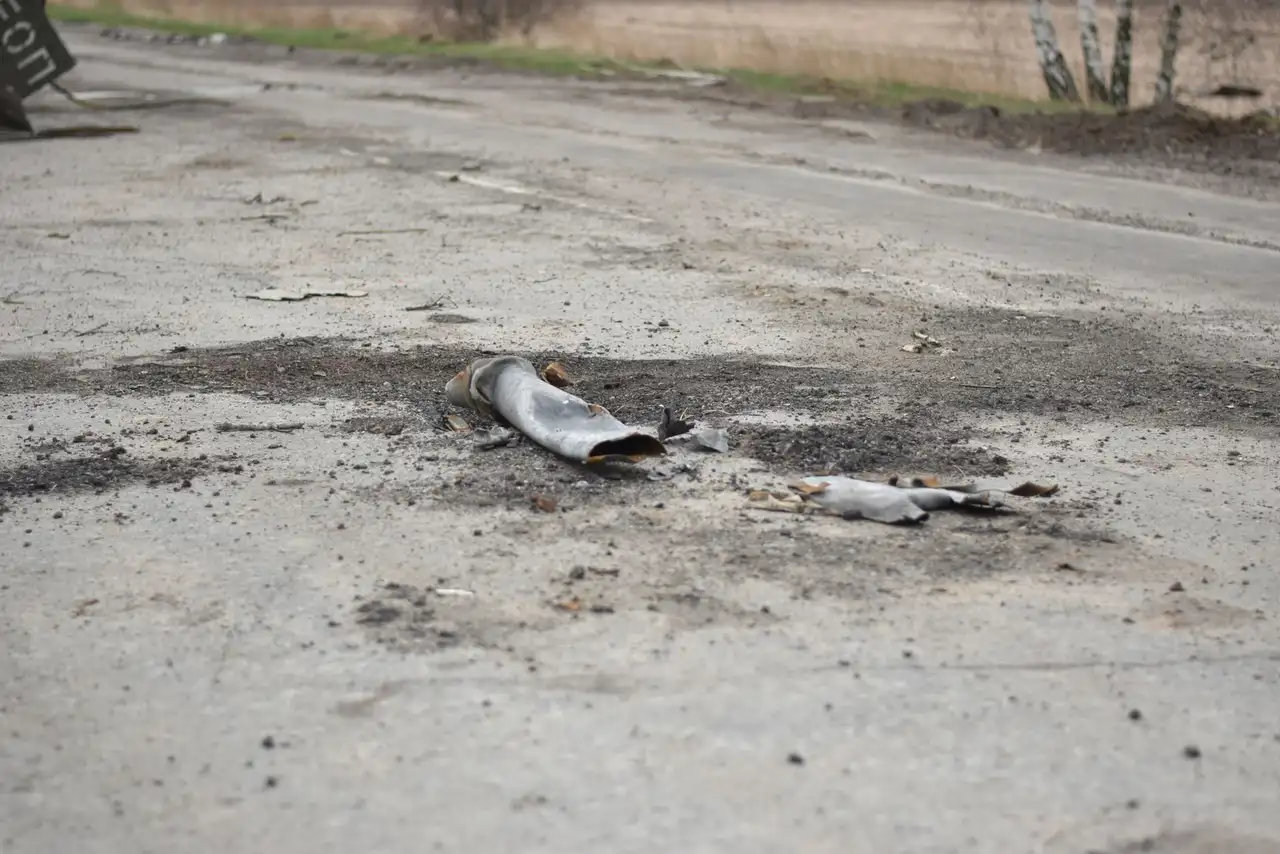
A pipe bursts at 2 a.m. and water is pouring into a kitchen in Trolley Square.
Extraction starts the same visit, followed by drying equipment placement.
Outcome: Standing water is gone within hours, and the kitchen dries in three to four days instead of becoming a mold job.
Heavy rain overwhelms a sump pump and floods a finished basement in The Highlands.
We extract the water, remove saturated carpet and drywall, and dry the masonry and framing. A moisture meter confirms the walls are dry before we close anything up.
Outcome: The basement is dry in five days, and the replacement sump pump is sized correctly for the water table.
A water heater leaks overnight in a Riverfront commercial unit and soaks two offices.
We work after hours to avoid tenant disruption, extract water, and set drying equipment. Documentation is prepared for the property manager and insurer.
Outcome: The offices are dry and repaired in four days, and the tenant never lost a full business day.
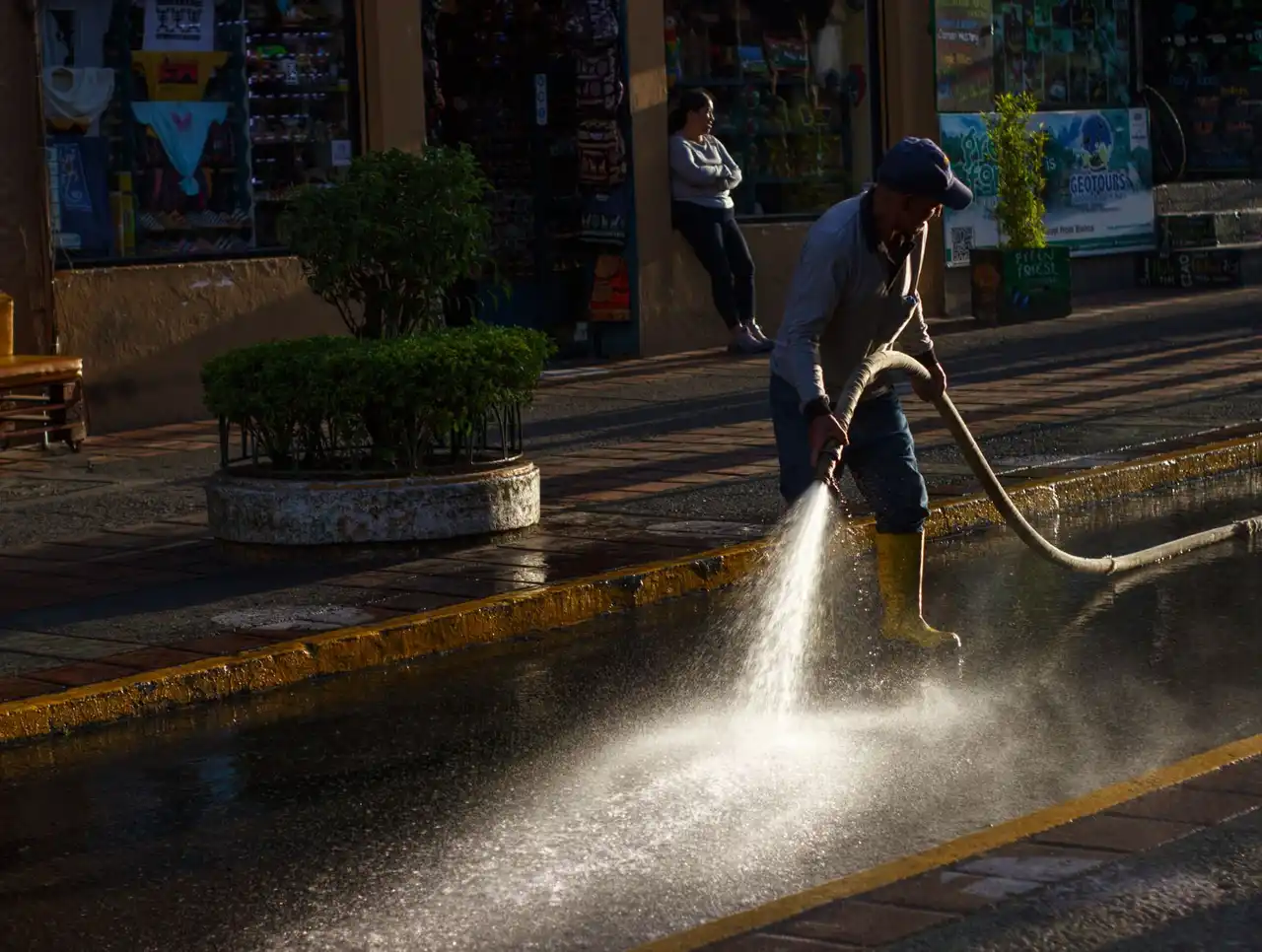
A slow plumbing leak stains a ceiling in a rowhome near Bayard Square.
We trace the leak with a boroscope camera, open the ceiling, dry the cavity, and repair the drywall and paint.
Outcome: The leak is fixed, the ceiling looks original, and the hidden moisture that would have caused mold is gone.
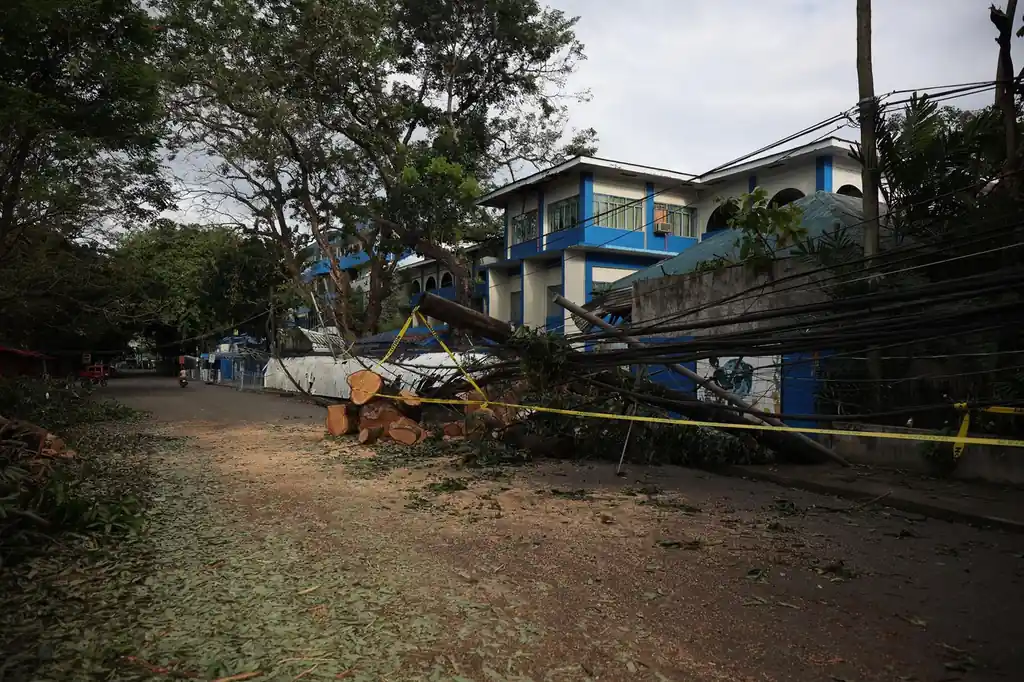
A sewage backup fills a basement bathroom in Southbridge with contaminated water.
We treat it as a contaminated loss, remove affected materials, apply antimicrobial, and dry the space to safe readings.
Outcome: The space is safe and dry in seven days, and reconstruction restores the bathroom to pre-loss condition.
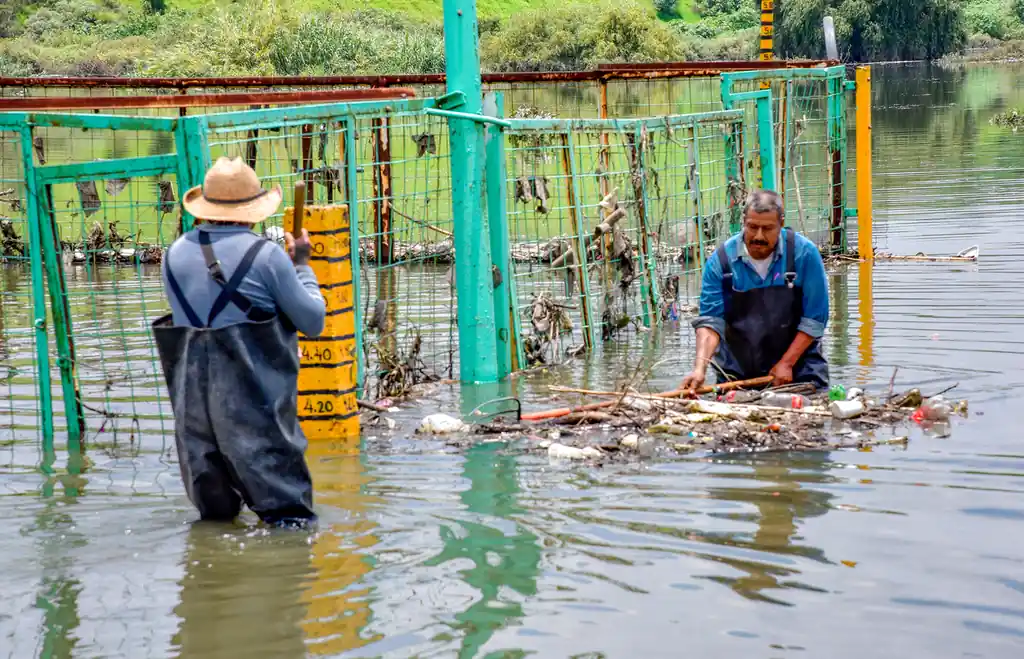
Wilmington sits between the Brandywine and Christina rivers, and the city's older housing stock shows it. Rowhomes in Trolley Square and The Highlands share masonry walls that wick water sideways, so a leak in one unit can show up as a stain next door. Basements in these buildings often rely on sump pumps that fail during heavy rain, and groundwater intrusion is common after a wet fall.
We also see frozen pipe splits during cold snaps, especially in unheated additions and along exterior walls. Because the city has a mix of historic structures and newer riverfront commercial space, we adjust drying plans to the materials in front of us. A plaster wall in a 1920s rowhome dries differently than drywall in a Riverfront office.
If you need affordable flood cleanup Wilmington DE after a storm, we work with your adjuster to keep the scope realistic and the repair permanent.
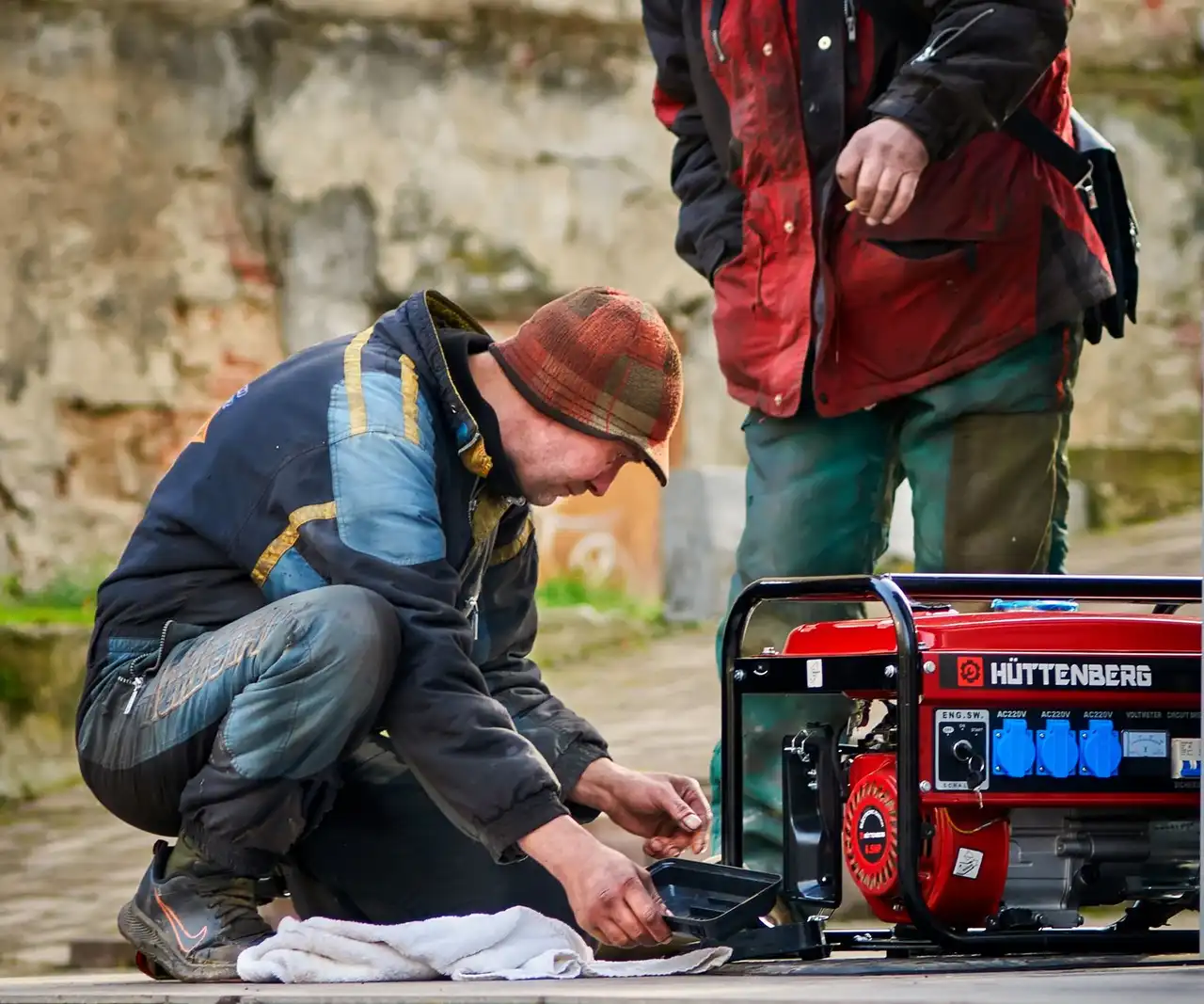
Before: A supply line split above the kitchen overnight and released water across the floor, into the base cabinets, and through the ceiling below. The homeowner found standing water at 6 a.m. and called us.
After: We extracted 40 gallons, removed saturated base cabinets, and dried the ceiling cavity over four days. Moisture readings dropped from 28% to 11% before we repaired drywall and paint.
We recommended pipe insulation on the exterior wall line and a shutoff valve upgrade. The homeowner now drains the line before hard freezes.
Before: Heavy rain overwhelmed a failing sump pump and flooded a finished basement with two inches of water. Carpet, drywall, and stored boxes were saturated, and the space smelled musty within a day.
After: We extracted the water, removed carpet and lower drywall, treated the masonry, and dried the space in five days. The replacement pump was sized to the water table, and the basement was rebuilt with moisture-resistant materials.
We set a quarterly sump pump test and recommended a battery backup. The homeowner checks the pit after every major storm.
Before: A sewer line backup pushed contaminated water into a basement bathroom and adjacent hallway. The tile, drywall, and vanity were affected, and the space was unsafe to use.
After: We treated the loss as contaminated, removed affected materials, applied antimicrobial, and dried to safe readings in seven days. Reconstruction restored the bathroom with new drywall, tile, and fixtures.
We recommended a backwater valve on the sewer line and annual drain cleaning to reduce the chance of another backup.
Most Wilmington water losses start small and hide. These are the problems we see most often, and what happens when they are ignored.
A dry structure, documented readings, and a repair that lasts.
We answer the phone at 2 a.m. when a frozen pipe splits and water is pouring into your kitchen. A crew is dispatched with extraction equipment, and we start pulling water the moment we arrive. Most Wilmington calls get an on-site response within 60 to 90 minutes.
Every job includes moisture readings, thermal images, and photo logs formatted for adjusters. We document affected materials, square footage, and equipment placement so your flooded home restoration Wilmington claim is backed by evidence, not guesswork. We bill most major carriers directly.
Mold can colonize wet drywall in 24 to 48 hours. We set dehumidifiers and air movers on day one, treat affected surfaces with antimicrobial, and verify dryness with a moisture meter before we remove equipment. That process stops mold growth instead of chasing it later.
We do not just dry and leave. Our team handles flood damage repair Wilmington Delaware including drywall, trim, flooring, and paint. You get one crew from extraction through final repair, which means fewer contractors, fewer delays, and a finished room instead of a job site.
What a written scope covers and what shapes it. Prices are set by the business after the first look.
Included
Depends on
Clear records you can keep and share.
Daily readings before and after drying
Images of affected areas and equipment
Written list of work and materials
Readings and repair sign-off
The water source decides how we handle materials, safety, and what can be saved.
From supply lines and rain
From appliances and tubs
From sewage and ground
A list like this tells people straight away whether you cover their street. Not listed? Call and ask: it only takes a minute.
Based in Wilmington and covering the places around it. Pick one for local details.
Cost depends on water category, square footage, and how many materials need removal. Sewage backup and basement flooding cost more because of contamination handling. We provide a written scope before work starts, and we bill most major insurance carriers directly.
Shut off the water source if you can reach it safely, kill power to affected rooms at the breaker, and call us at (302) 775-0748. Do not run a household vacuum over standing water, and do not walk through sewage backup. Move valuables and electronics off wet floors, and take photos before anything is moved. We handle extraction, drying, and documentation from there.
Most homeowners policies cover sudden water damage from burst pipes, appliance leaks, and water heater failures, but standard policies exclude rising groundwater and storm surge. Flood insurance through NFIP handles those events separately. We document the loss with moisture readings and photos, then work with your adjuster so the covered scope is clear from the start.
A standard room takes three to five days to dry, then one to three days for repairs. A flooded basement restoration Wilmington DE job with contaminated water can run seven to ten days before repairs begin. We check moisture daily and give you a realistic timeline after the inspection, not a guess over the phone.
Other services from the same team.
Water spreads fast, and mold follows within 48 hours. Call (302) 775-0748 now and we will dispatch a crew with extraction and drying equipment.
Call (302) 775-0748 any time, day or night. If you prefer email, send photos and details to [email protected] and we will follow up with next steps.