For homes and rentals
We dry basements, kitchens, and bathrooms after leaks and backups. You get daily readings and a plan you can follow.
- Burst pipe in a wall
- Sump pump failure
- Water heater leak
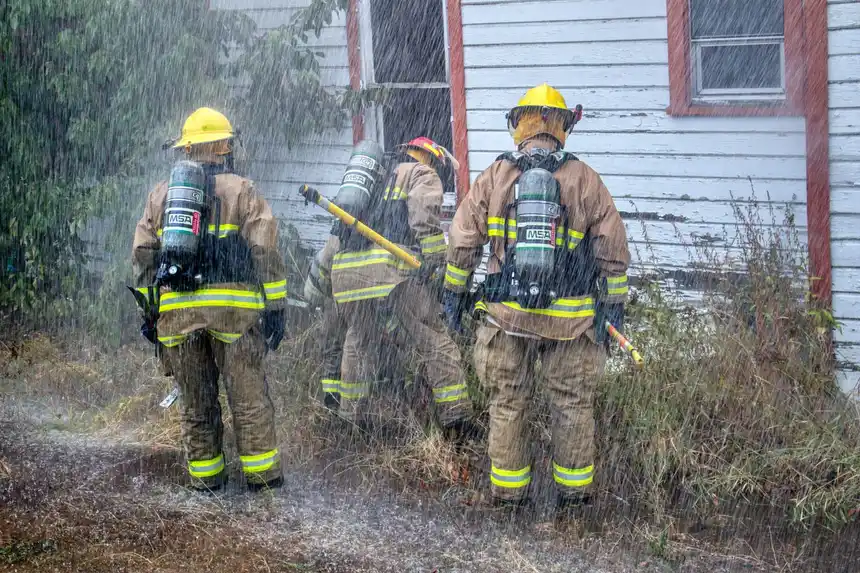
Structural Drying Wilmington DE is the step that saves your walls, floors, and framing after a leak, burst pipe, or storm. We handle residential and commercial drying across New Castle County, from Trolley Square rowhouses to Riverfront offices. Our technicians take moisture readings, set air movers and dehumidifiers, and log the numbers daily so you know the structure is drying, not just the surface. Call (302) 775-0748 and we will tell you what your building needs.
 Moisture readingsAir movers setDaily drying log
Every structural drying job includes the inspection, the equipment, the daily monitoring, and the final documentation. Here is what you get when we set up on your property.
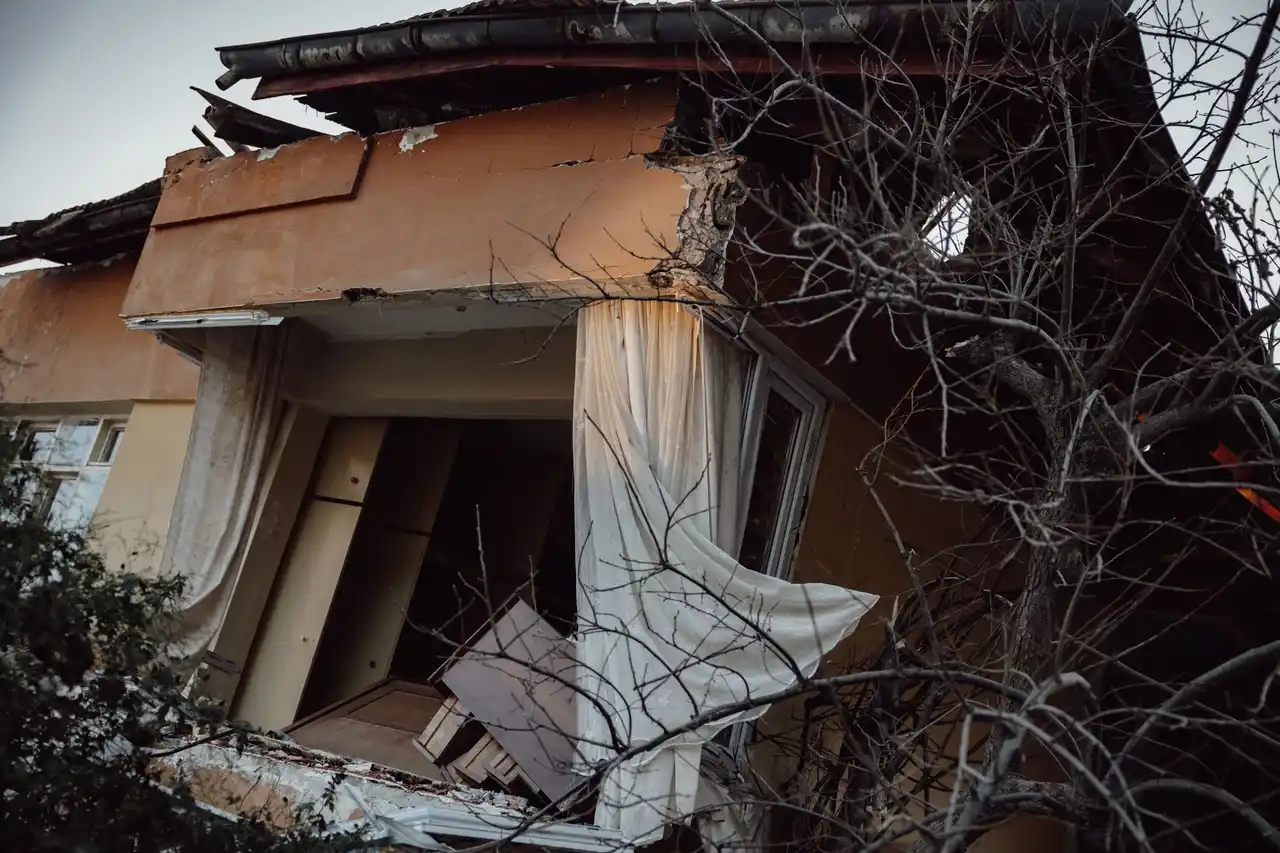
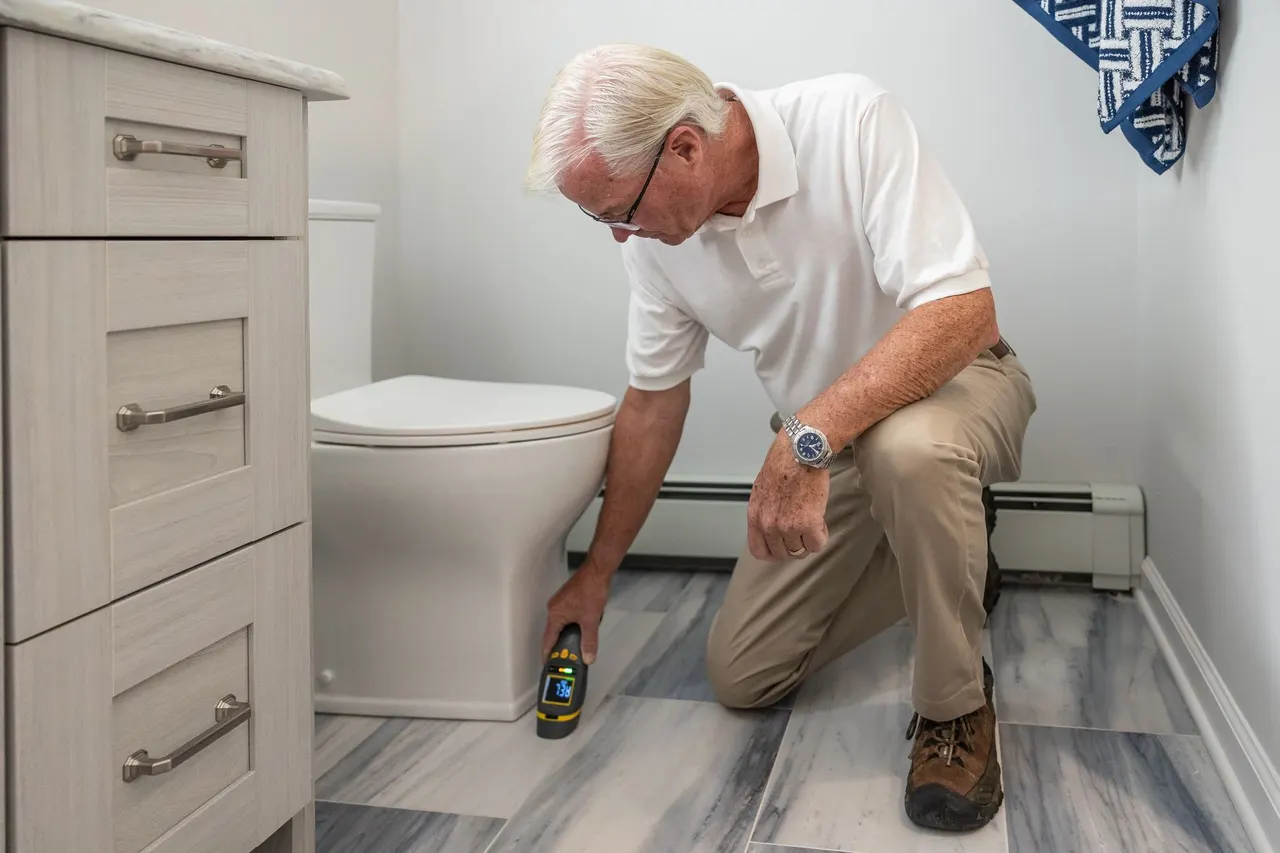
We use a moisture meter, thermal imaging camera, and boroscope camera to find every wet area, including inside wall cavities and under floors. You get a clear picture of how far the water traveled before we set any equipment.
We place air movers along walls and floors and position dehumidifiers to pull moisture from the air. Equipment is sized to the room, not guessed. Dri-Eaz and Phoenix Restoration Equipment units are our standard for larger jobs.
A technician returns each day to log readings with a moisture meter and hygrometer. If a material is not drying, we adjust the setup. You get the numbers in plain language, not just a promise that it is drying.
You receive a record of day-one moisture levels, daily readings, and final dry-standard numbers, plus photos of the affected areas. This documentation is formatted to work with insurance adjusters and property managers.
Before we pull equipment, we confirm the structure hit dry standard and walk the space with you. If any material could not be saved, we tell you then so your repair crew knows exactly what to replace.
The approach is the same for a home and a business. What changes is the access, the schedule and who needs the paperwork.
We dry basements, kitchens, and bathrooms after leaks and backups. You get daily readings and a plan you can follow.
We dry offices, restaurants, and retail floors with equipment sized to the space. Work is scheduled around your hours.
A plain-language look at what Structural Drying involves and when it is needed.
See how it worksStructural Drying Wilmington DE is the controlled process of removing moisture from the materials that hold your building together: drywall, plywood, wood flooring, tile, grout, and the framing behind the walls. We do not just point fans at a wet floor. We take moisture meter readings, check wall cavities with a boroscope camera, and set a drying system sized to the room. Air movers keep air moving across wet surfaces while dehumidifiers pull that moisture out of the air. A hygrometer tells us when the air is dry enough to keep pulling water from the materials.
Most Wilmington calls start the same way: a burst pipe, a water heater leak, or a sump pump failure that left standing water in a basement. Heavy rain and groundwater intrusion push water through foundation walls in Southbridge and Browntown, and older rowhouses in Trinity Vicinity hold moisture in plaster and masonry longer than modern builds. If you are searching for structural drying near me Wilmington, the goal is the same: get the structure dry before mold growth starts, usually within 24 to 48 hours.
Drying the structure, not just the surface, is what prevents mold and saves materials.
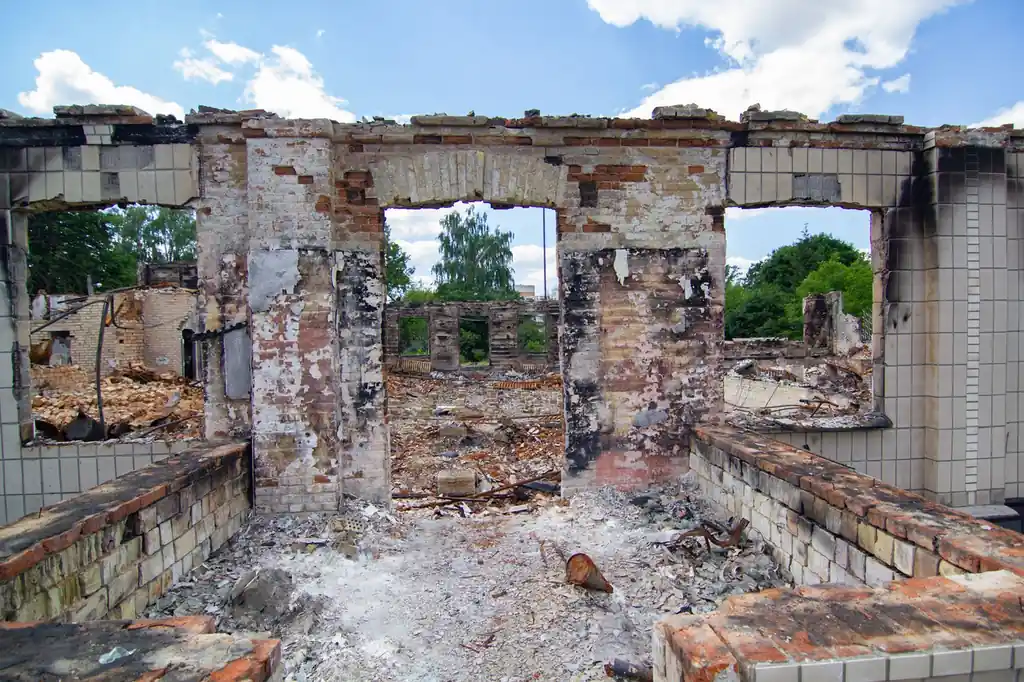
Every job follows the same five steps, whether it is a toilet overflow in Forty Acres or a commercial structural drying Wilmington DE job on the Riverfront. Here is what you can expect.
We walk the space with a moisture meter, thermal imaging camera, and infrared thermometer to find where the water went. A boroscope camera checks inside wall cavities. You get a plain explanation of what is wet, how far it spread, and what we plan to dry. This usually takes 30 to 60 minutes.
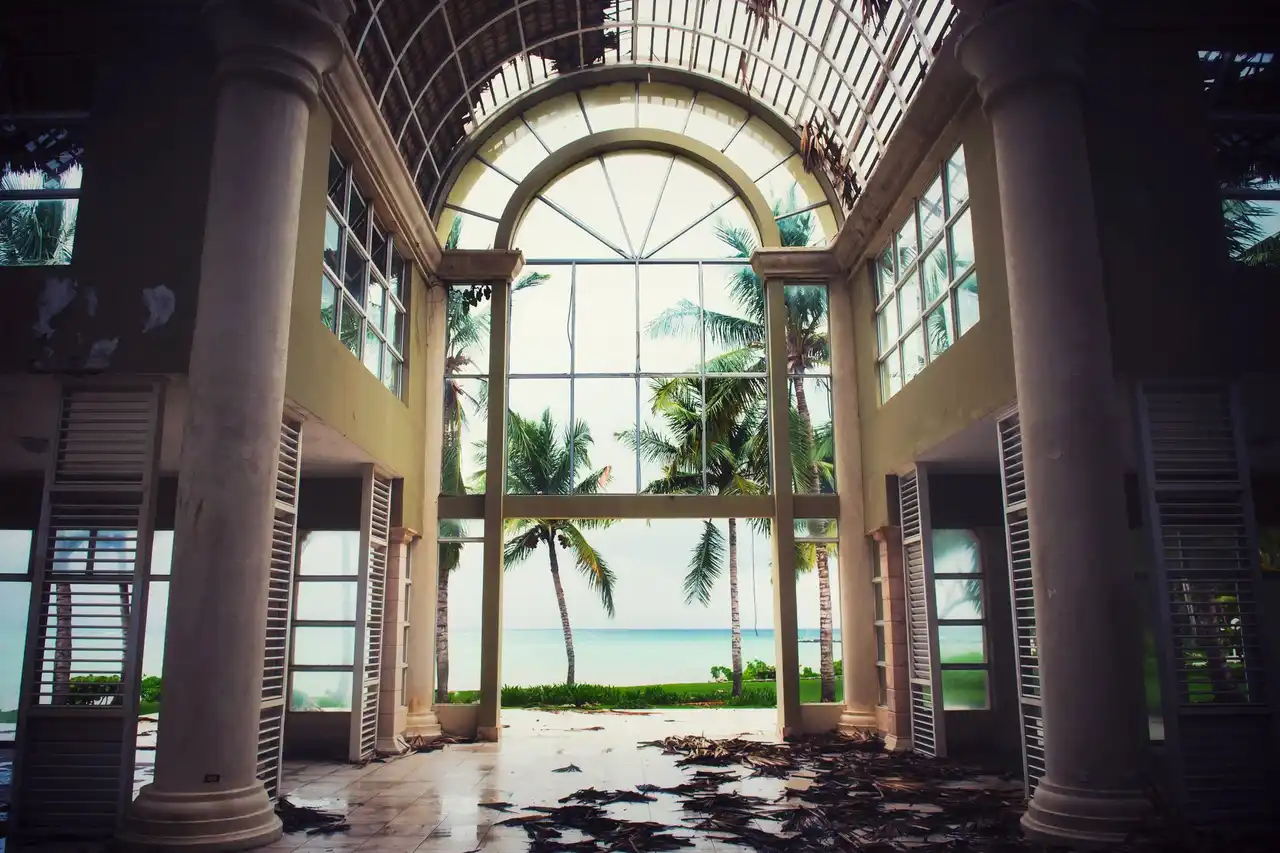
If water is still standing, we pull it with a water extraction unit and wet/dry vacuum before any drying starts. A sump pump handles deeper basement water. You will see the floor go from puddled to damp. Extraction typically takes one to three hours depending on volume.
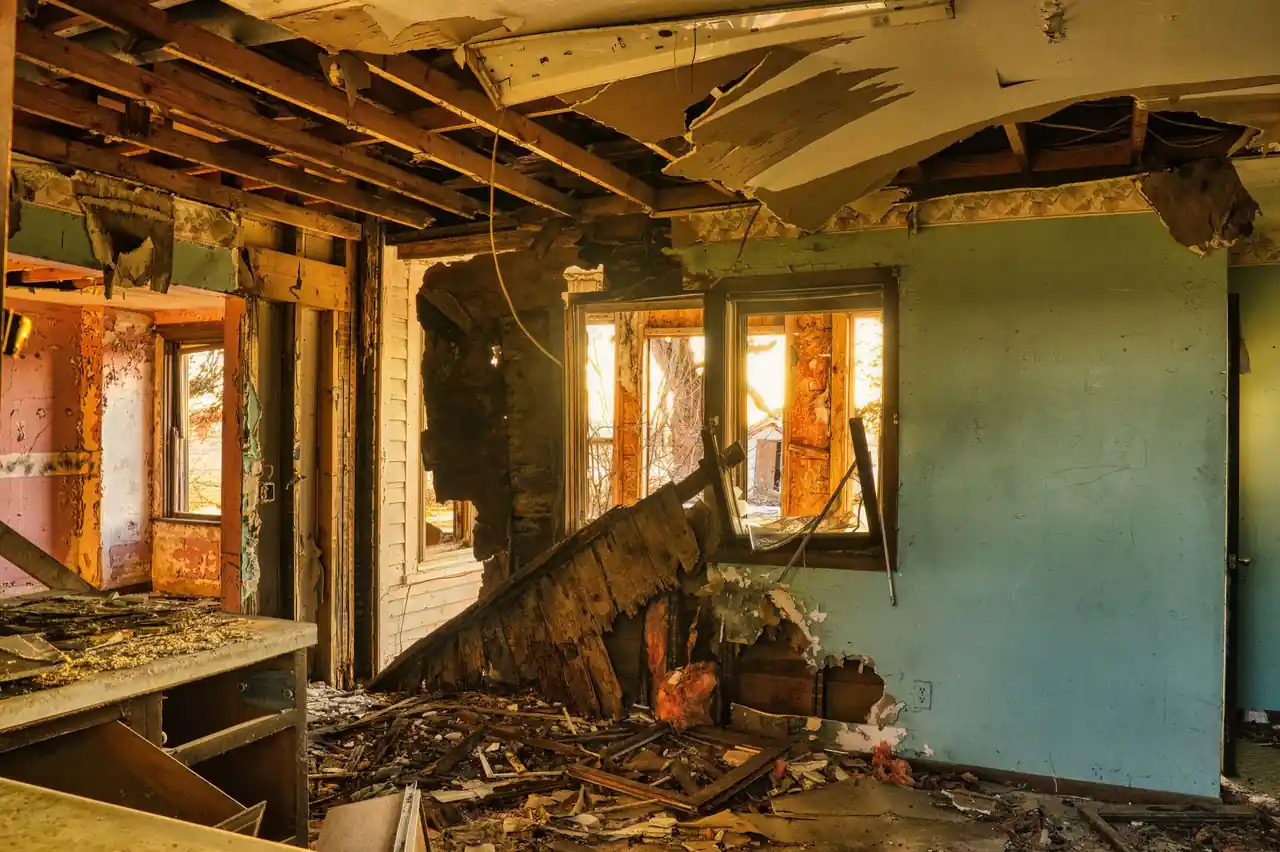
We place air movers along walls and across floors, then position dehumidifiers to pull moisture from the air. Dri-Eaz and Phoenix Restoration Equipment units are our standard for larger jobs. We seal off the area when needed so the drying system works on the wet materials, not the whole house.
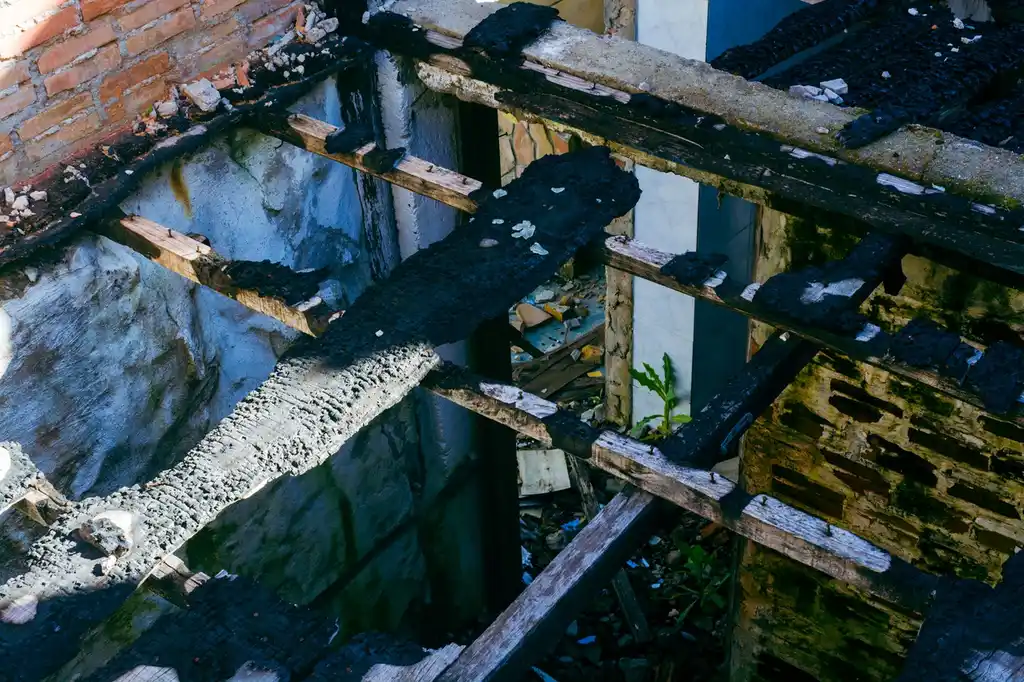
Each day we come back with a moisture meter and hygrometer to log readings on walls, floors, and in the air. If a material is not drying, we adjust equipment or add more. You get the numbers, not just a promise. Most jobs need three to five days of monitoring.
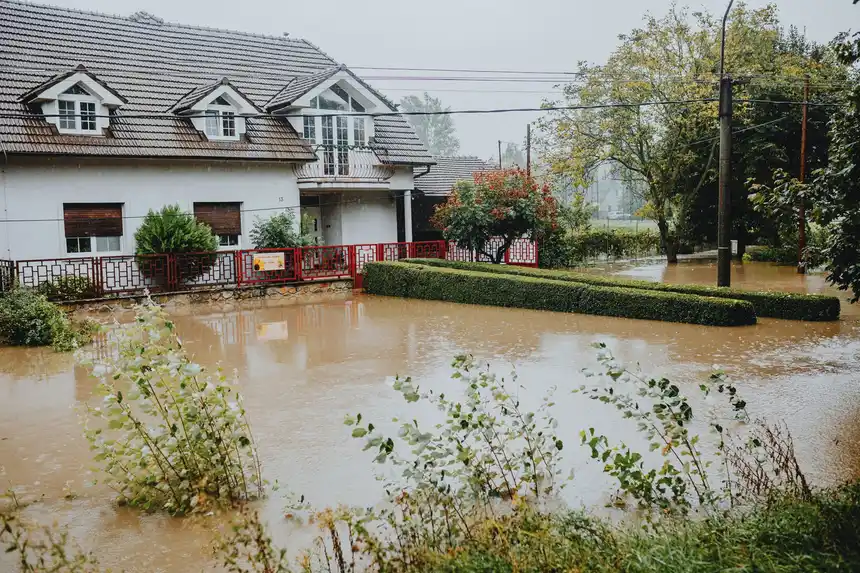
When materials hit dry standard, we take final readings and photos. You get a drying log showing day-one moisture levels versus final levels. If any material could not be saved, we tell you before we pack up, so there are no surprises when the repair crew arrives.
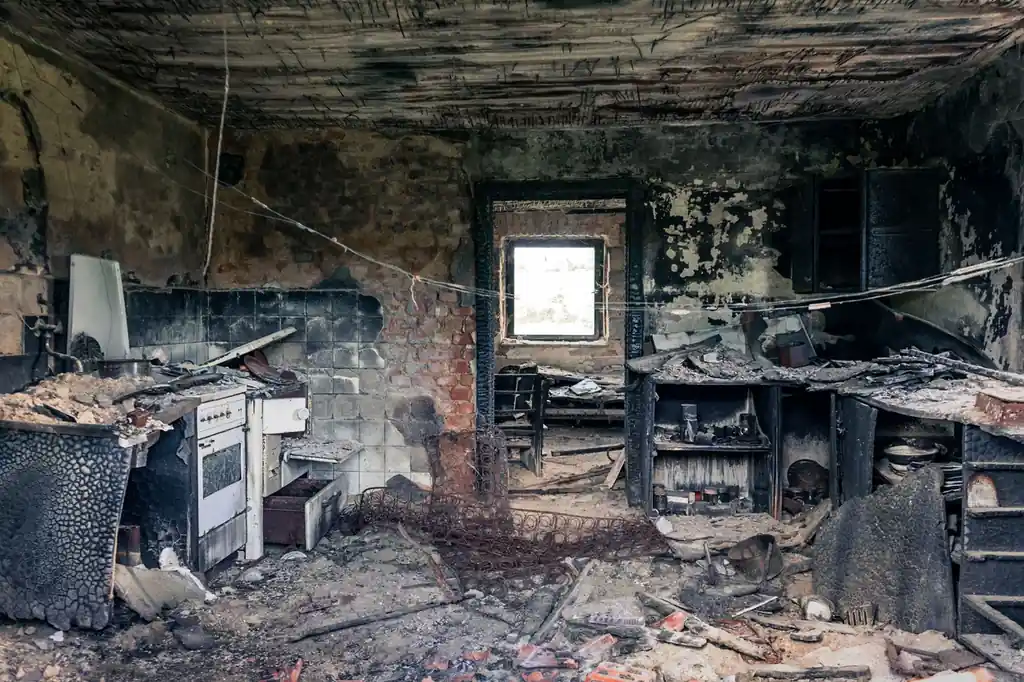
Move across a circle, or focus it and press Enter, for an illustrative thermal view of the photograph.
Measures water content in drywall, wood, and masonry so we know exactly what is wet and when it hits dry standard.
Shows temperature differences behind walls and under floors, revealing hidden moisture that a visual check would miss.
Lets us look inside wall cavities and under cabinets without cutting large openings, so we dry the right spots.
Keeps air moving across wet surfaces to speed evaporation. We place them along walls and across floors for even drying.

Pulls moisture out of the air so it can keep absorbing water from wet materials. Dri-Eaz and Phoenix units handle larger jobs.
Thermal views are illustrative, generated from the photographs.
Reads relative humidity in the air so we know the drying system is working and when to adjust it.
Removes standing water from floors and carpets before drying starts. We pair it with a wet/dry vacuum for edges and corners.
We follow the IICRC ASD standard for sizing and monitoring drying systems. That means equipment is calculated for the room, readings are logged daily, and we do not stop until materials hit dry standard.
Every day we record moisture content in walls, floors, and the air. If a material stalls, we change the setup. The log becomes your proof that the structure dried correctly.
On sewage or mold-affected jobs, we contain the area and scrub the air so dust and spores do not spread. Drying happens inside the containment.
Drywall, hardwood, tile, and masonry each dry at different rates. We adjust airflow and dehumidification for the material, which is why we check with a moisture meter instead of guessing.
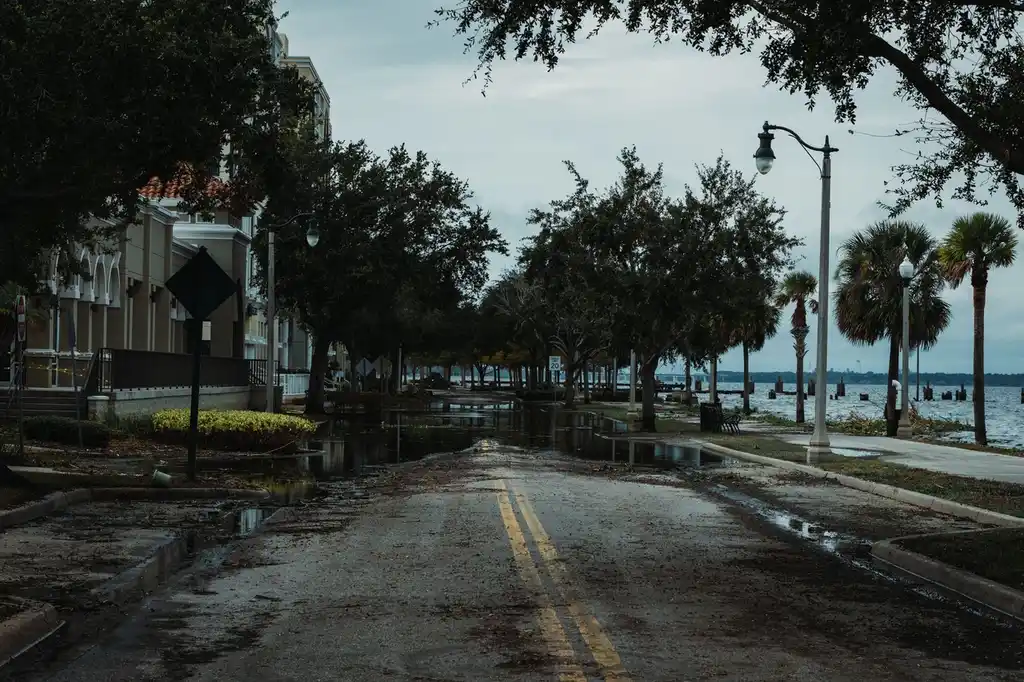
A pipe bursts in a Trolley Square rowhouse overnight and water runs down through the ceiling into the kitchen.
We shut off the water, extract from the kitchen floor, and open the ceiling where needed. Air movers and dehumidifiers dry the joists and subfloor. We check the ceiling cavity daily with a moisture meter.
Outcome: The kitchen and ceiling dry in four days without replacing the joists. You avoid a mold job and a much larger repair bill.

A sump pump fails during a spring storm and leaves two inches of water across a Southbridge basement.
We pump and extract the water, then set a drying system for the full basement. Masonry walls get extra monitoring because they hold moisture longer. We log readings daily until the block reads dry.
Outcome: The basement is dry in five days and safe to use again. You get a drying log for your insurance claim.
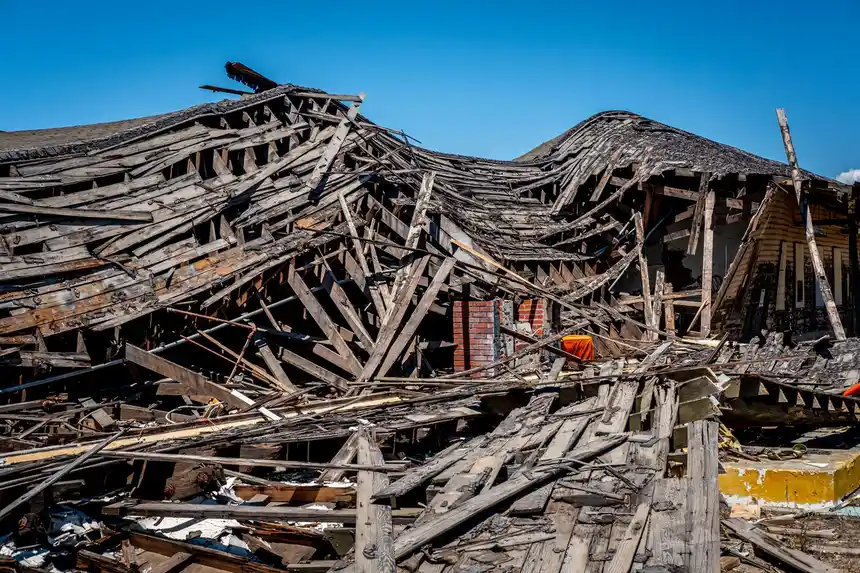
A water heater leaks in a Downtown Wilmington restaurant and soaks the floor behind the bar overnight.
We arrive early, extract the water, and set drying equipment that runs during closed hours. We work around your service schedule and keep the disruption to one section of the floor.
Outcome: The floor dries in three days and you reopen the affected area without replacing the tile.
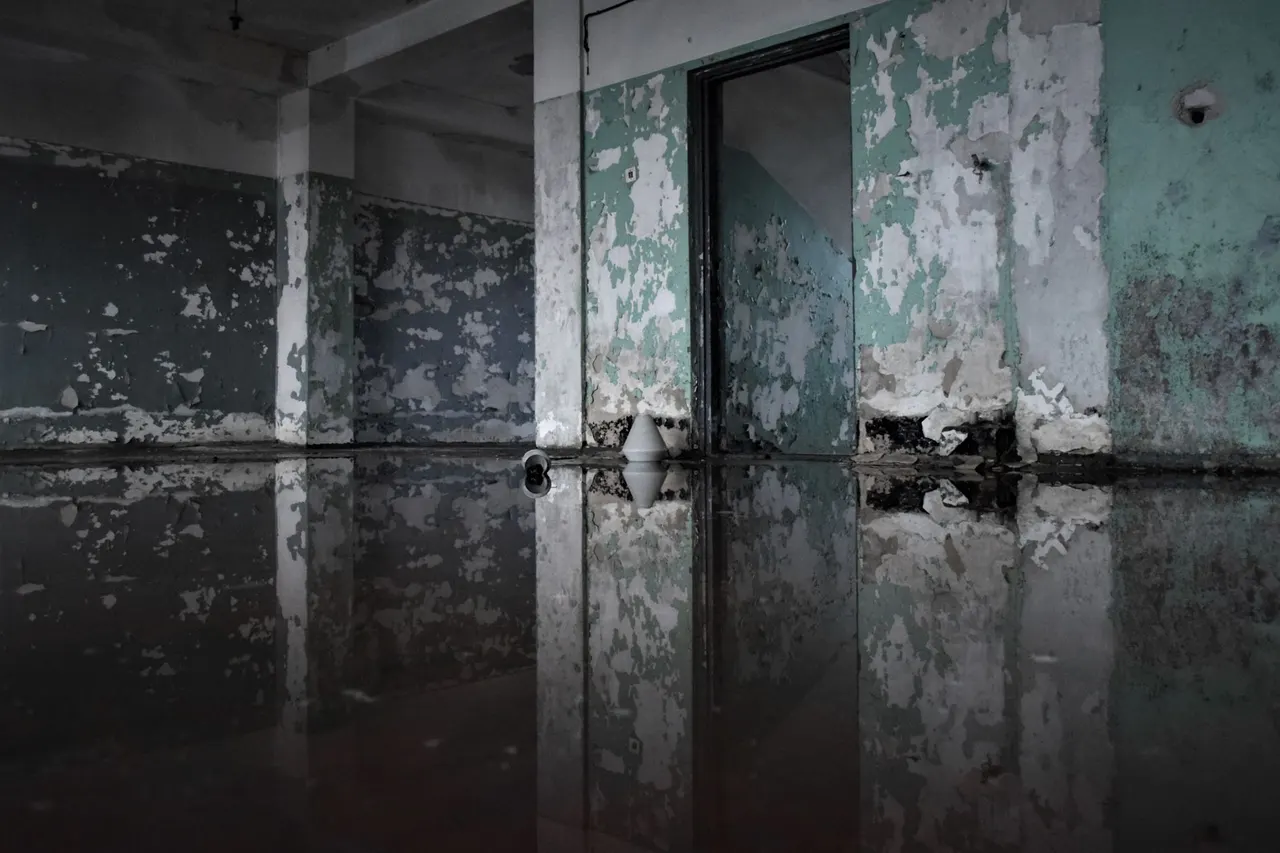
Heavy rain pushes groundwater through the foundation of a Riverfront office building, wetting carpet and baseboards.
We extract the carpet, dry the baseboards and wall bottoms, and check the slab with a moisture meter. Commercial structural drying Wilmington DE equipment scales to the square footage.
Outcome: The office is dry in four days with minimal downtime. Baseboards and carpet are saved.
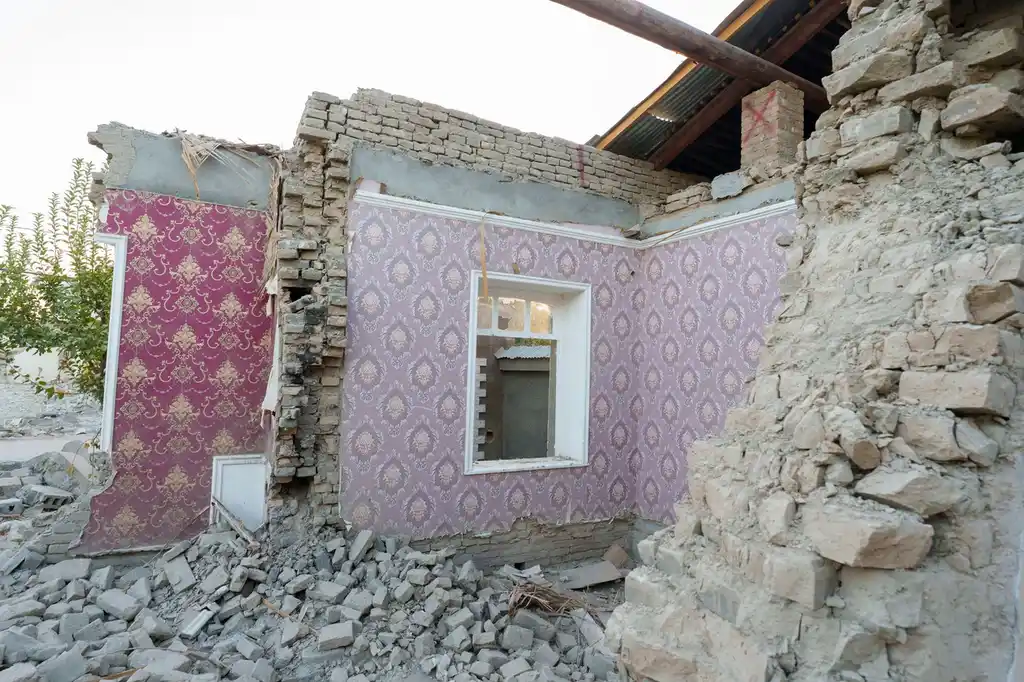
A washing machine supply line lets go in a Highlands home and water spreads under the laundry room floor.
We pull the washer, extract the water, and dry the subfloor and adjacent hallway. A moisture meter confirms how far the water traveled under the flooring.
Outcome: The subfloor dries in three days and the flooring stays in place. No mold and no replacement.

Wilmington's building stock changes how we dry. Rowhouses in Trinity Vicinity and Brandywine Village often have plaster walls and masonry that hold moisture longer than modern drywall. Basements in Southbridge and Browntown deal with groundwater intrusion every wet season, and sump pump failures spike during heavy rain. Winter cold snaps freeze pipes in older homes, and the leak shows up when they thaw.
We size the drying system for the material, not just the square footage, and we check masonry walls with a moisture meter for extra days when needed. If you need 24 hour structural drying Wilmington Delaware, call (302) 775-0748 and we will tell you what to do before we arrive. We work across New Castle County and know which neighborhoods flood first.
Before: A supply line burst behind the kitchen wall overnight. Water ran down through the ceiling and soaked the hardwood floor and drywall. The homeowner found a bulge in the ceiling and a puddle on the floor the next morning.
After: We extracted the water, opened the ceiling, and dried the joists and subfloor. Moisture readings dropped from 28% to 11% in four days. The hardwood stayed in place and the ceiling was patched, not replaced.
Keep an eye on the repaired wall for any new stain. We recommend a moisture check after the first heavy rain to confirm no hidden leak remains.
Before: A spring storm knocked out power and the sump pump failed. Two inches of water covered the basement floor and soaked the bottom of the block walls. The homeowner could not use the space for a week before calling.
After: We pumped and extracted the water, then ran air movers and dehumidifiers for five days. Block wall readings fell from 32% to 12%. The basement was dry and usable again without replacing the drywall.
Test the sump pump before every storm season and consider a battery backup. We can check the basement after the next heavy rain.
Before: The water heater failed overnight and soaked the floor behind the bar. Water spread under the tile and into the base of the wall. The owner needed to reopen the next day.
After: We extracted the water, dried the subfloor and wall base with air movers and dehumidifiers, and worked around the restaurant's hours. The floor dried in three days and the tile stayed in place. The bar area reopened the next morning.
Flush the water heater annually and check the pan and drain line. A moisture check after any future leak will catch it early.
Most water damage calls in Wilmington come from a handful of sources. Here is what we see and how drying fixes it.
A dry structure means no mold and no replaced materials.
Mold can start growing on wet drywall and plywood within 24 to 48 hours. We pull moisture out of the framing and cavities fast, then log daily readings until the materials hit dry standard. That window is the difference between a drying job and a mold remediation job.
Wood flooring and plywood subfloor cup and delaminate when they stay wet. We use air movers and dehumidifiers to dry them in place when possible, which is far cheaper than tearing out and replacing hardwood. Tile and grout get checked too, because water hides under the thinset.
Every day a structure stays wet, the repair bill grows. Drying on day one instead of day five often means saving drywall, baseboards, and cabinets. We document moisture readings and photos so your adjuster sees exactly what was wet and what we dried.
A bedroom, basement, or retail floor you cannot use is money and comfort lost. We set the drying system, check it daily, and tell you when the space is safe to use again. Most residential rooms dry in three to five days with the right equipment running.
What a written scope covers and what shapes it. Prices are set by the business after the first look.
Included
Depends on
Clear records you can keep and share.
Daily moisture readings recorded
Images of affected areas
Final readings at dry standard
What was dried and saved
The source of the water changes how we dry and what we remove.
From supply lines, water heaters, or rain
From washing machines, dishwashers, or toilet overflow
From sewage backup or groundwater
A list like this tells people straight away whether you cover their street. Not listed? Call and ask: it only takes a minute.
Based in Wilmington and covering the places around it. Pick one for local details.
Commercial jobs and sewage backup cleanup cost more because of containment and disposal. We give you a written range before we set equipment, and we tell you what could change it. Call (302) 775-0748 for a same-day estimate.
A typical room dries in three to five days. Dense materials like plaster, masonry, and hardwood can take five to seven days, especially in older Wilmington rowhouses. We check moisture readings daily and do not pull equipment until the materials hit dry standard. Rushing it is how mold comes back.
Structural drying removes moisture from the materials that make up your building, not just the air. It is needed because wet drywall, plywood, and framing can grow mold within 24 to 48 hours. Wilmington's older housing stock and humid summers make it more important here. Fans alone will not dry a wall cavity; you need air movers and dehumidifiers sized for the space.
Yes. Dehumidifiers are half the system. Air movers evaporate moisture from wet materials into the air, and dehumidifiers pull that moisture out so the air can absorb more. We use Dri-Eaz and Phoenix Restoration Equipment units and check them daily. Without dehumidifiers, you are just moving damp air around the room.
Other services from the same team.
Water damage gets worse by the hour. Call (302) 775-0748 and we will send a technician to measure the moisture, set the drying system, and give you a clear plan. We serve all of Wilmington and New Castle County, including 19802, 19805, and 19809.
Call (302) 775-0748 any time, day or night. If you prefer email, send photos and details to [email protected] and we will follow up with next steps.