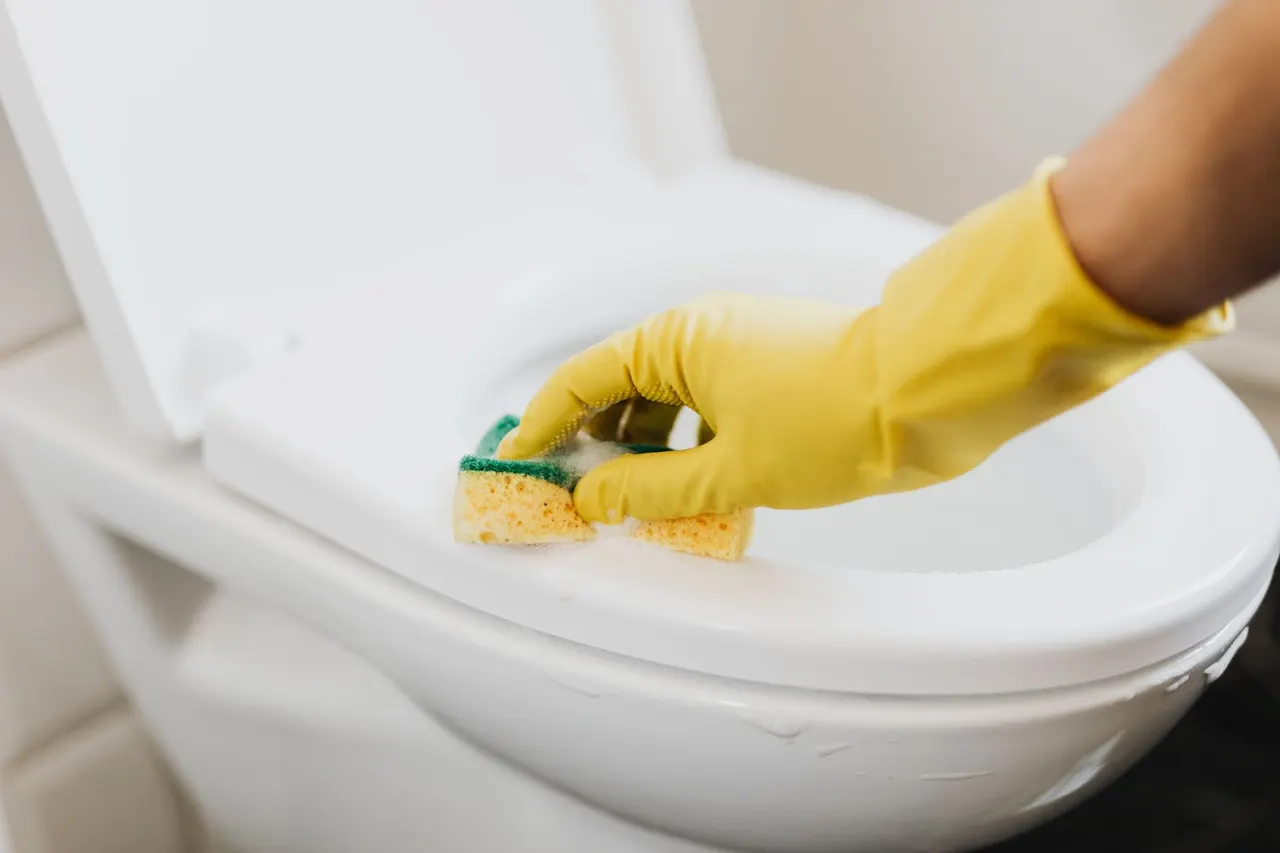
For Homes
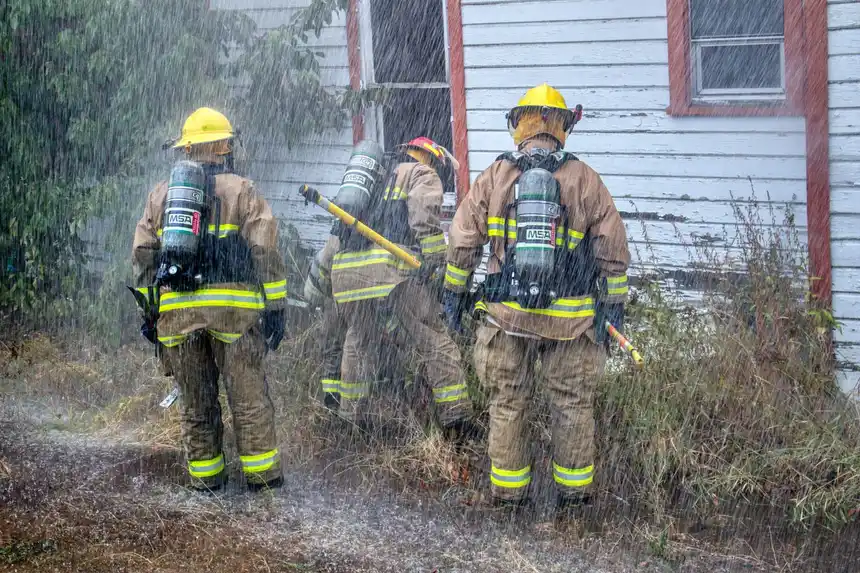
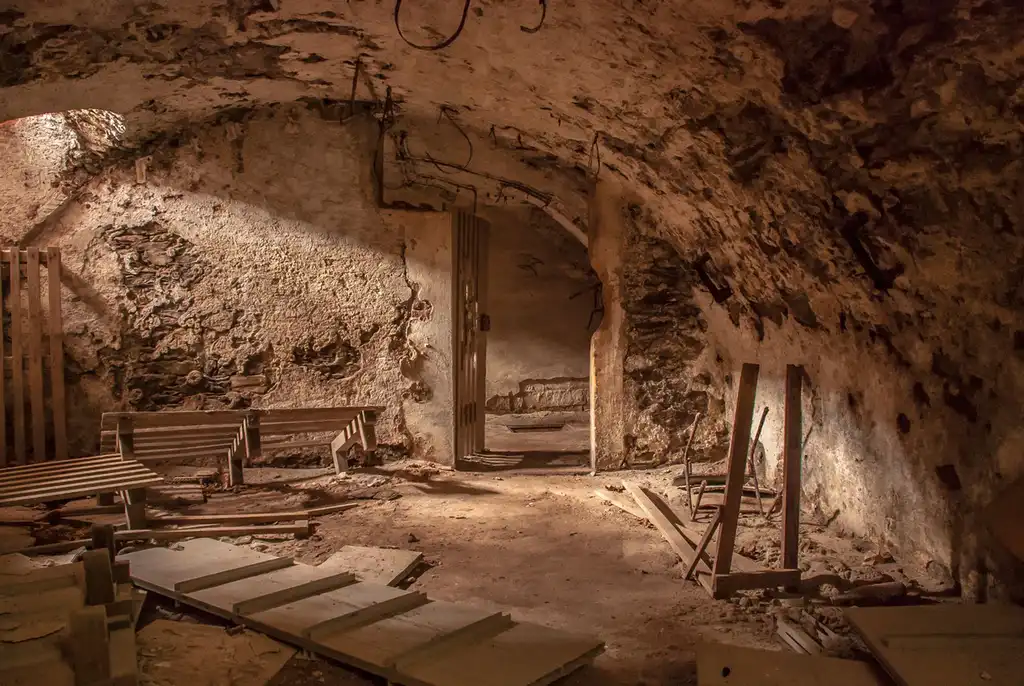
We handle water damage in houses, condos, and apartments. If your basement floods or a pipe bursts, we extract, dry, and document.
- Burst pipe under sink
- Sump pump failure
- Water heater leak
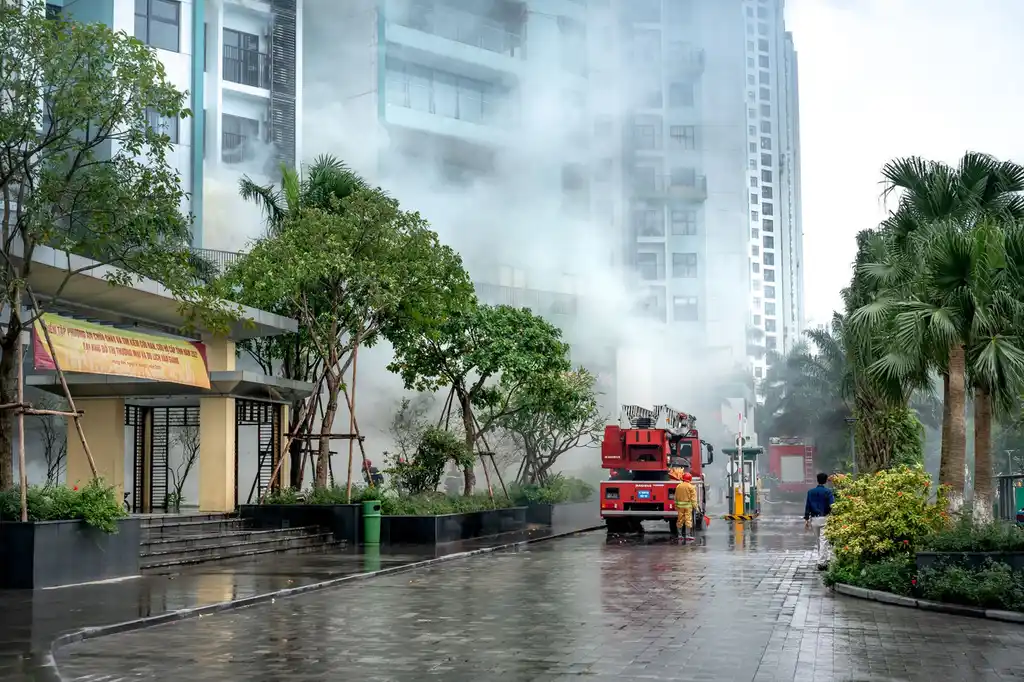
Commercial Water Damage Restoration in Wilmington is built for business owners who cannot afford to shut down. When a pipe bursts in your Trolley Square storefront or a sump pump fails at your Riverfront warehouse, our team extracts water, sets drying equipment, and documents everything for your insurance claim. We work after hours, on weekends, and through holidays to get your doors back open.
 Moisture mappingDaily drying logsDirect insurance billing
Every commercial water damage restoration in Wilmington starts with a full inspection and a written scope. We tell you what is covered, what your insurance likely pays for, and what happens next. No surprises, no hidden line items.
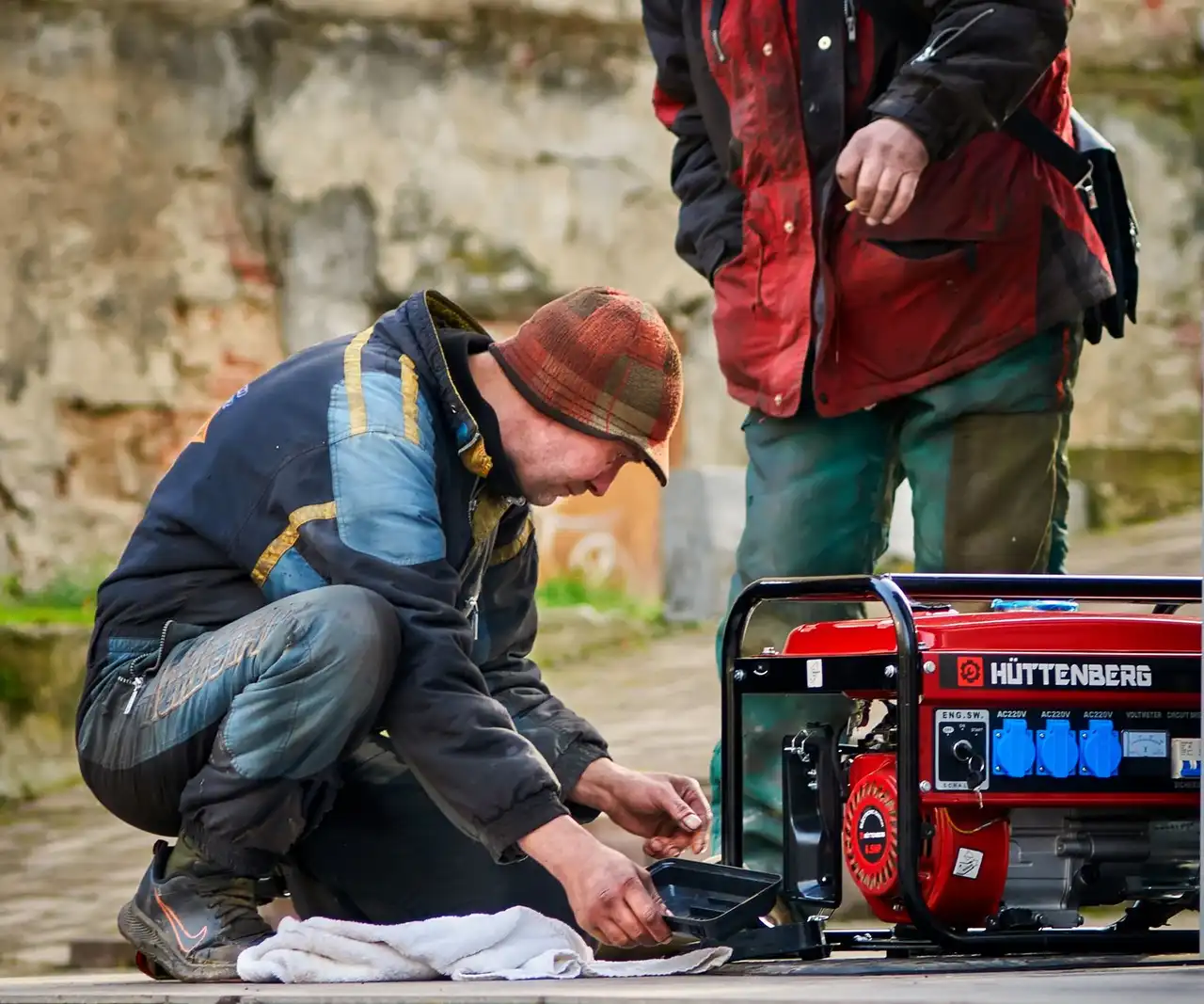
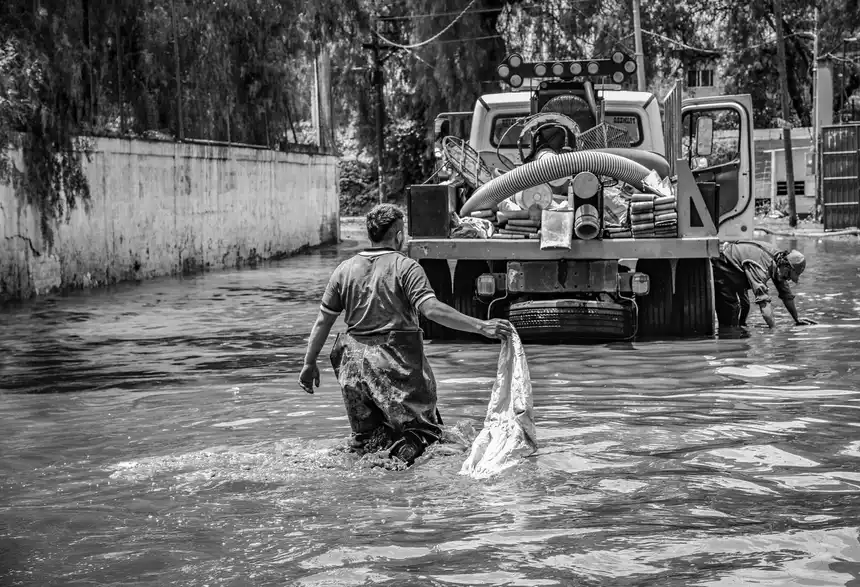
We remove standing water using truck-mounted extraction units, wet/dry vacuums, and sump pumps. Extraction starts the same day you call and usually takes 2 to 6 hours depending on the volume and how far the water has spread.
We use thermal imaging cameras, moisture meters, and a boroscope camera to find every wet area, including inside wall cavities and under floors. The moisture map guides equipment placement and becomes part of your insurance documentation.
We position air movers and commercial dehumidifiers to create a drying chamber. Equipment runs continuously and we check readings daily with a hygrometer. Most commercial spaces reach dry standard in 3 to 5 days.
A technician visits every day to record temperature, humidity, and moisture content. You get a daily log and photo updates. This documentation is what your adjuster needs to approve the claim without delays.
When readings match the dry standard, we remove equipment and do a final walk-through. You receive a complete drying report with photos, logs, and moisture maps. If any materials need replacement, we note it and can schedule the repair.
The approach is the same for a home and a business. What changes is the access, the schedule and who needs the paperwork.
We handle water damage in houses, condos, and apartments. If your basement floods or a pipe bursts, we extract, dry, and document.
We restore offices, retail stores, restaurants, and warehouses. We work around your hours to keep you open and protect your inventory.
A plain-language look at what Commercial Water Damage Restoration involves and when it is needed.
See how it worksCommercial Water Damage Restoration in Wilmington is the process of extracting standing water, drying structural materials, and returning a business property to pre-loss condition. It starts with moisture detection using a thermal imaging camera and pin-type moisture meter to map the water's path behind drywall, under tile, and inside wall cavities. From there we deploy water extraction units, air movers, and commercial dehumidifiers to pull moisture out of the building. The final step is verification: we take hygrometer readings until every affected material matches a dry standard, then document the results for your records and your insurer.
Wilmington business owners call us for the same handful of problems every year. A frozen pipe thaws and splits in a second-floor office above a retail space. A water heater leak soaks through a ceiling in a Little Italy restaurant. Heavy rain overwhelms a sump pump in a Browntown basement, and groundwater intrusion creeps into inventory storage. We handle business water damage restoration Wilmington DE properties with the same urgency whether the loss is 200 square feet or 20,000. If you need commercial water damage restoration Wilmington DE near me, we are already in the neighborhood.
Commercial water damage restoration is about drying the building correctly and documenting every step for your insurer.
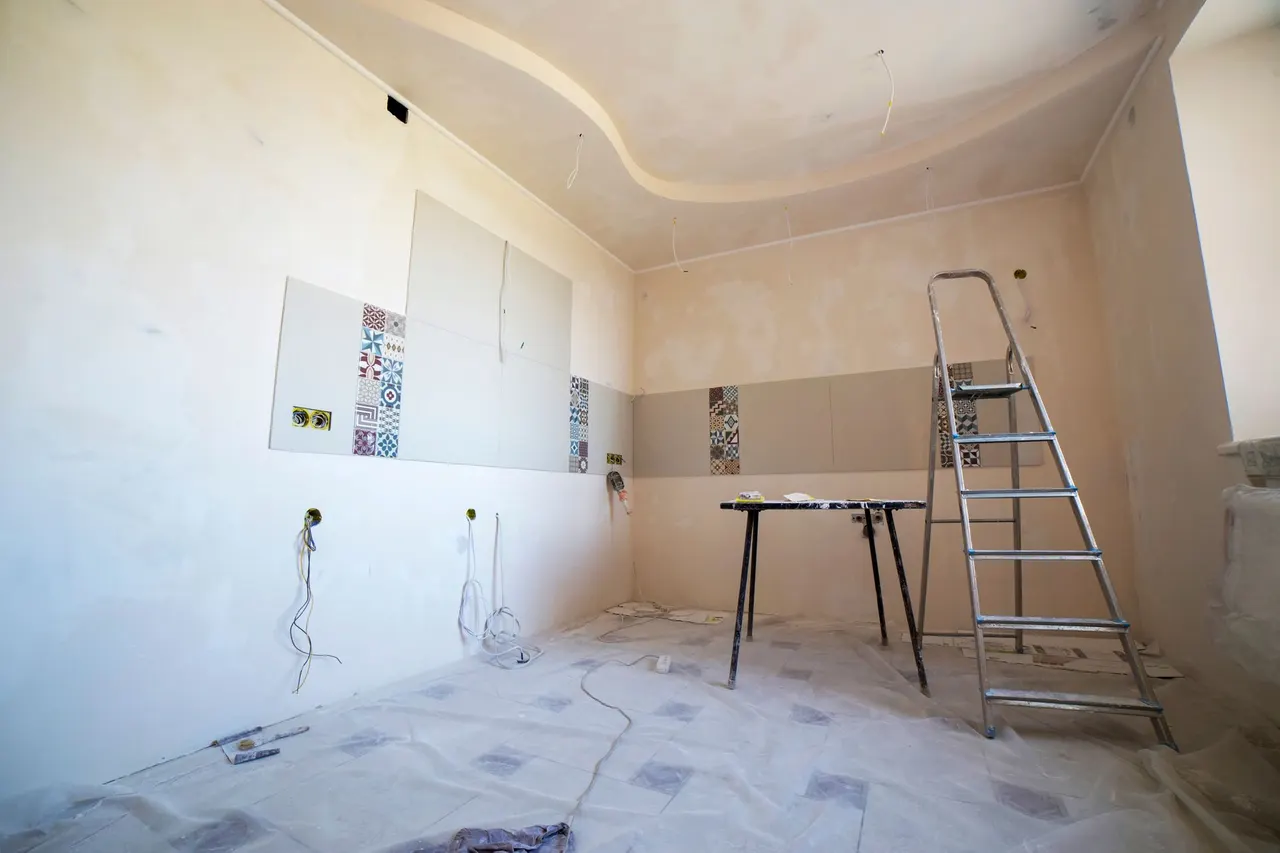
Every job follows the same five steps. You will know what is happening, who is doing it, and how long it takes before we start.
You call (302) 775-0748 and speak to a live person, not a voicemail. We ask what happened, where the water is coming from, and whether the electricity is safe. Within 60 to 90 minutes, a crew arrives with extraction equipment and moisture detection tools. If the source is still active, we shut it down or isolate it before anything else.
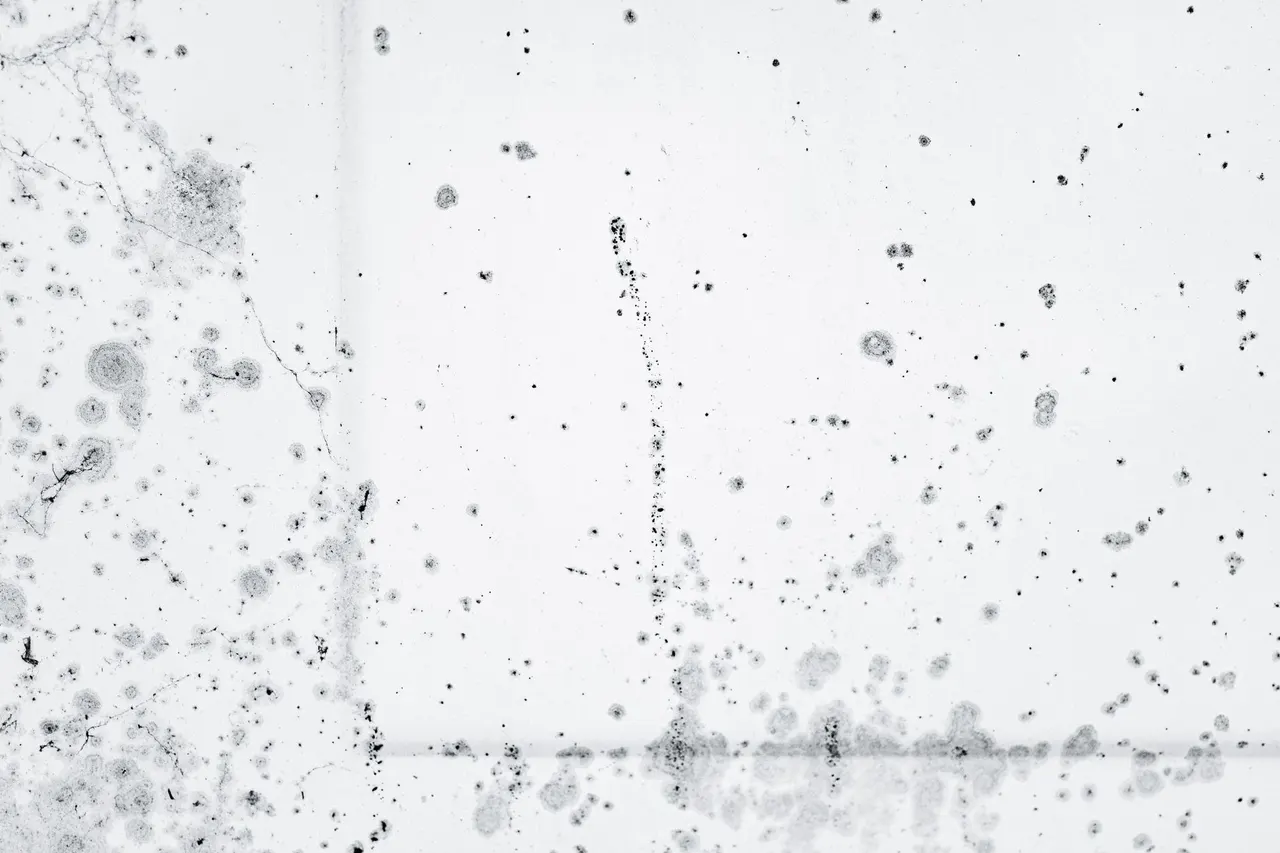
We walk the property with a thermal imaging camera and a moisture meter to find every wet area, including the ones you cannot see. A boroscope camera checks inside wall cavities, and an infrared thermometer confirms surface temperatures. We mark the boundaries of the affected zone with tape and explain what we found before we set a single piece of equipment.
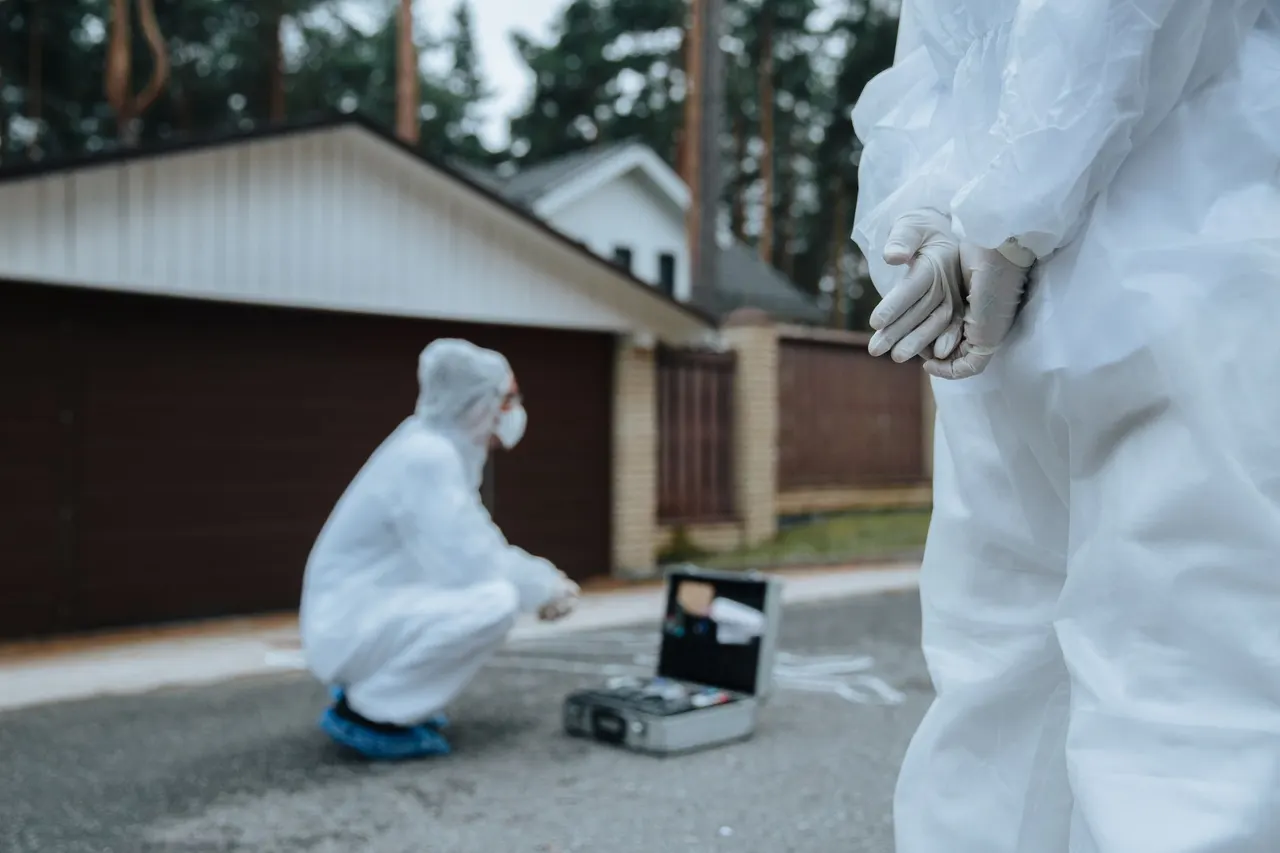
Standing water comes out first. We use truck-mounted and portable water extraction units, plus a wet/dry vacuum for tight corners and a sump pump for flooded basements. If sewage backup is involved, we treat the area as contaminated and follow Category 3 protocols. Extraction usually takes 2 to 6 hours depending on volume and access.
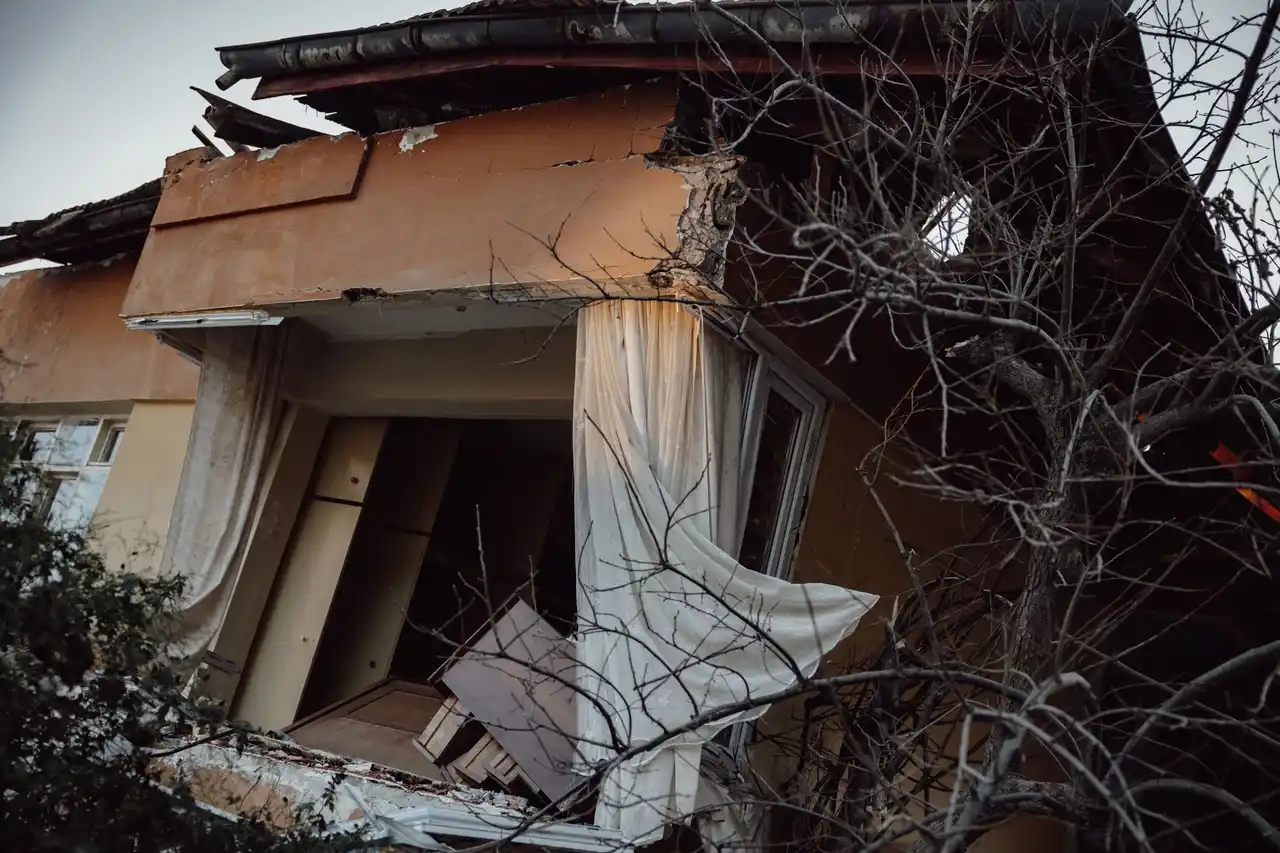
We position air movers and dehumidifiers to create a drying chamber, then check readings daily with a hygrometer. Drywall, plywood, and wood flooring dry at different rates, so we adjust equipment placement as needed. Most commercial spaces reach dry standard in 3 to 5 days. You get a daily log of temperature, humidity, and moisture content.
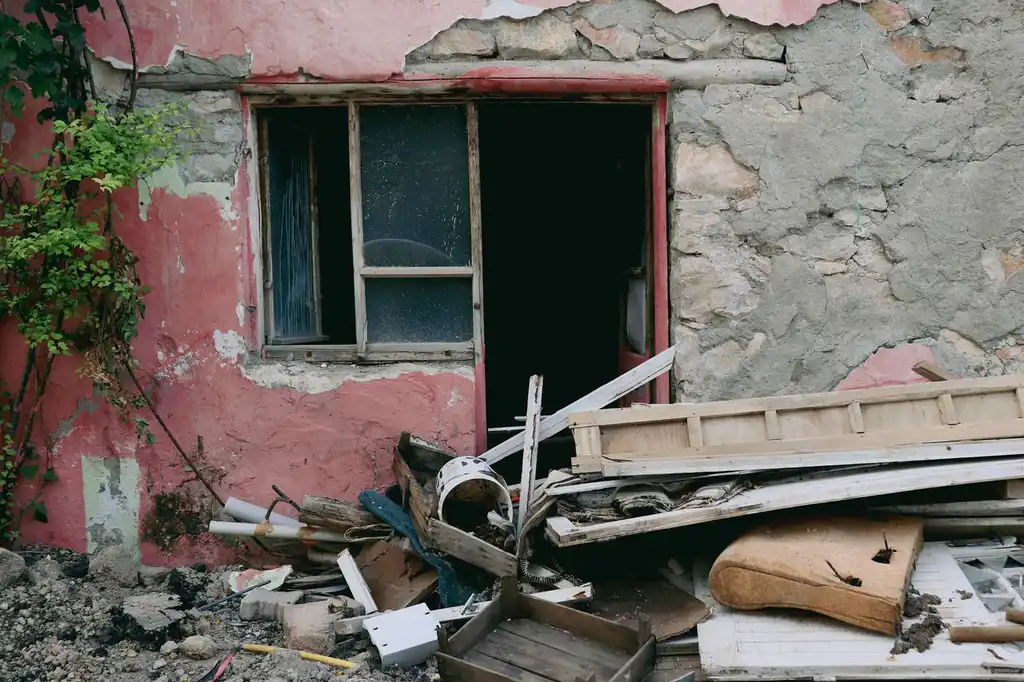
When readings match the dry standard, we remove equipment and do a final walk-through with you. We provide a complete drying report with photos, daily logs, and moisture maps for your insurance claim. If any material needs replacement, we note it and can schedule the repair. You get a dry, documented, ready-to-occupy space.
Move across a circle, or focus it and press Enter, for an illustrative thermal view of the photograph.
Finds hidden moisture behind walls, under floors, and above ceilings by reading temperature differences. It shows us where water has traveled, even when the surface looks dry.
Measures moisture content in drywall, wood, and concrete. We use it to set a dry standard and confirm when materials are ready for reconstruction.
Pulls moisture from the air at a rate that standard rental units cannot match. These commercial units are the backbone of our structural drying process.
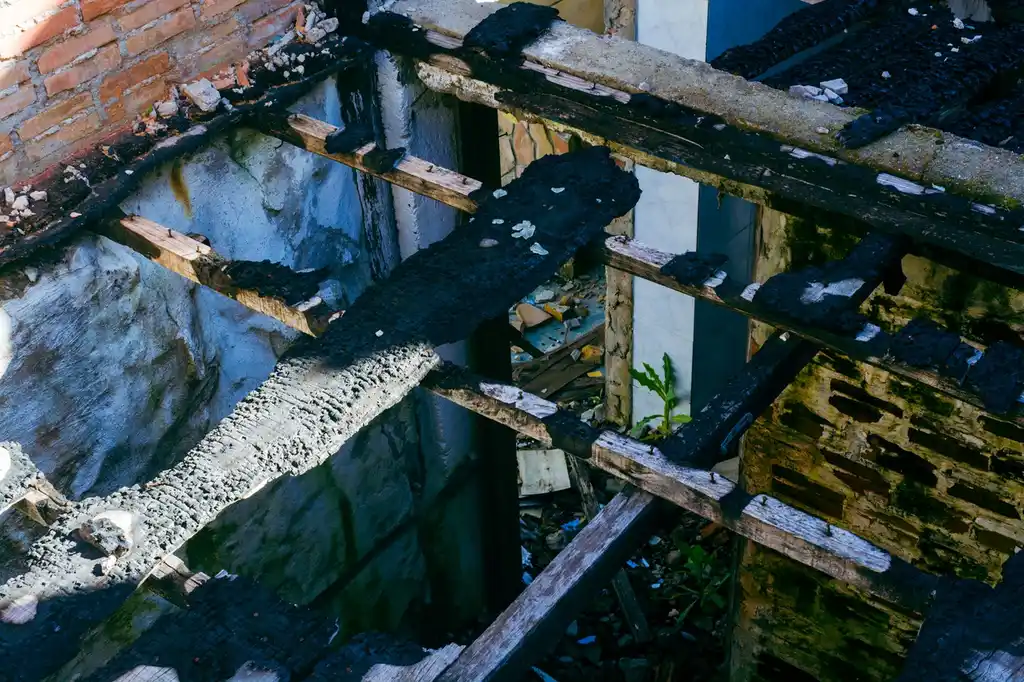
Creates high-velocity airflow across wet surfaces to speed evaporation. We position them based on the moisture map and adjust as drying progresses.
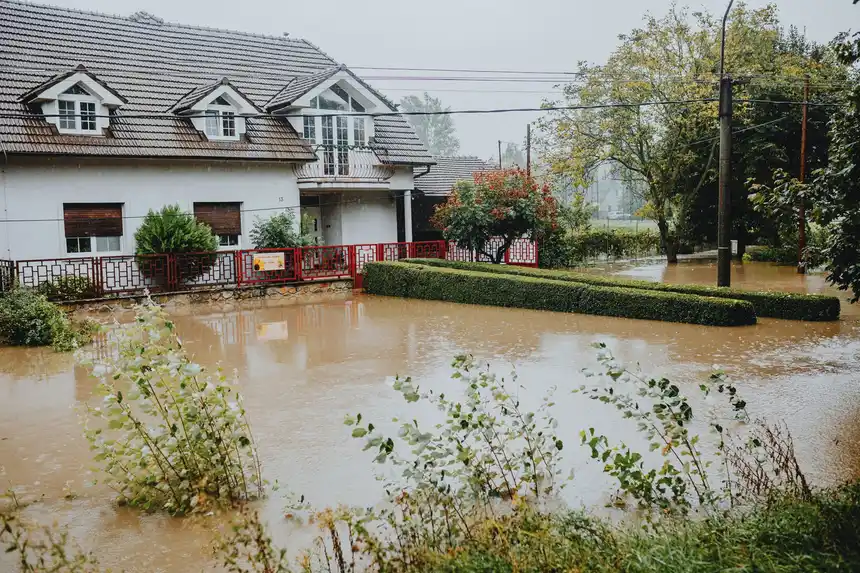
Removes standing water from carpet, tile, and concrete. Truck-mounted units handle large volumes, while portable units reach tight spaces.
Thermal views are illustrative, generated from the photographs.
Inspects inside wall cavities and behind baseboards without demolition. It confirms whether moisture is trapped where a meter cannot reach.
Removes water from flooded basements and low-lying areas. We use it when the volume is too high for standard extraction units.
We follow the IICRC S500 standard for water damage restoration and the S520 standard for mold remediation. These standards define how we categorize water, set drying goals, and verify results. Following them ensures your job is done correctly and your insurance claim is defensible.
We create a moisture map on day one and update it daily. Readings are taken with a hygrometer and moisture meter at fixed points. This data drives equipment adjustments and gives your adjuster a clear picture of the drying progress.
For sewage backups and mold remediation, we set up containment barriers and negative air machines. This keeps contaminants from spreading to unaffected areas. We follow OSHA and EPA guidelines for worker and occupant safety.
We document the loss, prepare a scope, and bill your carrier directly. You do not have to front the cost and wait for reimbursement. We communicate with your adjuster throughout the process to keep the claim moving.
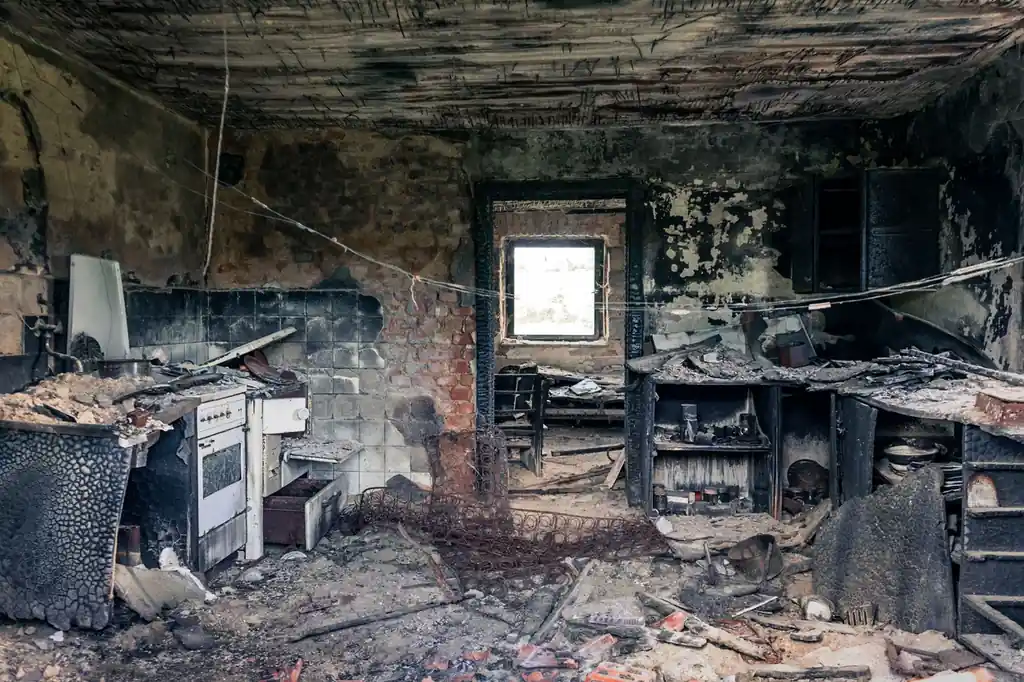
A frozen pipe bursts in a Downtown Wilmington office building on a Sunday morning in January.
We dispatch a crew immediately, shut off the water, and extract from the carpet and drywall. We set air movers and dehumidifiers, then monitor daily until the space is dry.
Outcome: The office reopens Monday morning with drying equipment running in a contained area. Full dry standard is reached in four days.
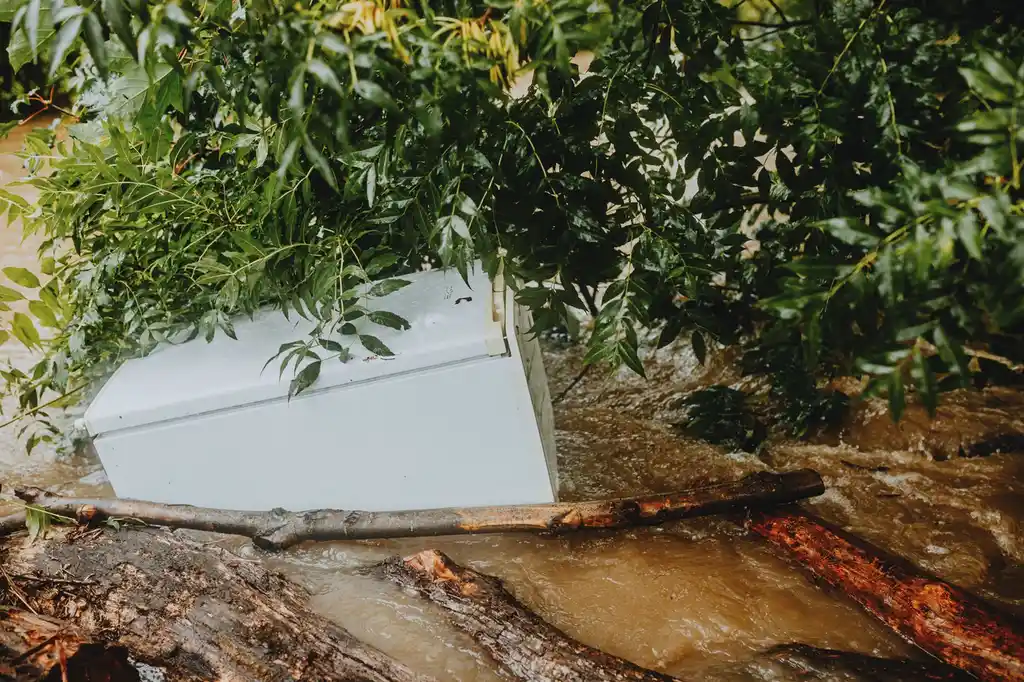
A retail store in Trolley Square discovers water damage from a failed water heater above the sales floor.
We extract the water, remove the saturated ceiling tiles, and set drying equipment. We work overnight so the store can open at 10 a.m. Our documentation supports the insurance claim for the damaged inventory and ceiling.
Outcome: The store loses zero sales days. The ceiling is repaired within a week, and the claim is approved without back-and-forth.
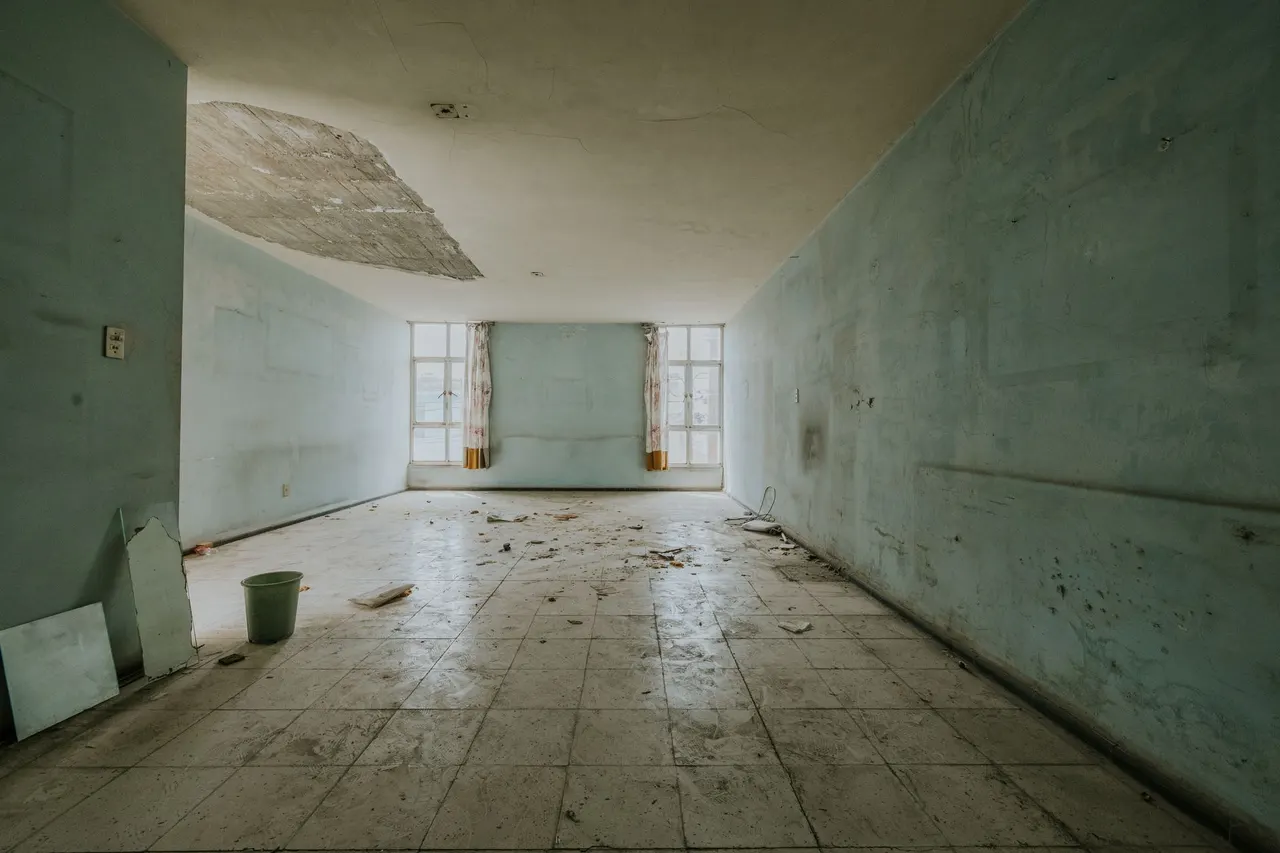
A Riverfront warehouse floods after a nor'easter dumps three inches of rain in six hours.
We pump out the loading dock and warehouse floor, extract remaining water, and set industrial dehumidifiers. We check moisture levels daily and document the loss. We also inspect for groundwater intrusion along the foundation walls.
Outcome: The warehouse is back to shipping within 48 hours. Drying completes in five days, and the foundation is checked for future intrusion.
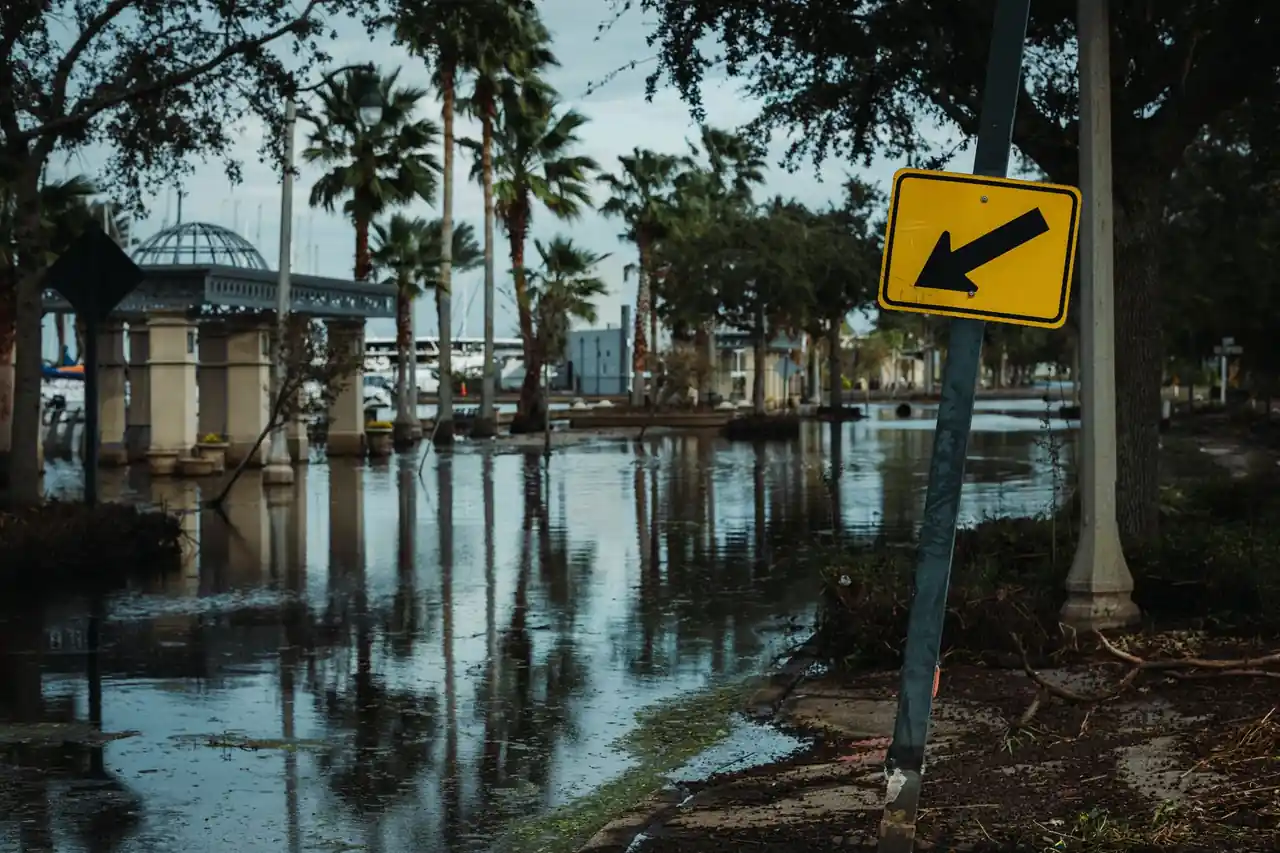
A restaurant in Little Italy has a sewage backup in the restroom that spreads into the kitchen.
We contain the area, remove contaminated materials, and disinfect every surface. We extract the water and set drying equipment. The health department is notified, and we document everything for the insurance claim.
Outcome: The restaurant passes re-inspection in three days and reopens. The claim covers the contaminated materials and the lost inventory.
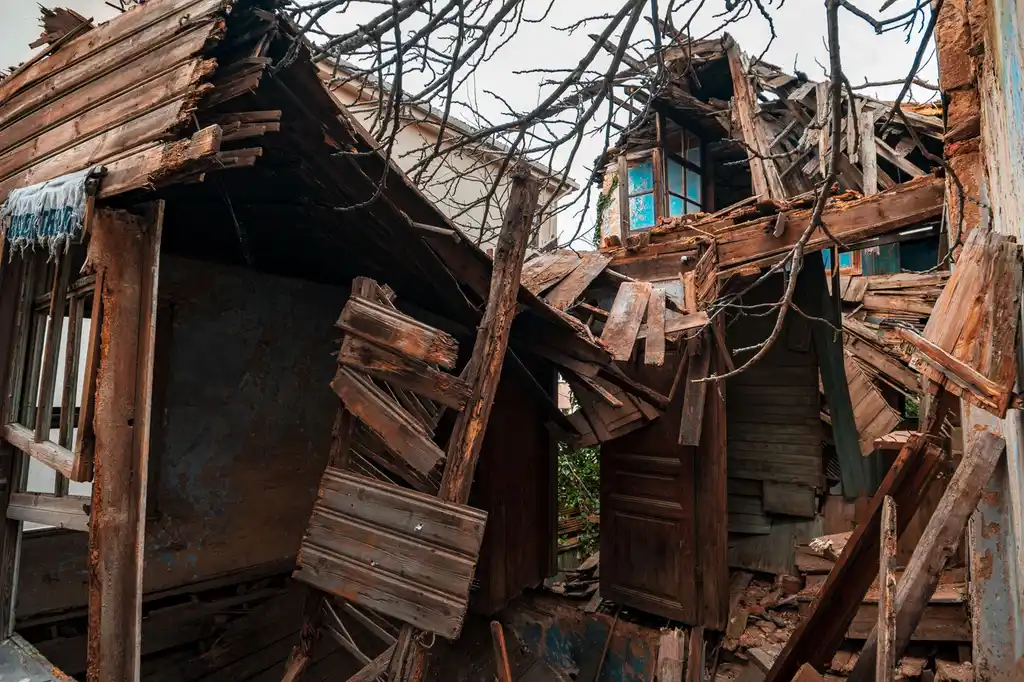
A property manager in The Highlands discovers mold growth in a commercial basement two weeks after a sump pump failure.
We inspect with thermal imaging and moisture meters, contain the mold, and remove affected materials. We dry the space and treat it with antimicrobials. We also recommend a sump pump replacement to prevent recurrence.
Outcome: The basement is mold-free and dry within a week. The property manager schedules annual moisture inspections to catch problems early.
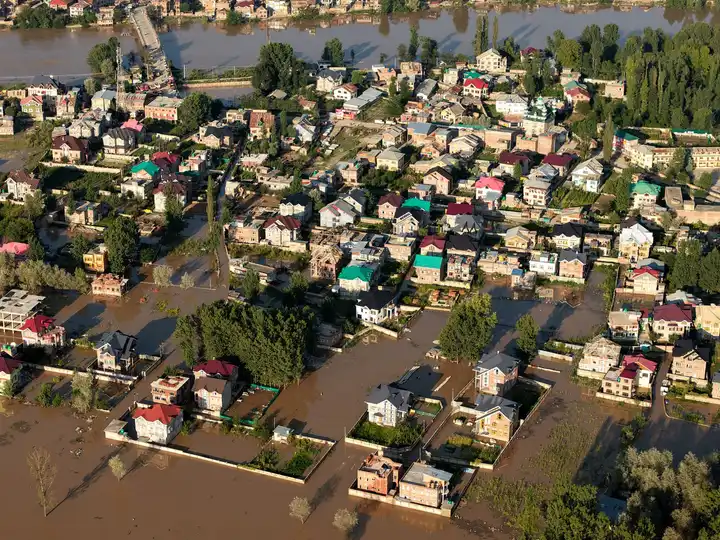
Before: A frozen pipe split above a second-floor office in Downtown Wilmington. Water soaked carpet, drywall, and a server room. The tenant called at 6 a.m. and needed the space dry before a Monday meeting.
After: We extracted 40 gallons of water, removed saturated ceiling tiles, and set 12 air movers and 4 dehumidifiers. Moisture readings dropped from 28% to 11% in four days. The server room was dry and operational within 24 hours.
We recommended pipe insulation on the exterior wall line and a smart leak sensor in the server room. Both were installed within a week.
Before: A sump pump failed during a spring storm, flooding a 1,200-square-foot commercial basement with two inches of water. Inventory stored on the floor was soaked, and the concrete walls were wicking moisture.
After: We pumped out the basement, extracted remaining water, and set drying equipment. The space reached dry standard in three days. We treated the walls with antimicrobial and documented the loss for insurance.
The owner replaced the sump pump and added a battery backup. We now check the pump and liner during annual moisture inspections.
Before: A cast-iron drain clogged and sewage backed up into a restaurant restroom, spreading into the kitchen. The health department shut the kitchen down, and the owner needed a fast, documented cleanup.
After: We contained the area, removed contaminated materials, and disinfected every surface. Drying equipment ran for four days. The restaurant passed re-inspection and reopened in three days with a full insurance claim package.
We recommended annual drain cleaning and a backflow preventer.
Water damage gets worse every hour. Here are the problems Wilmington businesses call us about most, and what happens if they wait.
A dry, documented, ready-to-occupy space with less downtime and a smoother insurance claim.
Our commercial-grade Dri-Eaz and Phoenix Restoration Equipment dehumidifiers pull 3 to 5 times more moisture than rented box-store units. That means a 2,000-square-foot office typically dries in 3 to 4 days instead of a week. We set equipment the same day we extract, so drying starts immediately and your team can return to work sooner.
We photograph every affected area, log moisture readings, and produce a drying report your adjuster can use without back-and-forth. For business water damage restoration services in Wilmington Delaware, that paperwork often makes the difference between a fast settlement and a month of questions. We bill carriers directly and explain your coverage before work begins.
Water does not wait for business hours, and neither do we. A burst pipe at 2 a.m. in the Highlands gets the same response as a 2 p.m. call. We schedule extraction and drying around your operating hours, so retail water damage restoration Wilmington Delaware projects do not cost you a single day of sales if we can help it.
Wilmington's older building stock means plaster walls, cast-iron drains, and PEX retrofits that behave differently from modern construction. We know how these materials dry and when they need to be removed.
What a written scope covers and what shapes it. Prices are set by the business after the first look.
Included
Depends on
Clear records you can keep and share.
Images of affected areas before and after
Diagram of wet areas and drying zones
Temperature, humidity, and moisture readings
Final verification and summary for insurance
Not all water damage is the same. The category of water determines how we handle the cleanup and what can be saved.
Clean water from a supply line or rainwater
Gray water with some contamination
Black water with harmful pathogens
A list like this tells people straight away whether you cover their street. Not listed? Call and ask: it only takes a minute.
Based in Wilmington and covering the places around it. Pick one for local details.
The final cost depends on square footage affected, water category, and how many days of drying are needed. We provide a written estimate before work begins and bill your insurance directly when coverage applies.
We phase the work so part of your space stays open. Extraction happens first, then we set drying equipment in zones and move it as areas dry. For retail water damage restoration Wilmington Delaware clients, we often work overnight and on weekends. Most small commercial spaces are back to normal operations within 3 to 5 days.
Yes. We dispatch crews 24 hours a day, including weekends and holidays. A burst pipe or sump pump failure at 2 a.m. gets the same response as a midday call. We confirm your address, give you an arrival window, and walk you through shutting off the water source while you wait.
Most commercial property policies cover sudden and accidental water damage, including burst pipes, appliance leaks, and storm-driven flooding. Groundwater intrusion and long-term seepage are often excluded. We document the cause and scope, bill your carrier directly, and explain what your policy likely covers before we start.
Other services from the same team.
We answer the phone 24 hours a day and dispatch crews across New Castle County. One call gets extraction equipment on the way and a plan for your insurance claim. Call (302) 775-0748 now.
Call (302) 775-0748 any time, day or night. If you prefer email, send photos and details to [email protected] and we will follow up with next steps.