For Homes
Sewage backups in Wilmington homes often start at a floor drain or toilet. We extract, disinfect, and dry so your living space is safe again.
- Basement floor drain backup
- Toilet overflow on any floor
- Sump pump failure flooding
Sewage Backup Cleanup Wilmington DE means getting contaminated water out of your basement or crawlspace before it spreads. We handle sewage water removal and cleanup in Wilmington for homeowners and property managers across New Castle County, from Trolley Square rowhomes to Riverfront commercial spaces. When a main line backs up or a sump pump fails, our crew extracts, sanitizes, and dries the space so you can get back to normal.
 Check moistureContain areaExtract water
Every sewage backup job is different, but our standard scope covers the core work needed to make a Wilmington property safe and dry. Here is what is typically included when you hire us.
We seal off the affected area with plastic sheeting and set negative air pressure to keep contaminated dust and moisture from spreading. This protects clean rooms, HVAC returns, and adjacent units in multi-family buildings.
Truck-mounted extraction units and wet/dry vacuums remove standing sewage from floors, carpet, and crawlspaces. We work from the farthest point back to the source to avoid pushing contamination into clean areas.
Carpet, padding, baseboards, and drywall that absorbed black water are removed, bagged, and disposed of properly. Porous materials cannot be safely disinfected and dried in place after a sewage backup.
Every hard surface touched by sewage gets cleaned with EPA-registered disinfectant. That includes concrete, framing, tile, and subfloor. We follow IICRC WRT and AMRT standards for contaminated water.
Air movers and dehumidifiers dry the framing, subfloor, and concrete. We check moisture levels daily with a moisture meter and hygrometer, adjusting equipment until the structure reaches dry standard.
We photograph the loss, log moisture readings, and provide a written scope. That package supports your claim if your policy covers sewage backup water damage cleanup Wilmington Delaware.
The approach is the same for a home and a business. What changes is the access, the schedule and who needs the paperwork.
Sewage backups in Wilmington homes often start at a floor drain or toilet. We extract, disinfect, and dry so your living space is safe again.
A sewage backup can shut down a Wilmington business and trigger a health inspection. We work after hours to extract, disinfect, and dry your space.
A plain-language look at what Sewage Backup Cleanup involves and when it is needed.
See how it worksSewage Backup Cleanup Wilmington DE is a contaminated-water restoration service that removes Category 3 black water, disinfects affected surfaces, and dries the structure to prevent mold growth. Raw sewage carries bacteria, viruses, and parasites, so a mop and a shop vac are not enough. We use truck-mounted water extraction units, wet/dry vacuum systems, and EPA-registered disinfectants to bring the space back to a safe, dry condition. Every job starts with containment to stop cross-contamination into clean areas of your home.
Wilmington's older housing stock, clay sewer laterals, and combined storm-sewer systems make backups common after heavy rain or a root intrusion. In neighborhoods like The Highlands and Baynard Village, basement floor drains are often the first place sewage appears. We respond to emergency sewage backup cleanup Wilmington DE calls at all hours, including same day sewage backup cleanup Wilmington DE requests when a toilet overflow or sump pump failure floods a finished basement.
Sewage cleanup removes contamination, not just water, so the space can dry safely.
From the first phone call to the final moisture reading, here is exactly what happens when you hire us for sewage backup cleanup in Wilmington.
You call (302) 775-0748 and describe what happened. We ask about the source, how deep the water is, and whether the backup is still active. A crew is dispatched with extraction and containment equipment.
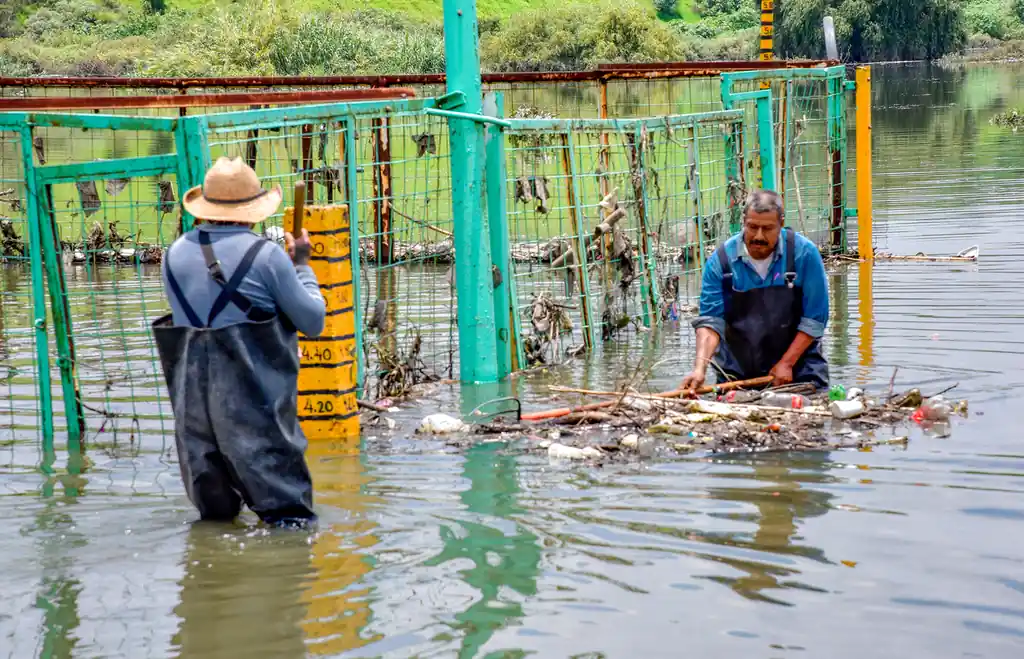
On arrival, we walk the affected area with a moisture meter, infrared thermometer, and boroscope camera to trace how far the contamination traveled. We check the basement, crawlspace, and any adjacent finished space. You get a clear explanation of what we found and what needs to come out before we start work.
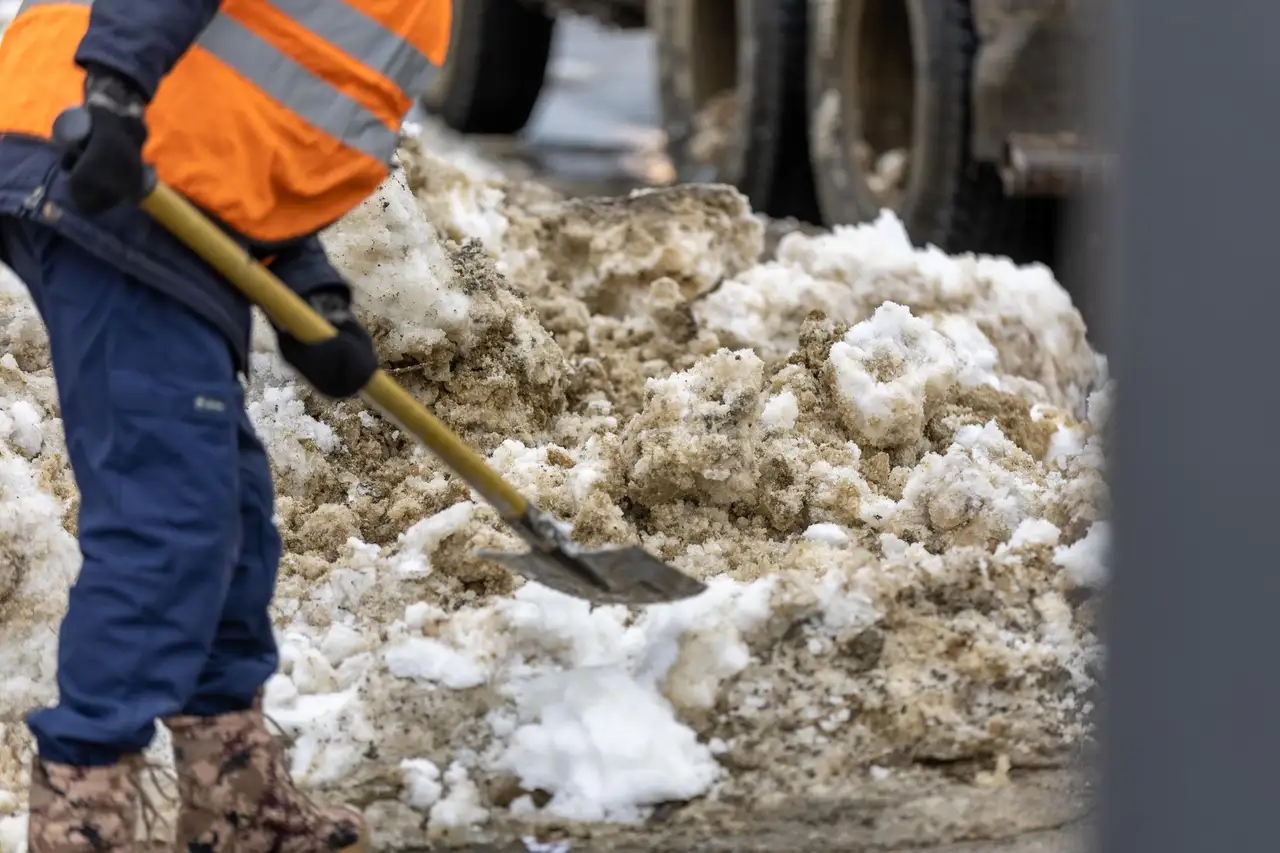
We extract standing sewage with a truck-mounted water extraction unit and wet/dry vacuum. Contaminated carpet, padding, baseboards, and drywall go into sealed bags for disposal. In most Wilmington homes, extraction takes two to four hours depending on volume and access.
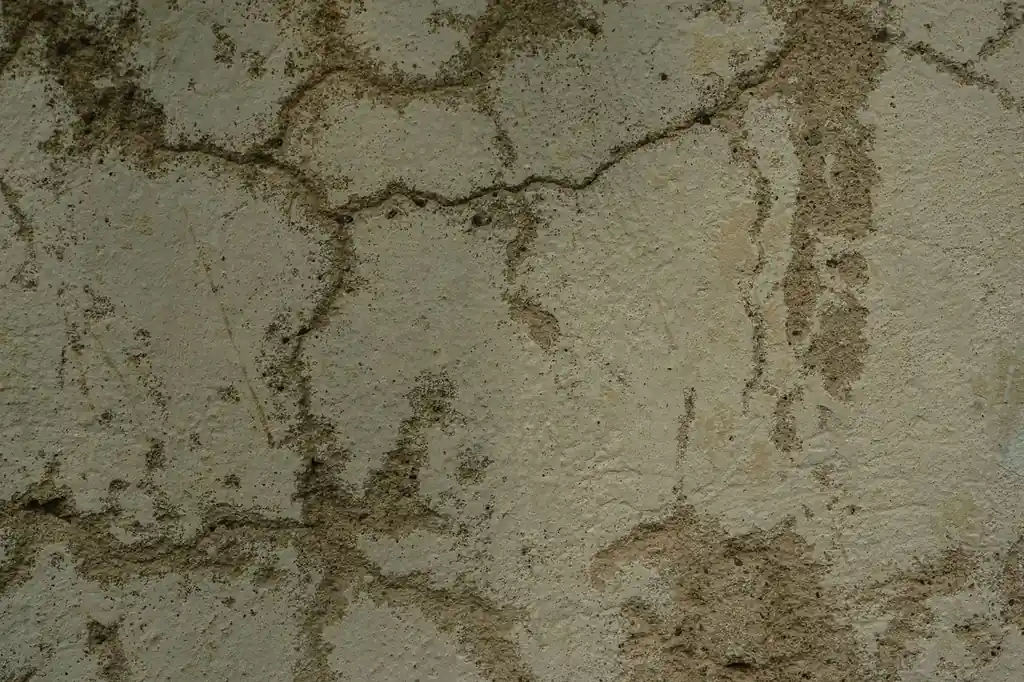
Every affected surface gets treated with EPA-registered disinfectant. Then we set air movers and dehumidifiers to dry the framing and concrete. We monitor with a hygrometer and moisture meter daily, adjusting equipment until readings match a dry standard for the material.
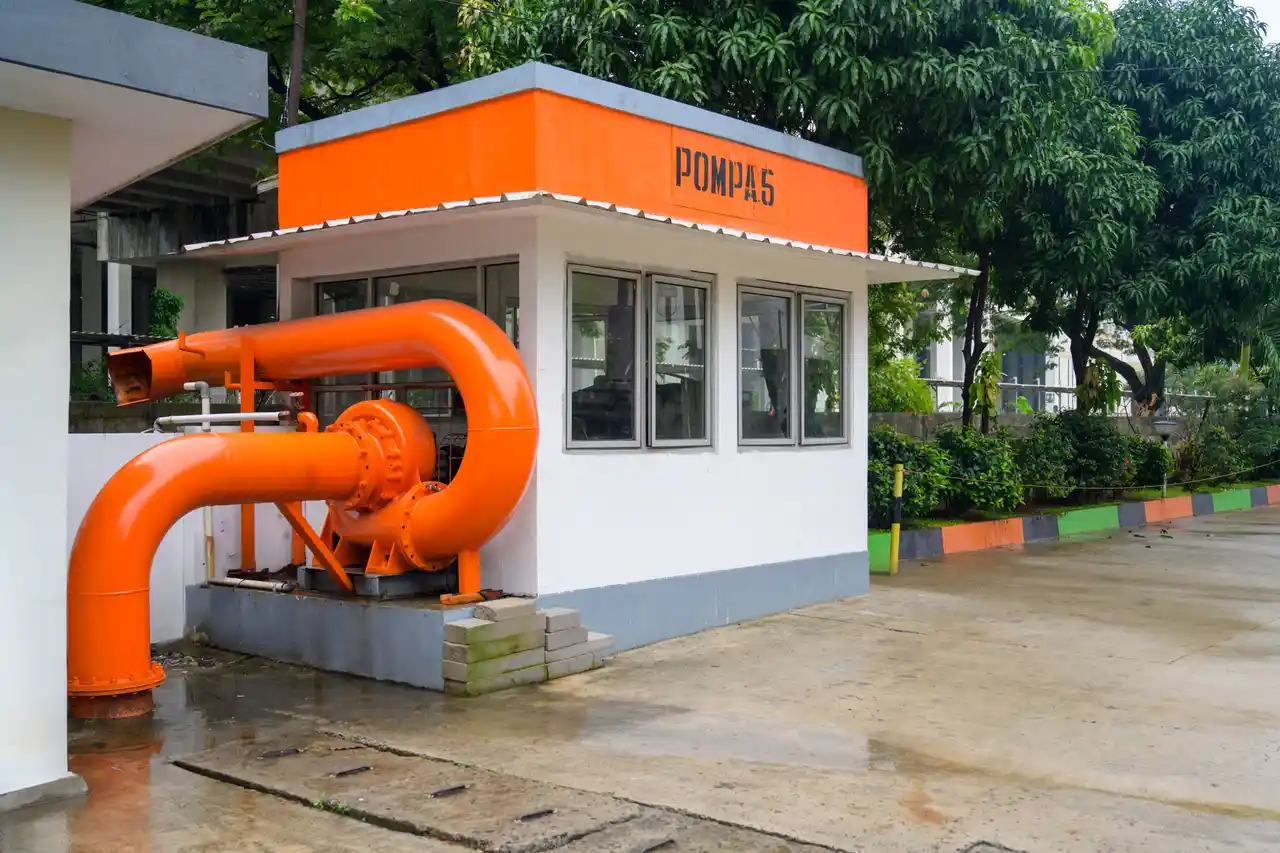
Before we remove equipment, we confirm moisture levels in walls, floors, and subfloor. You receive a photo log and moisture report for your records or insurance claim. If any material still reads wet, we leave equipment in place longer rather than closing up a damp wall.
Move across a circle, or focus it and press Enter, for an illustrative thermal view of the photograph.
Pulls large volumes of standing sewage out of carpet, concrete, and crawlspaces quickly. Fast extraction limits how far contamination spreads.
High-velocity air movers dry framing, subfloor, and concrete after disinfection. They are positioned based on moisture readings, not guesswork.
Remove moisture from the air so drying continues efficiently. We use Honeywell and Frigidaire units for smaller spaces and larger refrigerant dehumidifiers for basements.
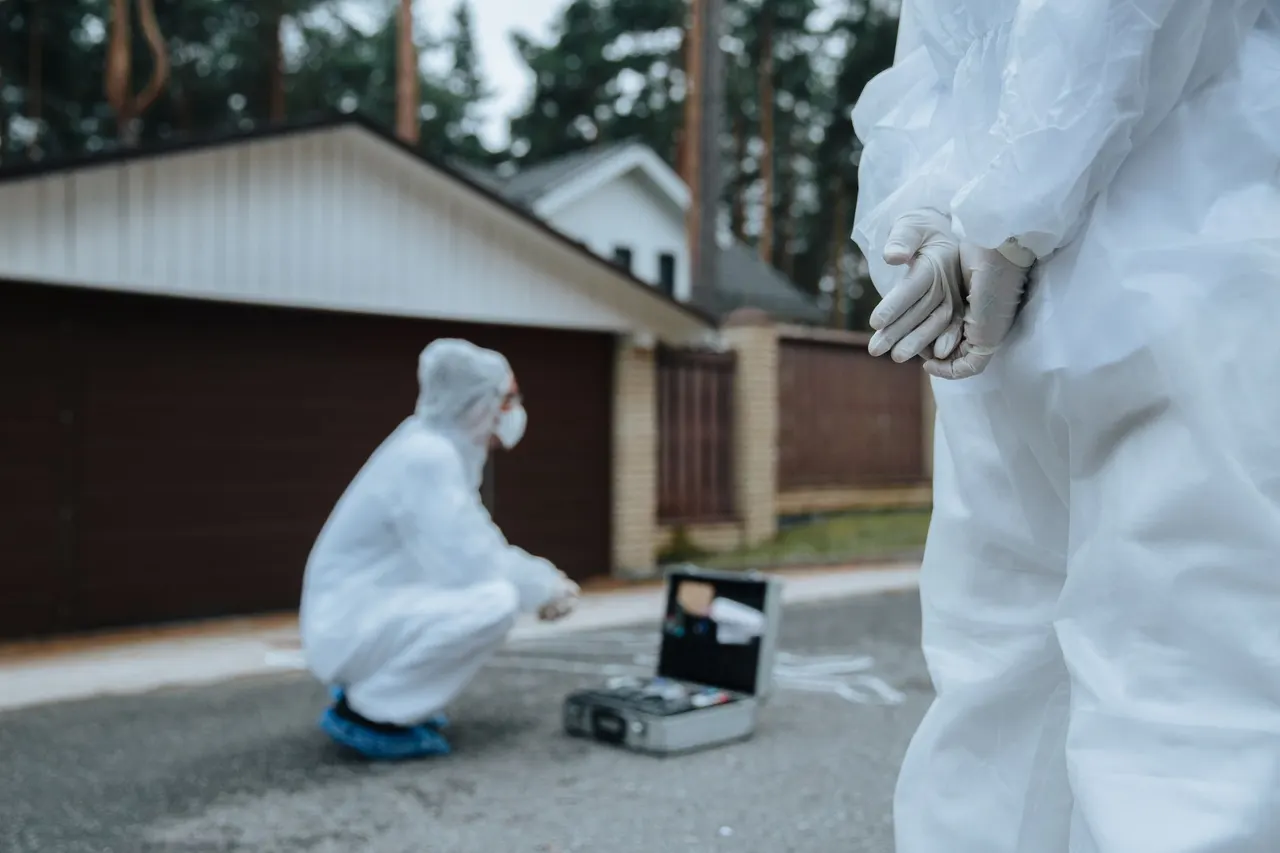
Find hidden moisture behind walls and under floors. These tools guide our drying plan and confirm when the structure is dry.
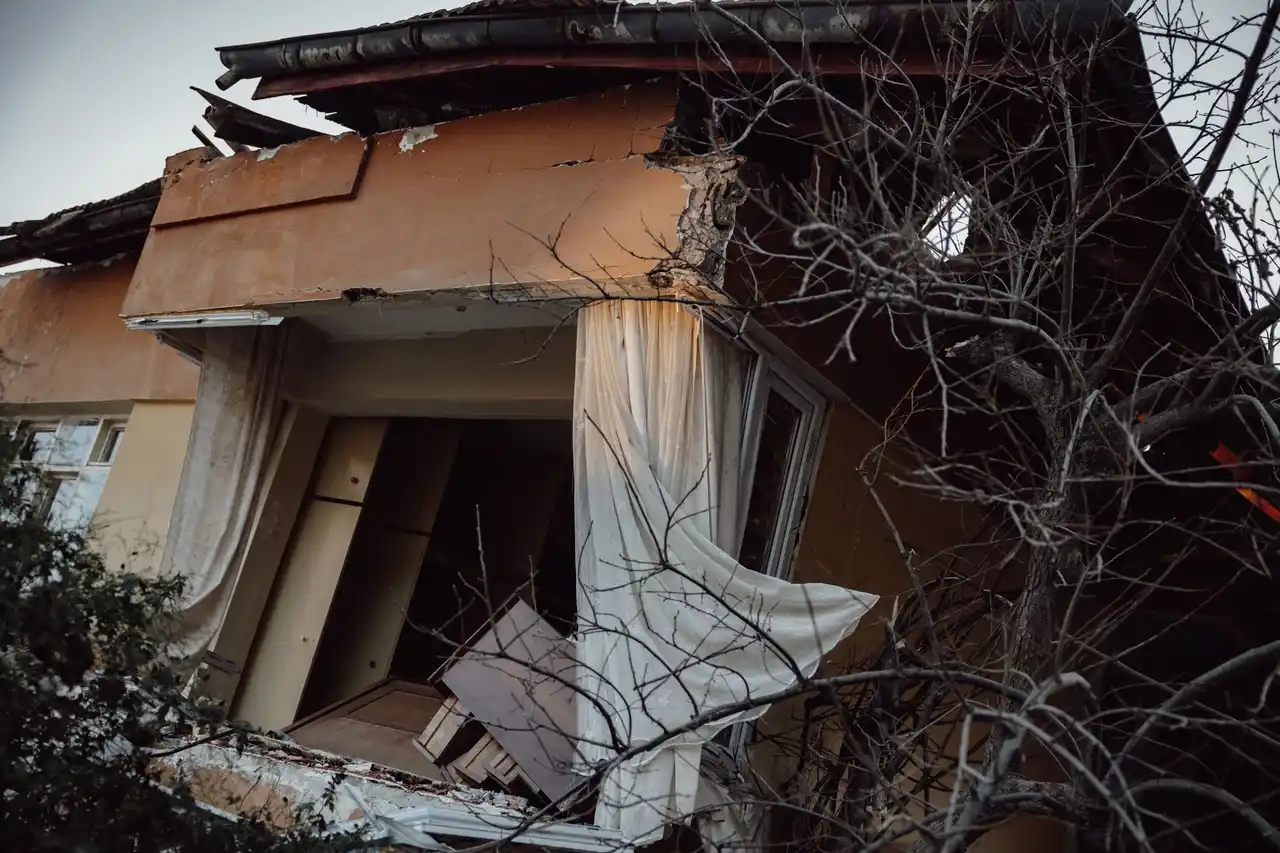
Inspect inside wall cavities and under flooring without unnecessary demolition. We use it to trace how far sewage contamination traveled.
Thermal views are illustrative, generated from the photographs.
Handle smaller volumes of contaminated water and transfer it to disposal. A sump pump helps when the basement has a collection pit.
The IICRC Water Restoration Technician standard guides our extraction, disinfection, and drying process. It defines how to handle Category 3 contaminated water and when materials must be removed rather than dried.
The Applied Microbial Remediation Technician protocol covers mold awareness and safe handling of contaminated materials. We apply it when a sewage backup has been sitting long enough for mold to begin.
We use disinfectants registered with the EPA for sewage-contaminated surfaces. That means the product is proven to kill bacteria and viruses commonly found in black water.
We record moisture readings daily with a moisture meter and hygrometer. Drying equipment stays in place until readings match the dry standard for each material type.
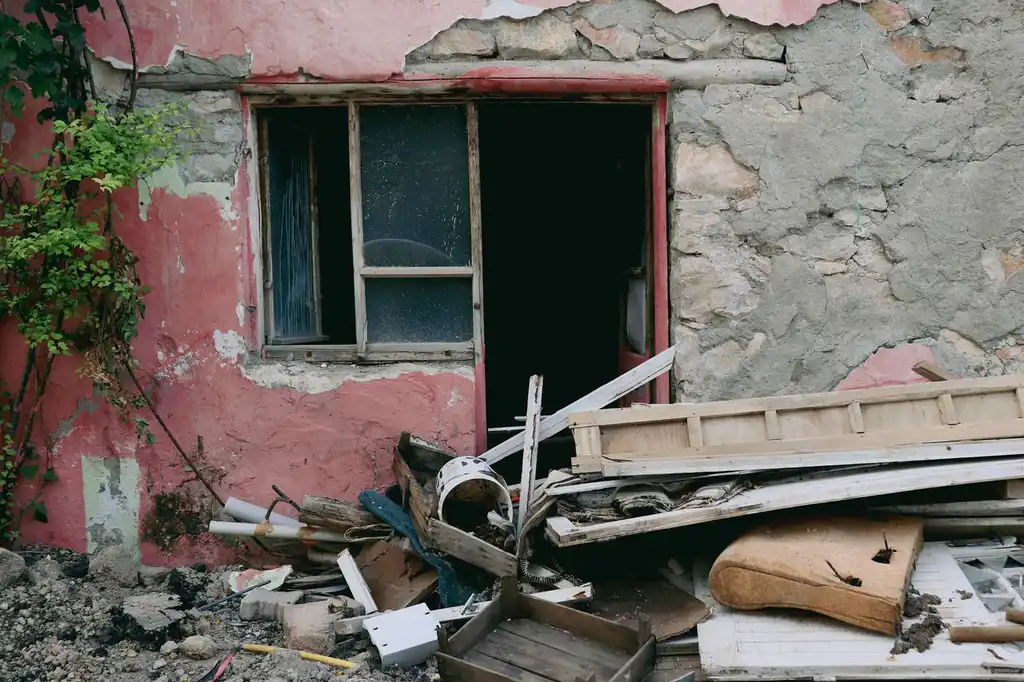
A storm overwhelms Wilmington's combined sewers and sewage backs up into your basement through the floor drain.
We arrive with extraction and containment equipment, remove the standing sewage, and check how far the contamination traveled. Porous materials are removed, hard surfaces are disinfected, and drying equipment is set.
Outcome: Your basement is dry, disinfected, and documented for insurance. You get a clear explanation of what caused the backup so you can talk to a plumber about prevention.
A toilet overflows on the second floor of your Trolley Square rowhome and sewage leaks through the ceiling below.
We extract the water on both floors, remove contaminated ceiling material and flooring, disinfect the framing, and dry the cavities. We use a moisture meter and thermal camera to confirm no hidden moisture remains.
Outcome: The contamination is removed, the structure is dry, and you have a report showing the moisture readings before repairs begin.
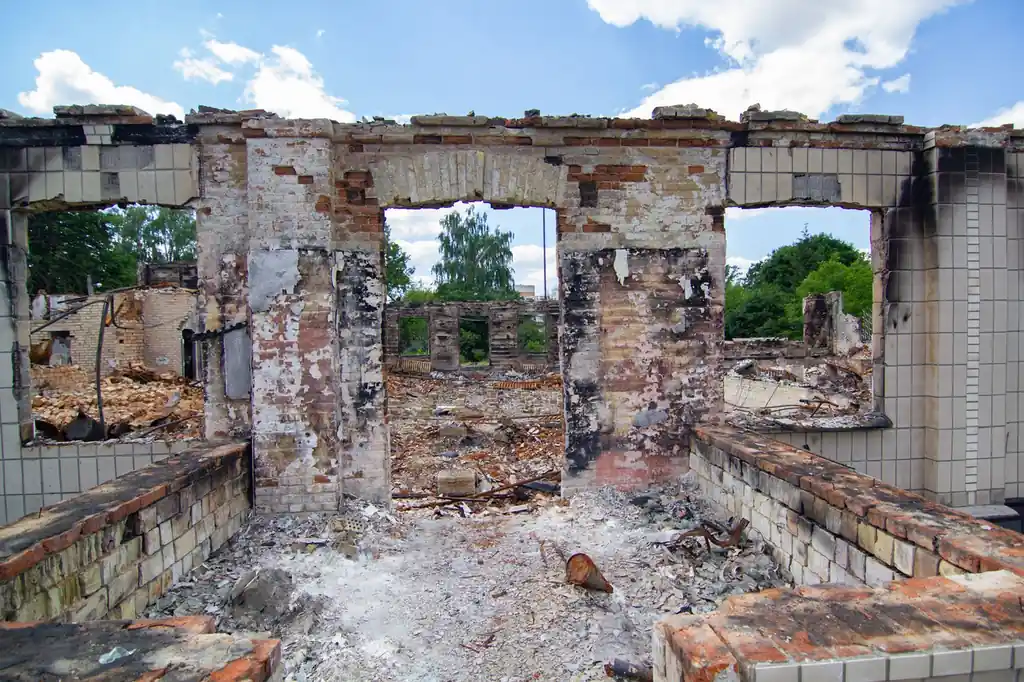
Your sump pump fails during a nor'easter and the basement fills with a mix of groundwater and sewage.
We treat the flood as contaminated water, extract it, remove soaked materials, disinfect all affected surfaces, and set commercial drying equipment. Daily monitoring ensures the space reaches dry standard.
Outcome: Your basement is safe and dry, and you know whether your sump pump needs replacement or a backup system.
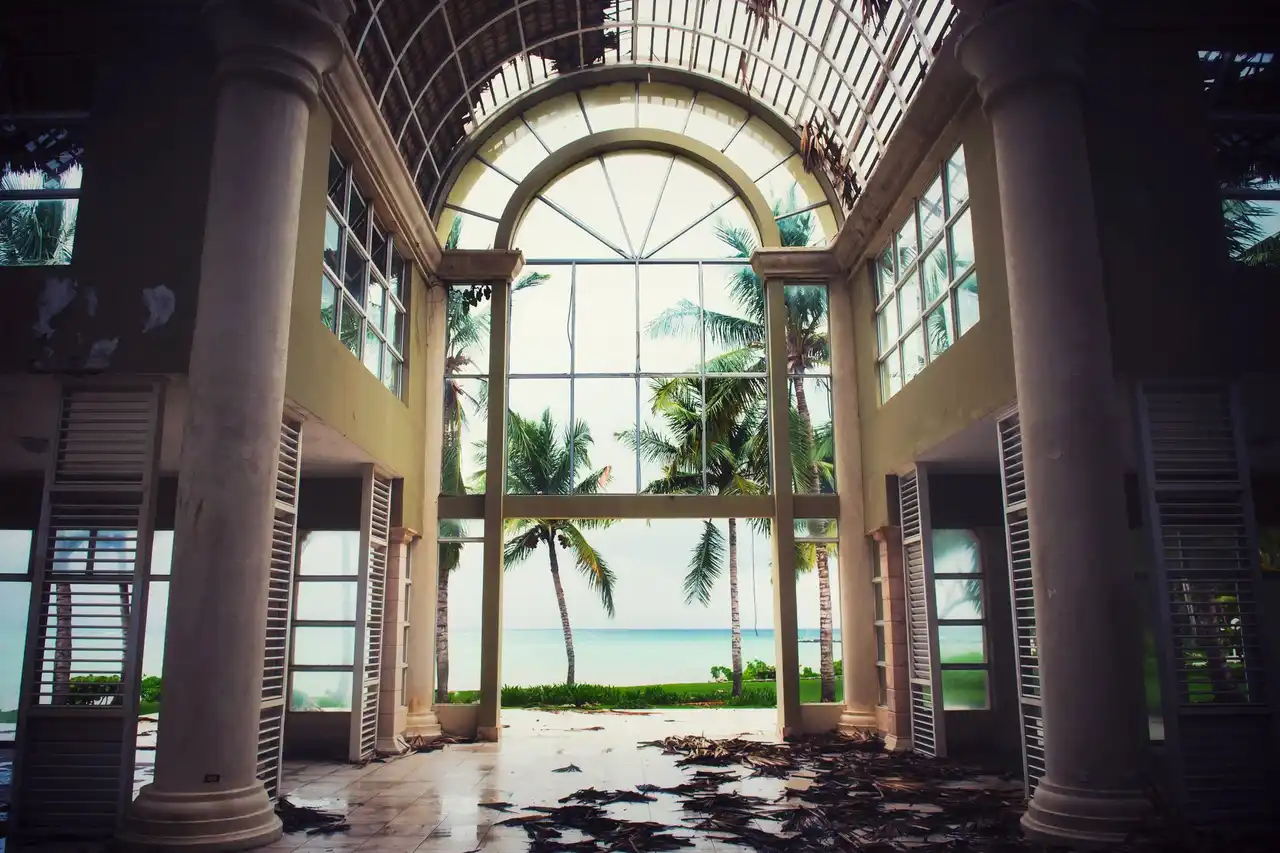
A commercial tenant calls about a sewage smell in a Riverfront retail space before opening hours.
We inspect with a moisture meter and camera, find the contamination source, and complete extraction, disinfection, and drying outside of business hours when possible.
Outcome: The space passes a health inspection and reopens without a sewage odor or visible contamination.
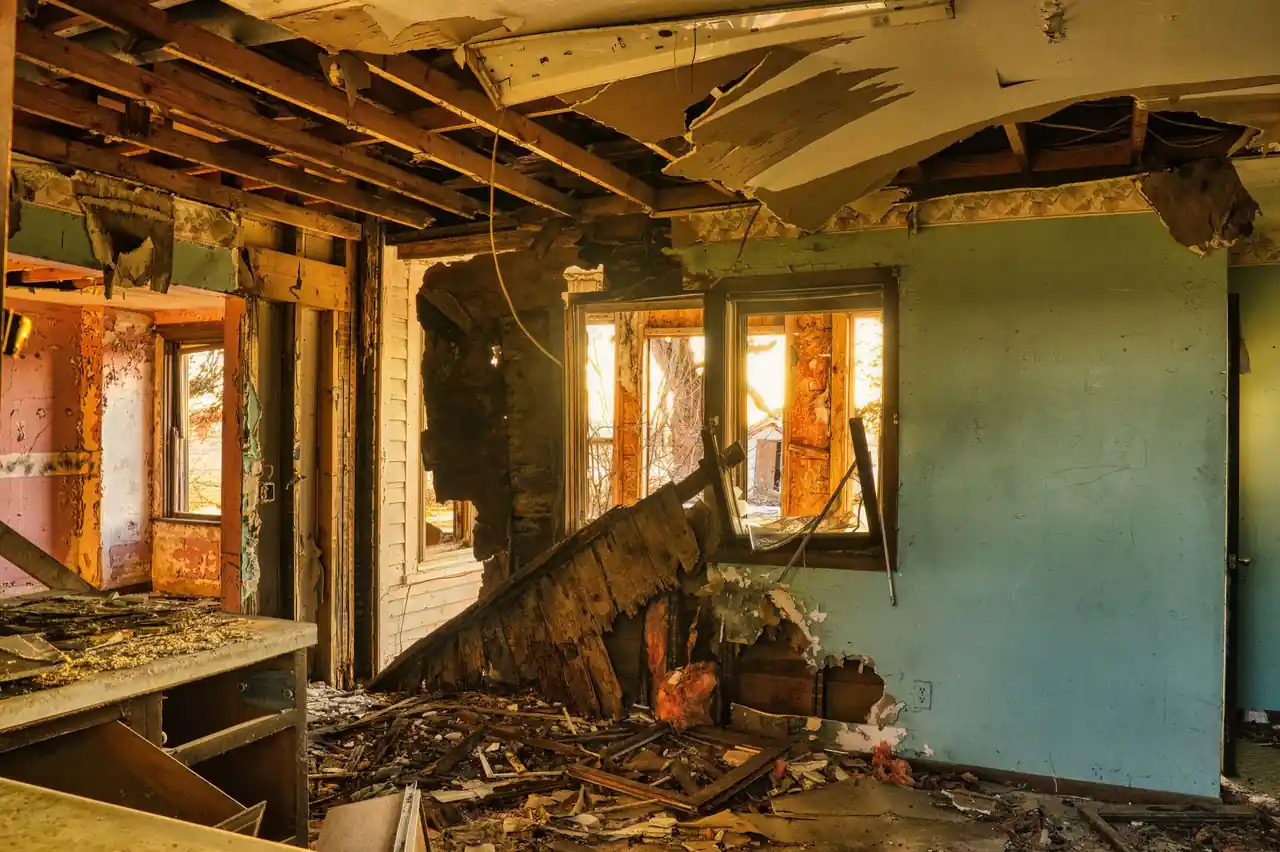
Wilmington's housing stock ranges from 19th-century rowhomes to mid-century builds, and both come with sewage backup risks. Older homes often have clay sewer laterals that crack or fill with roots, while newer properties can still flood when the combined storm-sewer system surcharges during heavy rain.
We work in basements, crawlspaces, and utility rooms across New Castle County, and we know that a Trolley Square rowhome may need a different extraction approach than a Riverfront commercial space. Our crews carry containment materials, EPA-registered disinfectants, and drying equipment sized for tight city spaces.
If you need sewage water removal and cleanup services in Wilmington Delaware, we can usually reach you the same day.
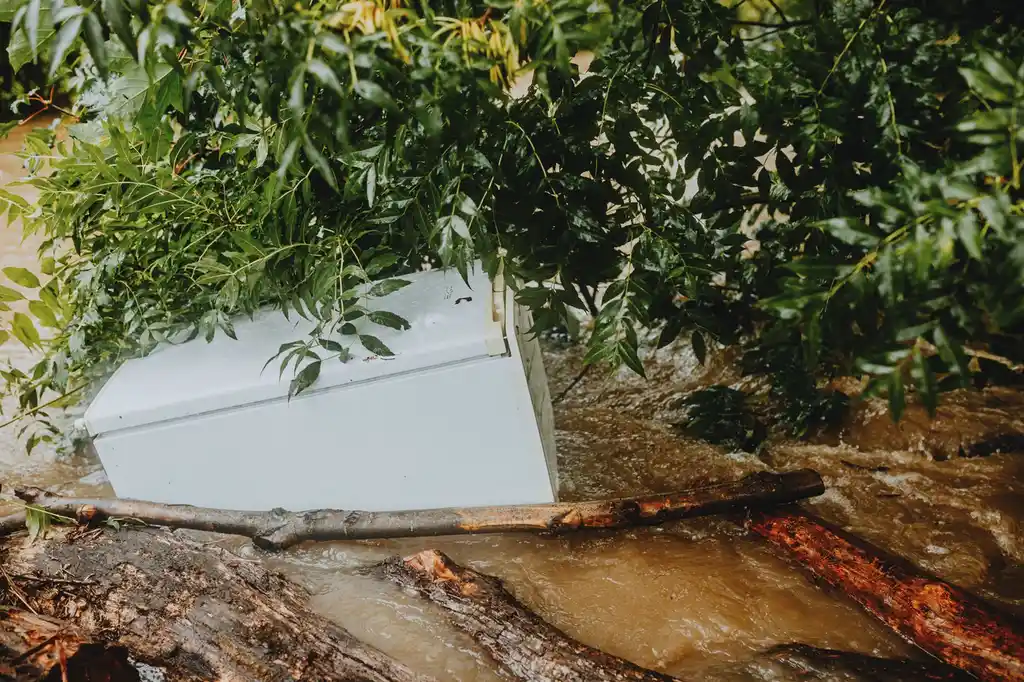
Before: A storm pushed sewage through the floor drain of a Trolley Square rowhome, soaking 400 square feet of carpet and wicking up the bottom 12 inches of drywall. The homeowner had tried to mop it up, but the smell returned within a day.
After: We extracted the standing water, removed the carpet, padding, and affected drywall, disinfected the concrete and framing, and dried the space in four days. Moisture readings confirmed the structure was dry before we removed equipment.
The homeowner had a backwater valve installed on the lateral line and now keeps a moisture meter in the basement to check after heavy rain.
Before: A failed sump pump left six inches of groundwater and sewage in a finished basement. The carpet, padding, and lower drywall were saturated, and the homeowner was worried about mold.
After: We treated the flood as contaminated water, extracted it, removed the affected materials, disinfected all surfaces, and dried the basement in five days. The homeowner received a moisture report showing dry standard was reached.
We recommended a battery-backup sump pump and a yearly test before storm season. The homeowner now checks the pump every spring.
Before: A sewage backup in a Riverfront retail space left 200 square feet of contaminated flooring and a strong odor. The business needed to reopen quickly without a health-code issue.
After: We worked after hours to extract, remove the affected flooring, disinfect the concrete, and dry the space. The job was completed in three days, and the space passed a health inspection before reopening.
The property manager scheduled annual sewer line inspections and added a backwater valve to the building's main line.
Sewage backups create health hazards, structural damage, and insurance headaches. Here are the most common problems we handle for Wilmington property owners.
A dry, disinfected space and documentation for your records.
We seal off the affected room with plastic sheeting and negative air pressure before extraction begins. That keeps sewage-contaminated dust and moisture out of your kitchen, bedrooms, and HVAC system. In a Trolley Square rowhome, that containment is often the difference between one damaged room and a whole-floor tear-out.
Every surface touched by black water gets cleaned with EPA-registered disinfectant. We follow IICRC WRT and IICRC AMRT standards for contaminated water, which means porous materials like drywall and carpet padding are removed, bagged, and disposed of properly rather than dried in place.
After extraction, we set Dri-Eaz and Phoenix Restoration Equipment air movers and dehumidifiers to pull moisture out of framing, subfloor, and concrete. A moisture meter and thermal imaging camera confirm the structure is dry before we pack up. Most Wilmington basements reach dry standard in three to five days.
We photograph the loss, log moisture readings, and provide a scope of work your adjuster can use. That paperwork speeds up claims for sewage backup water damage cleanup Wilmington Delaware jobs and reduces the back-and-forth that delays repairs.
What a written scope covers and what shapes it. Prices are set by the business after the first look.
Included
Depends on
Clear records you can keep and share.
Images of affected areas before and after
Daily readings showing drying progress
Written summary of work performed
Note of materials removed and disposed
Sewage is Category 3 water, the most contaminated type. It requires removal and disinfection, not just drying.
Clean water from a supply line
Gray water with some contamination
Black water from sewage
A list like this tells people straight away whether you cover their street. Not listed? Call and ask: it only takes a minute.
Based in Wilmington and covering the places around it. Pick one for local details.
We provide a written scope before work begins so you know what is included.
Yes. Sewage is Category 3 black water and can carry E. coli, salmonella, hepatitis, and parasites. Any surface it touches is considered contaminated. That is why we remove porous materials like carpet and drywall rather than drying them in place, and why we disinfect every hard surface with EPA-registered products before drying.
Extraction and disinfection usually take one day. Drying typically runs three to five days depending on humidity, material type, and how much water soaked into the structure. We monitor daily with a moisture meter and do not remove equipment until readings confirm the space is dry. You get a final report when the job is complete.
Many homeowner policies cover sewage backup only if you added a sewer backup endorsement. Without it, the loss may be excluded. We document the damage with photos and moisture readings and provide a scope your adjuster can review. If your policy covers it, that paperwork helps move the claim forward. We recommend calling your carrier while we handle the cleanup.
Other services from the same team.
Sewage spreads fast and mold follows within 48 hours. Call Wilmington AquaRestore at (302) 775-0748 for emergency sewage backup cleanup Wilmington DE. We will dispatch a crew, contain the contamination, and start extraction so your home or business can begin to dry.
Call (302) 775-0748 any time, day or night. If you prefer email, send photos and details to [email protected] and we will follow up with next steps.