For homes
A bathroom overflow can soak a subfloor or the ceiling below within hours. We extract the water and dry the structure before mold starts.
- Upstairs bathroom overflow
- Wax ring or supply line leak
- Sewage backup after a storm
Toilet Overflow Cleanup Wilmington DE starts with stopping the source and pulling standing water out of your bathroom, hallway and ceiling below. We handle the mess, the moisture and the smell, then dry everything to IICRC standards so mold never gets a foothold. If you are searching for toilet overflow cleanup near me Wilmington, our crew is ready to roll.
 Shut the supplyExtract standing waterCheck the ceiling below
Every toilet overflow job is a little different, but the core scope is the same. Here is what is included when we roll up, and what we handle as an add-on if the damage is bigger than it first looked.
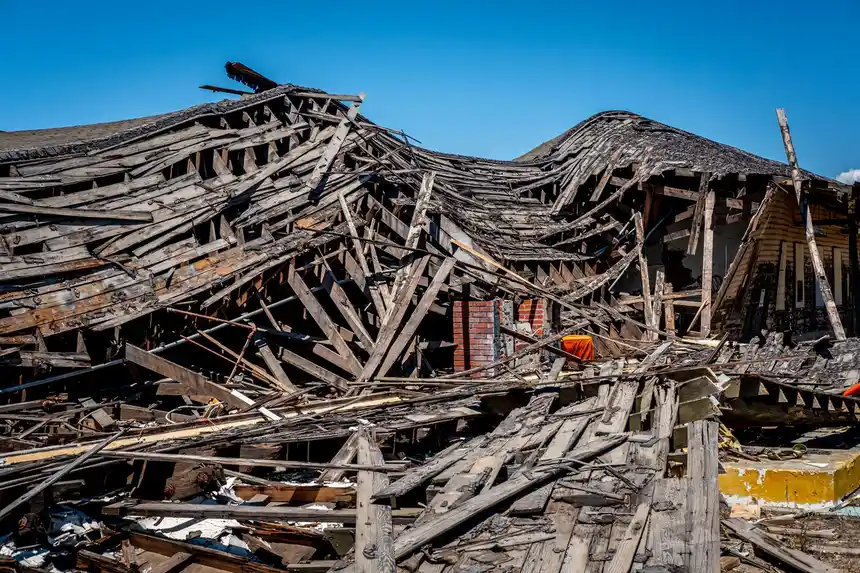
We shut the supply, confirm the overflow has stopped, and inspect the bathroom, hallway and ceiling below with a moisture meter and thermal imaging camera. You see what we find before we start pulling water.
Truck-mounted water extraction units and wet/dry vacuums remove standing water from tile, grout, vinyl and any flooring that can be saved. We extract until the surface is dry to the touch and the meter agrees.
Sewage-affected drywall, laminate, padding and baseboard get bagged and hauled out. We do not leave contaminated materials in your home or on the curb. Disposal is part of the job, not an extra.
After extraction, we treat affected surfaces with an antimicrobial to slow bacterial growth. This is standard on Category 3 water like toilet overflow, and it is what makes the space safe to use again.
Air movers and dehumidifiers run for two to four days. We return daily to log readings with a hygrometer and infrared thermometer, adjust the equipment, and confirm the structure is dry to IICRC S500 standards.
You get photos of the loss, daily moisture readings and a summary of what was removed and dried. This is the documentation your insurance adjuster asks for, and it is yours to keep.
The approach is the same for a home and a business. What changes is the access, the schedule and who needs the paperwork.
A bathroom overflow can soak a subfloor or the ceiling below within hours. We extract the water and dry the structure before mold starts.
A restroom overflow disrupts customers and staff, and it needs a clean record. We contain the area, extract, sanitize and document the loss.
A plain-language look at what Toilet Overflow Cleanup involves and when it is needed.
See how it worksToilet Overflow Cleanup Wilmington DE is the process of stopping the water source, extracting standing sewage or supply water, sanitizing contaminated surfaces and drying the structure so mold cannot grow. It is not a mop-and-bucket job. A single overflow can push 5 to 15 gallons across tile, grout and subfloor in minutes, and that water wicks into baseboards, drywall and the ceiling below. We use a moisture meter, thermal imaging camera and hygrometer to map where the water actually went, then extract it with a water extraction unit and wet/dry vacuum.
Most calls we get in Wilmington come from a clogged main line, a failed flapper, a wax ring that gave out, or a supply line that let go behind the tank. In older homes around The Highlands and Brandywine Village, cast iron and original copper pipe are common, and a toilet overflow water removal Wilmington DE job often turns into a plumbing leak repair at the same time. If you need same day toilet overflow cleanup Wilmington DE, call before the water reaches the ceiling below.
Stop the water, extract what is there, and dry the structure before mold starts.

Every job follows the same five steps, whether it is a small bathroom overflow in Trolley Square or a multi-floor loss in a Riverfront condo. You will know what is happening and why at each stage.
You call (302) 775-0748 and describe what happened. We ask whether the water is still running, whether it is clean supply water or sewage, and how far it has spread. We tell you to shut the supply valve and avoid using the toilet. A tech is dispatched with the right equipment for your situation.
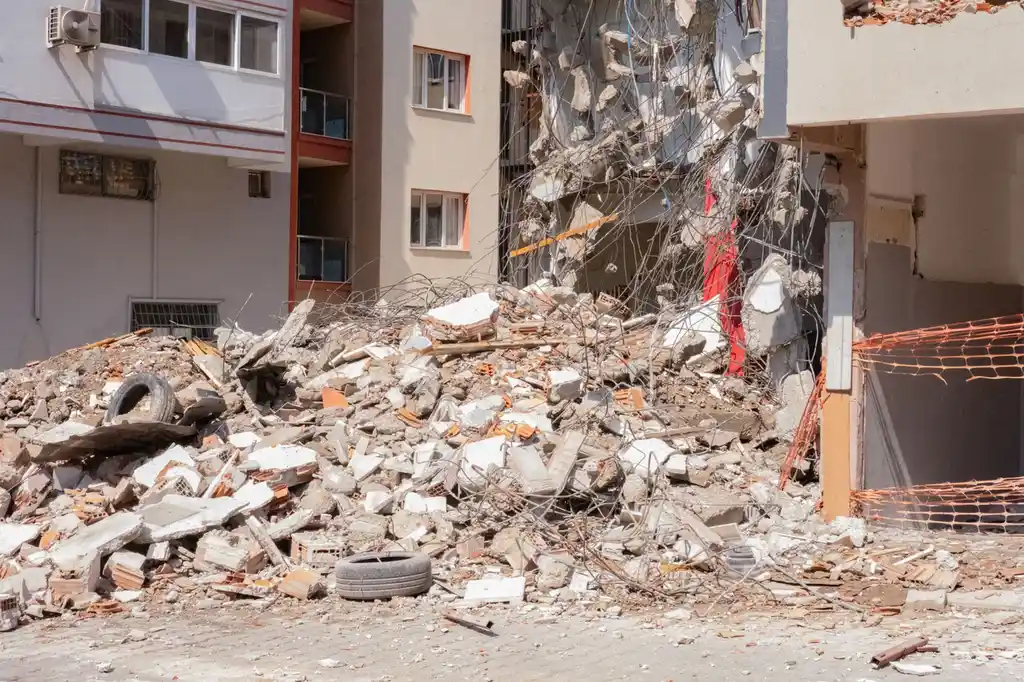
On arrival we walk the space, check the bathroom, the hallway and the ceiling below, and use a moisture meter, thermal imaging camera and boroscope camera to find hidden water. We show you what we find. This step takes 15 to 30 minutes and tells us exactly how much drying equipment the job needs.
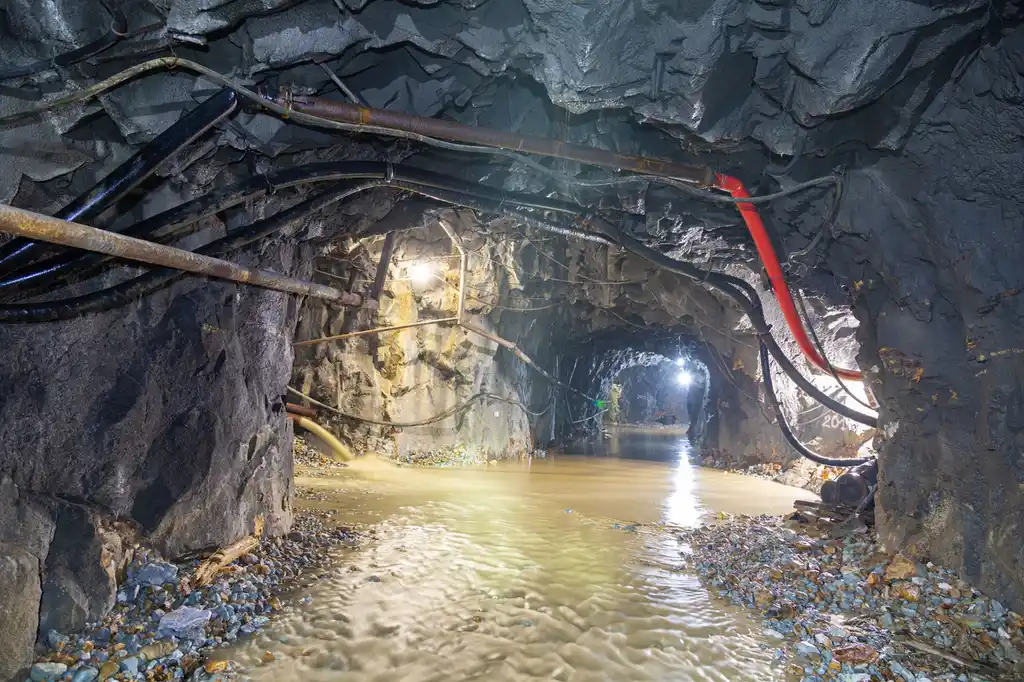
We extract standing water with a water extraction unit and wet/dry vacuum, then remove unsalvageable materials like soaked drywall, laminate or padding. Contaminated debris is bagged and hauled out. This is the heaviest part of the job and usually runs one to three hours depending on volume.
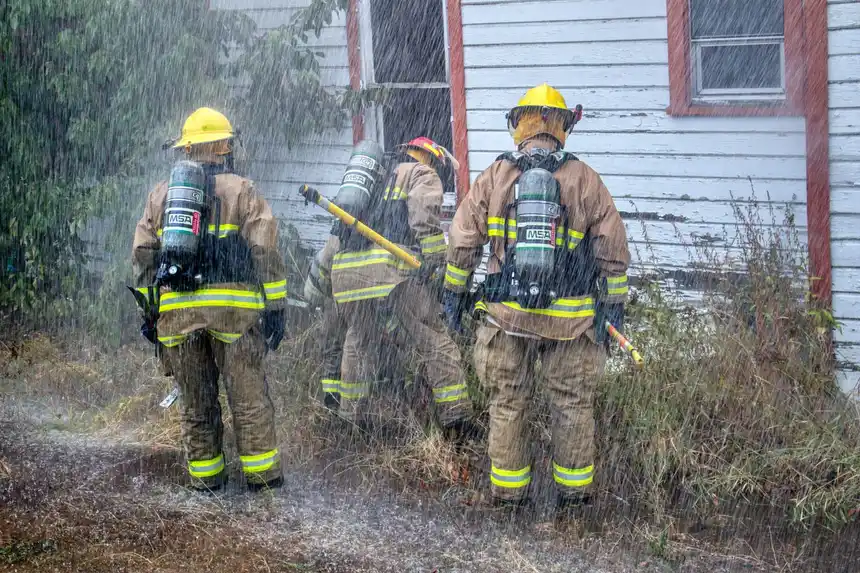
We set air movers and dehumidifiers in a pattern that pulls moisture out of the floor, walls and ceiling cavity. Equipment runs 2 to 4 days. We return each day to check readings with a hygrometer and infrared thermometer, adjust equipment, and log the numbers until the structure is dry.
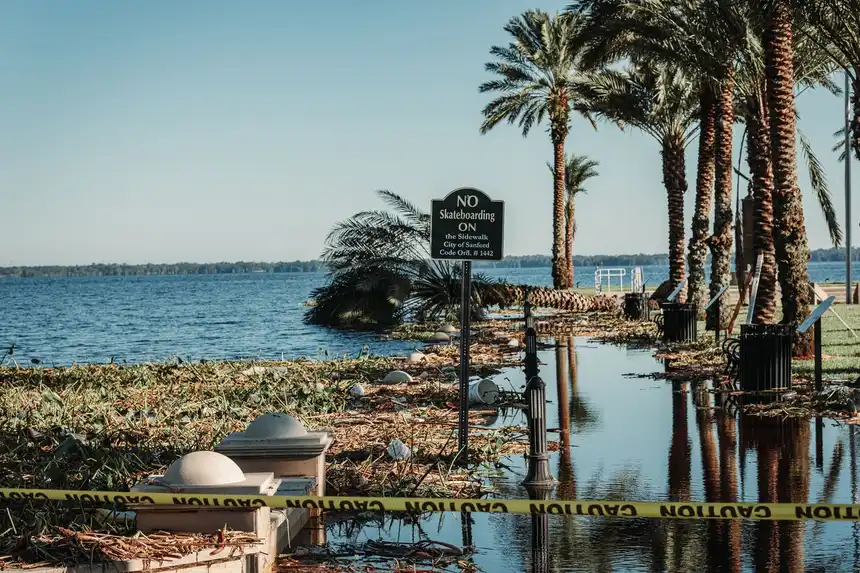
You get a photo report and drying log. We do not leave until the bathroom is usable and the moisture readings are where they should be.
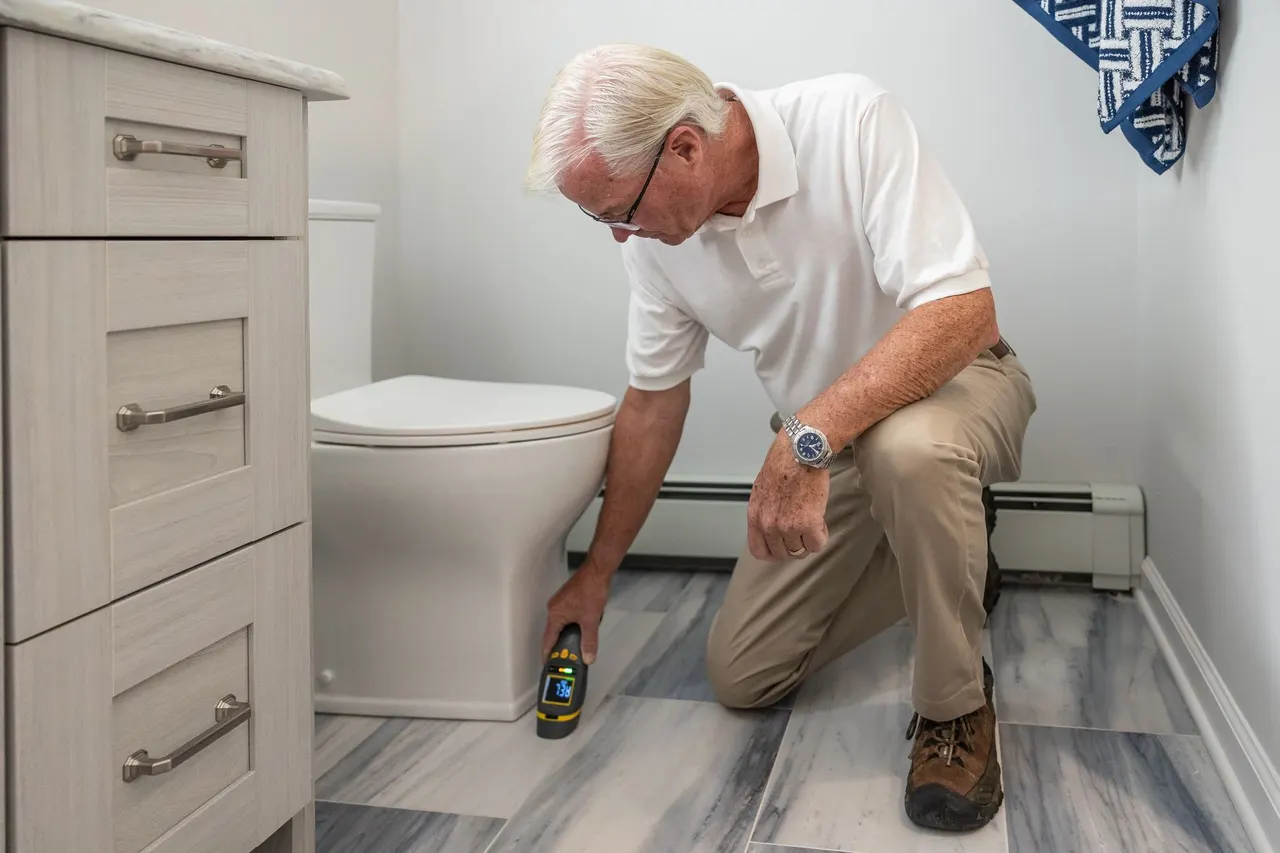
Move across a circle, or focus it and press Enter, for an illustrative thermal view of the photograph.
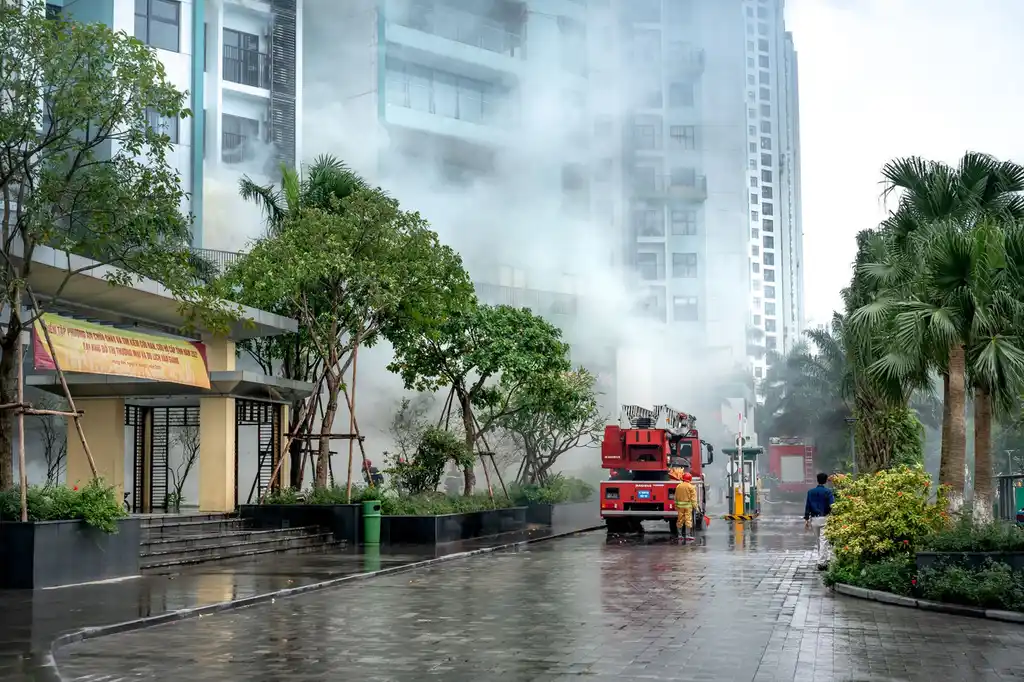
Used to measure moisture content in drywall, wood and subfloor, and to track humidity in the air. These readings tell us when the structure is actually dry, not just dry to the touch.
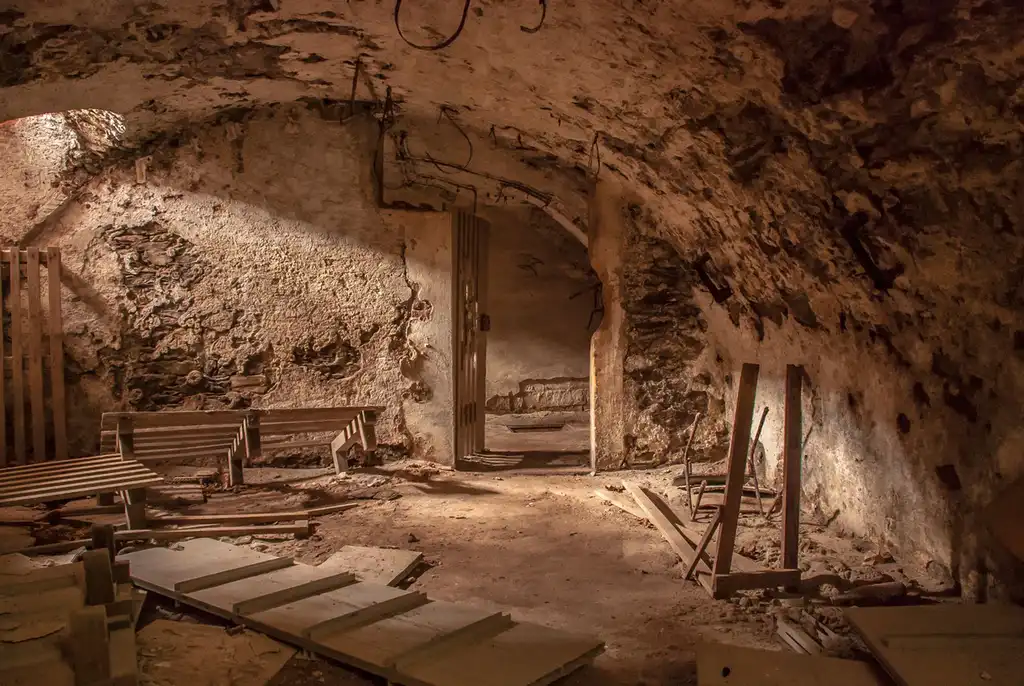
Finds hidden moisture behind walls and under floors by reading temperature differences. It is how we catch water that traveled past the bathroom without leaving a visible stain.

Pulls standing water out of carpet, tile, grout and hard-to-reach areas. Truck-mounted units remove far more water than a shop vac, which shortens drying time.
Dri-Eaz and Phoenix Restoration Equipment air movers and dehumidifiers circulate air and pull moisture out of the structure. They run for two to four days with daily monitoring.
Lets us look inside wall cavities and under floors without tearing everything open. We use it to confirm whether water reached the framing behind the baseboard.
Thermal views are illustrative, generated from the photographs.
Checks surface temperatures to spot cool areas that suggest trapped moisture. It is a fast way to confirm what the thermal camera shows.
We follow the IICRC S500 standard for water damage restoration, which sets the drying goals and documentation requirements for a job. It is why we log readings daily instead of guessing when the space is dry.
Toilet overflow water is treated as Category 3, meaning it is contaminated. We contain the area, wear PPE, bag affected materials and dispose of them properly. This protects your family and your home.
Every day the equipment runs, we record readings with a moisture meter and hygrometer. You get the log at the end. It shows the drying curve and supports your insurance claim.
Many Wilmington homes were built before 1978, so we use EPA Lead-Safe work practices when we remove drywall or other painted materials. This keeps dust contained and the job compliant.
A toilet overflows at 2 a.m. and water is running into the hallway before you wake up.
Call (302) 775-0748 and we dispatch a tech with extraction equipment. While you wait, shut the supply valve and keep everyone out of the water. We extract, sanitize and set drying equipment the same visit.
Outcome: Standing water is gone within hours, and the hallway and bathroom dry without warped flooring or a mold problem.
You come home from a weekend away and find a toilet has been leaking into the ceiling below.
We inspect the ceiling and wall cavity with a moisture meter and thermal camera, extract any remaining water, remove unsalvageable drywall, and dry the framing. We document everything for your claim.
Outcome: The ceiling is dried and repaired, and you have a photo report that supports your insurance filing.
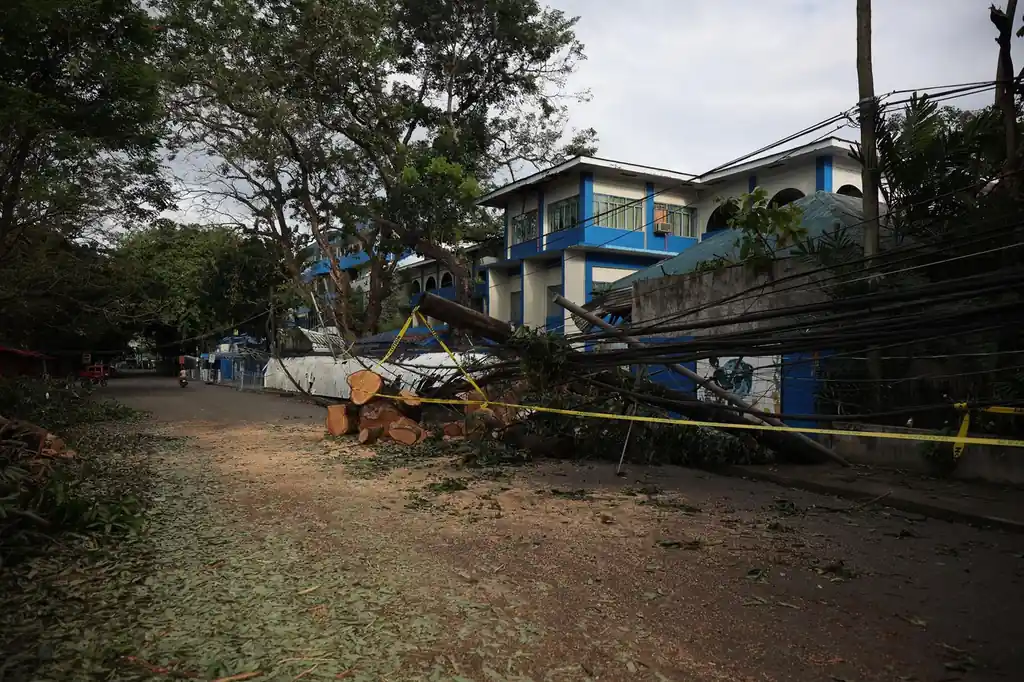
A commercial restroom backs up during business hours and customers are on site.
We contain the restroom, extract and sanitize, and work around your operating hours. Equipment is placed to dry the area without blocking access to the rest of the building.
Outcome: The restroom is back in service quickly, and you have documentation for your property manager and insurer.

Heavy rain causes a sewer surcharge and the lowest toilet in the house overflows.
We treat it as contaminated water, contain the area, extract, remove affected materials and sanitize. We also check the sump pump and liner while we are there.
Outcome: The contaminated water is gone, the space is sanitized, and the sump system is checked so the next storm does not repeat the problem.
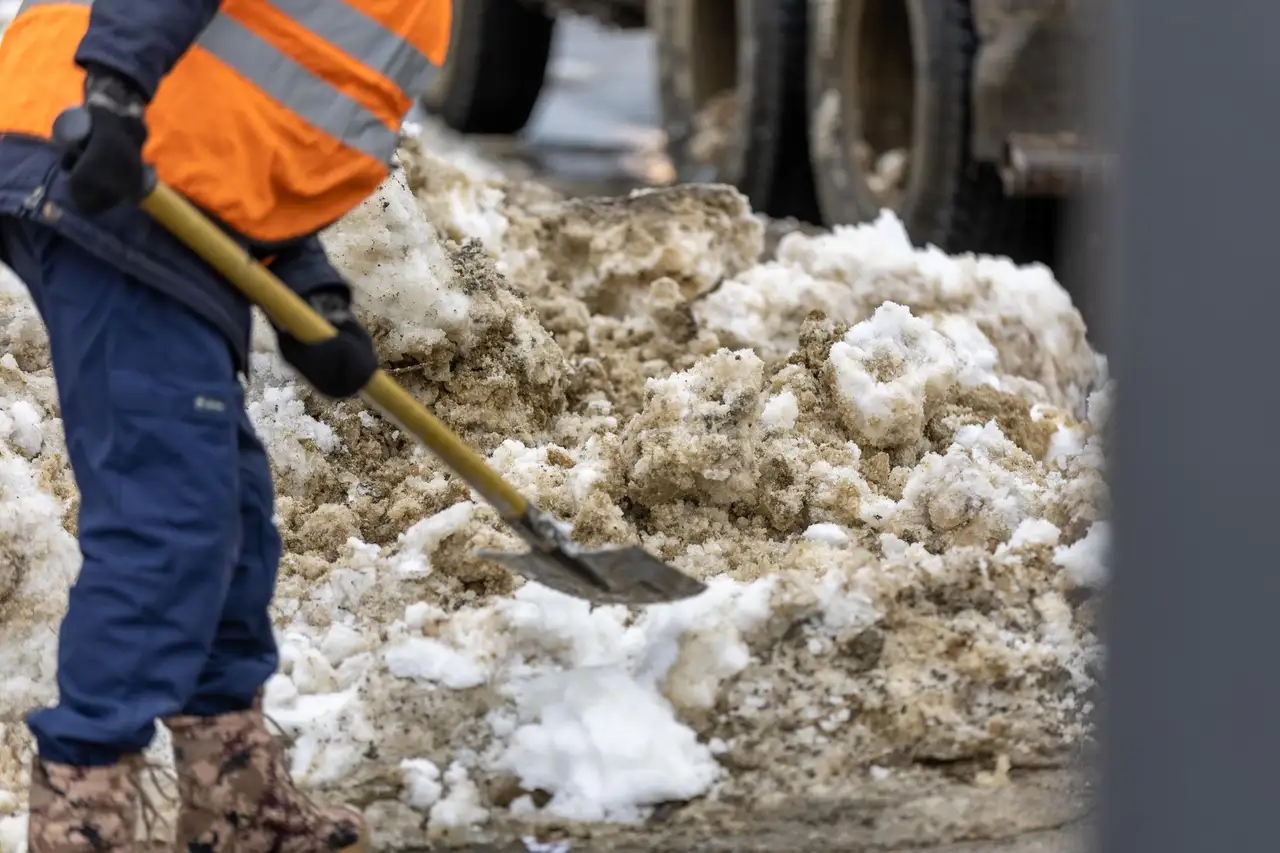
Wilmington's housing stock is a big part of how these jobs go. Row houses in Hedgeville and Southbridge often share walls, so water from an upstairs bathroom can travel sideways into a neighbor's unit before it shows up on your ceiling.
Older homes around The Highlands and Wawaset Park still have original cast iron drains and copper supply lines, and a toilet overflow water damage cleanup Wilmington Delaware job there often turns into a plumbing repair at the same time. Winter is the other factor. When temperatures drop into the teens, unheated bathrooms and crawlspaces freeze, and a thawed supply line can spray for hours before anyone notices.
We keep pipe insulation and heat tape recommendations ready for those calls. Summer brings heavy rain and sewer surcharges, which is when we see the most 24 hour toilet overflow cleanup Wilmington Delaware requests. ZIP codes 19802, 19806 and 19809 are our most common overflow calls, but we cover the whole city.
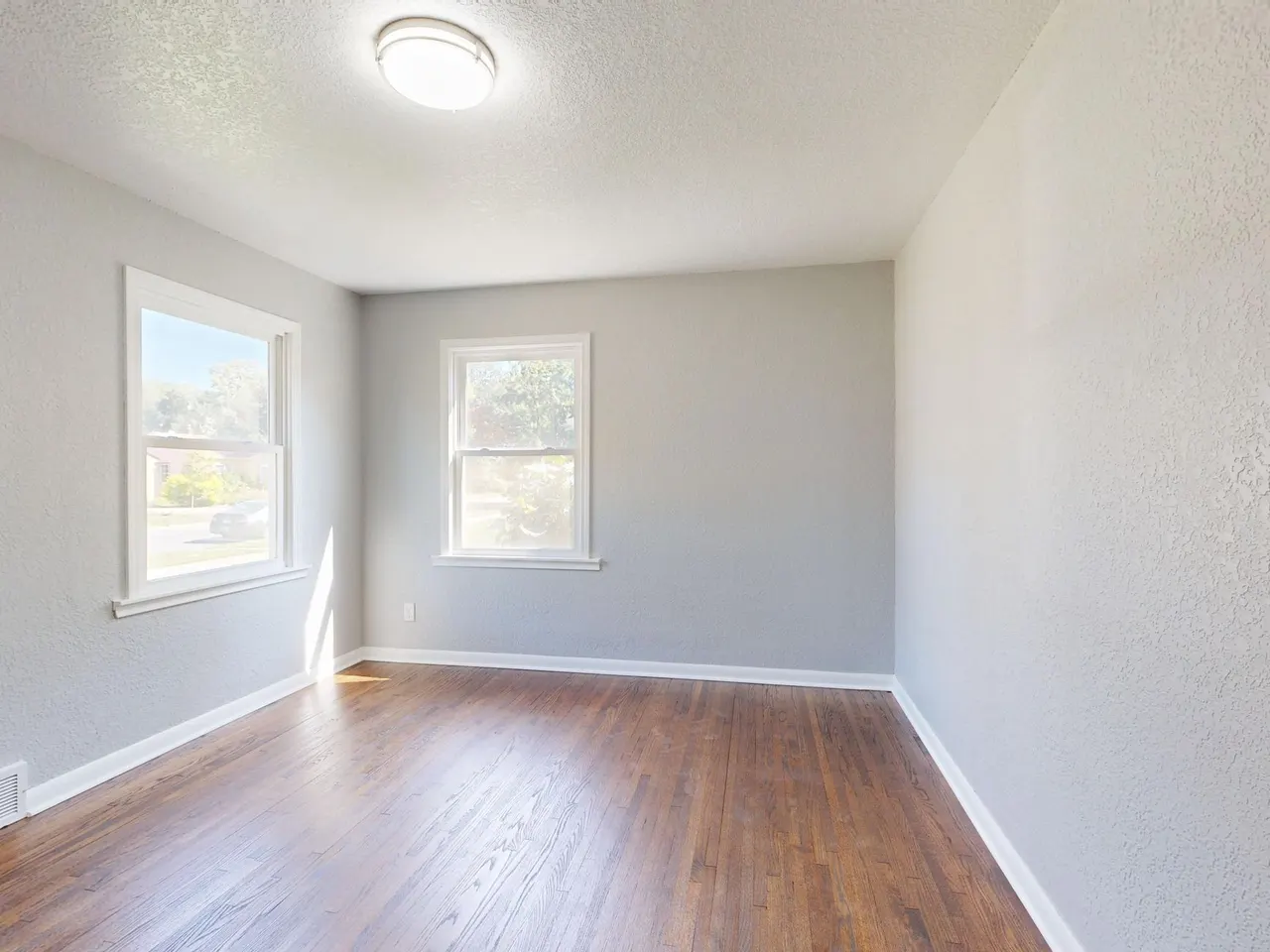
Before: A second-floor toilet overflowed overnight in a Trolley Square rowhouse. Water ran through the floor and stained the kitchen ceiling below. The homeowner found it at 6 a.m. with a wet ceiling and a puddle on the tile.
After: We extracted 8 gallons of standing water, opened a 2-foot section of ceiling drywall, and dried the joists and subfloor for three days. Readings returned to dry standard, and the ceiling was patched and painted.
Replace the wax ring if it is more than 10 years old, and check the supply line behind the toilet twice a year for cracks or moisture.
Before: Heavy rain caused a sewer surcharge and the lowest toilet in the house overflowed with contaminated water. It spread across the bathroom tile and into the hallway carpet before the homeowner called.
After: We contained the area, removed the affected carpet and padding, extracted the remaining water, and sanitized with hospital-grade products. Drying equipment ran for four days. The hallway was re-carpeted after readings confirmed dry.
Have the sump pump and liner checked each spring, and keep a backwater valve on the lowest drain to reduce surcharge risk.
Before: A wax ring had been leaking for weeks in an older home. The homeowner noticed a musty smell and a soft spot near the base of the toilet. A moisture meter showed the subfloor was saturated across a 4-foot area.
After: We removed the toilet, extracted water from the subfloor, dried the area for three days, and treated the framing. The plumber replaced the wax ring and reset the toilet. Readings came back dry and the odor cleared.
Watch for a rocking toilet or water stains around the base.
A toilet overflow is rarely just a wet floor. These are the problems we see most often on Wilmington calls, and what happens if they are left alone.
Fast extraction and documented drying keep a small overflow from becoming a mold job.
We extract standing water the same visit, usually within 60 to 90 minutes of arrival. Truck-mounted water extraction units and wet/dry vacuums pull the bulk of it, then air movers and dehumidifiers start drying the cavity. Getting water out fast is the single biggest factor in whether you replace a floor or just dry it.
Mold can begin colonizing wet drywall and wood within 24 to 48 hours. We treat affected surfaces with an antimicrobial, set drying equipment, and monitor with a moisture meter and hygrometer until readings match a dry standard. That is how a bathroom toilet overflow cleanup Wilmington Delaware job stays a cleanup instead of becoming mold remediation.
A toilet overflow is Category 3 water when it comes from the bowl, which means it carries bacteria and needs proper containment and disposal. Our crew wears PPE, bags contaminated debris, and sanitizes the area. We do not leave sewage-soaked materials in your home or in a curb pile for you to deal with.
We photograph the loss, log moisture readings, and document affected materials so your claim is easy to file. Most homeowner policies cover sudden toilet overflow water damage cleanup Wilmington Delaware when it is accidental. We give you the records your adjuster asks for and explain what we found in plain language.
What a written scope covers and what shapes it. Prices are set by the business after the first look.
Included
Depends on
Clear records you can keep and share.
Images of the loss before and after
Daily moisture readings recorded
What was removed and dried
What ran and for how long
Where the water came from changes how we handle the job and what can be saved.
From a supply line or tank
From a sink or appliance
From the bowl or drain
A list like this tells people straight away whether you cover their street. Not listed? Call and ask: it only takes a minute.
Based in Wilmington and covering the places around it. Pick one for local details.
Small bathroom overflows that stay on tile often land near the low end. Jobs that reach the ceiling below, soak drywall or involve sewage water push toward the higher end because of containment, disposal and extra drying days. We give you a written price before we start.
Shut the supply valve behind the toilet, stop flushing, and keep everyone out of the water. If it is sewage, wear gloves and do not use a household vacuum. Call us at (302) 775-0748 and we will walk you through containment while a tech is dispatched. Do not run a box fan over sewage water, because that spreads bacteria.
Extraction and sanitizing usually take two to four hours on site. Drying equipment then runs two to four days, and we check readings daily. A small tile bathroom can be dry in 48 hours. A job that reached the ceiling below or soaked a wood subfloor often needs the full four days before readings match a dry standard.
Most homeowner policies cover sudden accidental toilet overflow water damage, including extraction, drying and repairs. Maintenance-related failures, like a wax ring that has been leaking for months, are sometimes disputed. We photograph the loss, log moisture readings and provide the documentation your adjuster needs. We can also bill many carriers directly.
Other services from the same team.
Call (302) 775-0748 and we will tell you what to do while a tech is on the way. We are a local crew with IICRC-trained technicians, and we handle the water, the sewage and the drying in one visit.
Call (302) 775-0748 any time, day or night. If you prefer email, send photos and details to [email protected] and we will follow up with next steps.