How to Dry Out a Flooded Basement Safely on Your Own
A practical, step-by-step guide to safely drying out a flooded basement in Wilmington DE-water removal, drying times, mold prevention, and when to call a pro.
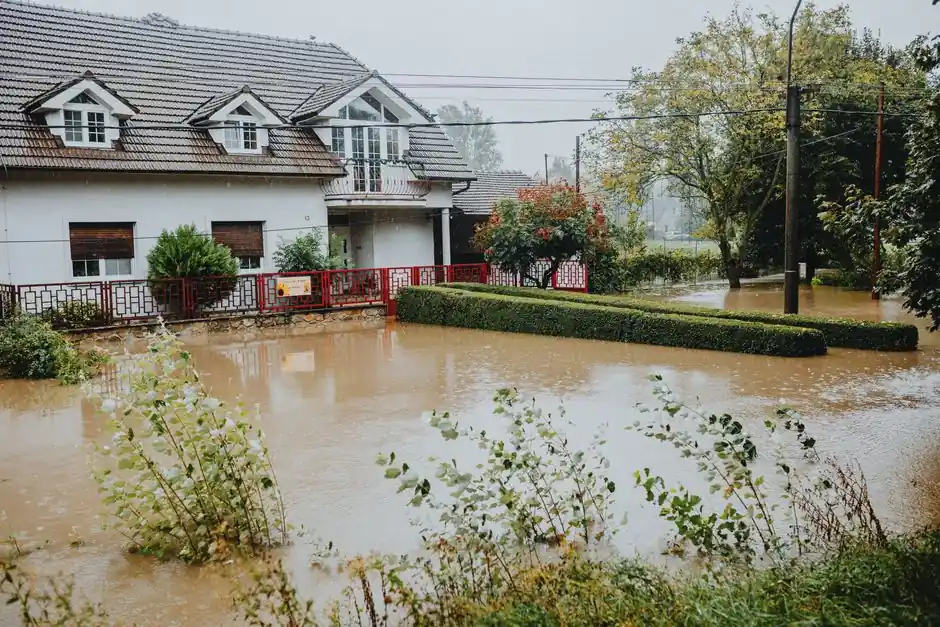
You can dry out a flooded basement safely on your own if the water is clean, less than a few inches deep, and you can shut off the source before you start. The job comes down to four things: kill the power, remove the standing water, move air across every wet surface, and keep the space dry long enough that mold never gets a foothold. This guide walks you through each step, tells you how long drying actually takes in a Wilmington basement, and shows you the point where calling a pro saves you money instead of costing you more.
Safety First: Before You Touch a Drop
Safety in a flooded basement in Wilmington DE starts with one rule: never step into standing water until you have cut power to the area at the breaker panel. Water and live outlets are a lethal combination, and a basement outlet that looks dry can still be energized. If the breaker box itself is in the flooded space, do not wade to it-call an electrician or your utility to cut power from outside.
Once the power is off, gear up. Wear rubber boots, waterproof gloves, and eye protection. Floodwater picks up everything it touches-lawn chemicals, sewage from a backed-up lateral, and whatever was stored on the floor. If the water smells like sewage or looks murky, stop and treat it as contaminated; that is a job for Sewage Backup Cleanup Wilmington DE, not a shop vac.
Check for gas. If you smell rotten eggs, leave the house and call the fire department. Wilmington's older rowhouses in neighborhoods like Trinity Vicinity and Hedgeville often have basement gas meters and aging supply lines, and a flood can dislodge a fitting.
Step-by-Step: How to Dry Out a Flooded Basement in Wilmington DE
Drying a flooded basement in Wilmington DE follows the same sequence whether the water came from a burst pipe, a sump failure, or heavy rain pushing through the foundation. Work top to bottom, and do not skip the moisture checks at the end-those are what tell you the job is actually finished.
1. Stop the water source
If a pipe burst, close the main shutoff valve-usually near the front foundation wall or under the kitchen sink in most Wilmington homes. If your sump pump failed during a storm, you will need to address that before anything else; our team handles sump pump water removal Wilmington DE when the pit keeps refilling faster than you can bail it.
2. Remove standing water
For shallow water (under 2 inches), a wet/dry shop vac with a 10-12 gallon tank works fine. Expect to empty it every 3-5 minutes. For deeper water, rent a submersible utility pump from a Wilmington hardware store-most move 1,200-1,800 gallons per hour. Pump the water to a floor drain, a utility sink, or outside at least 10 feet from the foundation.
Do not pump too fast. In a basement with a concrete slab, dropping the water level more than about 2 feet per day can cause the walls to shift if the surrounding soil is still saturated. Slow and steady wins here.
3. Remove wet contents
Get everything off the floor: cardboard boxes, rugs, furniture, holiday decorations. Cardboard and paper wick water upward and hold it against the floor, slowing drying. Anything porous that soaked up floodwater-drywall, insulation, carpet padding-usually needs to go. Bag it and haul it out.
4. Set up airflow and dehumidification
This is where most DIY jobs fail. You need two things running at once: air movement and moisture removal. Point box fans or a rented industrial air mover across the floor and up the walls. Run a dehumidifier rated for the square footage-a 50-pint unit for a typical 500-700 sq ft Wilmington basement, a 70-pint unit for anything larger. Empty the bucket every few hours or run a hose to a drain.
Keep windows closed during humid months. Wilmington's summer dew points regularly hit 65-70°F, and pulling that moist outside air into your basement makes the dehumidifier work twice as hard.
5. Check hidden moisture
A dry-looking floor is not a dry floor. Use a pin-type moisture meter ($30-$60 at most hardware stores) on the base of walls, wood studs, and any framing. You want readings under 16% for wood and under 15% for drywall. Check the same spots every day-if the numbers stop falling, you have a hidden reservoir of water somewhere.
How Long Does It Take to Dry a Flooded Basement in Wilmington DE?
Drying a flooded basement in Wilmington DE takes 3 to 5 days for a clean-water flood of 1-2 inches with proper airflow and dehumidification. Deeper water, saturated drywall, or a concrete floor that has been wet for more than 48 hours pushes that to 7-10 days. The single biggest variable is how fast you start-every hour of delay adds roughly half a day to the total.
Here is what a realistic timeline looks like:
- Day 1: Remove standing water, pull wet contents, set up fans and dehumidifier.
- Days 2-3: Surface moisture drops fast; walls and framing still read high.
- Days 4-5: Wood framing and drywall reach target moisture levels if airflow is good.
- Days 6-10: Extended drying for concrete, tile, or any area with limited airflow.
If you are not seeing measurable progress by day 3, something is wrong-either water is still entering, or air is not reaching a wet cavity. That is the point where a professional moisture inspection pays for itself. Our moisture detection and mapping Wilmington Delaware uses thermal imaging and pin meters to find water hiding behind finished walls.
Prevent Mold After a Basement Flood in Wilmington DE
Mold can start growing on wet drywall and wood within 24 to 48 hours of a basement flood in Wilmington DE, so the clock is running from the moment the water arrives. The good news: mold needs moisture, and if you dry the space fast enough, it never gets started. The bad news: once it colonizes, DIY cleanup rarely gets it all.
Three things matter most:
- Speed. Start extraction within the first few hours. Every day you wait increases the odds of a mold problem.
- Thoroughness. Mold hides behind baseboards, under carpet tack strips, and inside wall cavities. If you only dry what you can see, you miss the spots where it grows.
- Humidity control. Keep the basement below 50% relative humidity for at least a week after the visible water is gone. A $15 hygrometer tells you where you stand.
If you smell that musty, earthy odor two or three days in, mold is already active. At that point, mold removal and cleanup Wilmington DE is the right call-disturbing a mold colony without containment spreads spores through the rest of the house.
Common Mistakes That Make Basement Flooding Worse
Most DIY basement flood drying failures come down to a handful of predictable mistakes. Avoid these and your odds of a clean, mold-free dry-out go way up.
- Skipping the moisture meter. A floor that feels dry can still be 25% moisture at the base of the wall. You cannot dry what you cannot measure.
- Running only a dehumidifier, no fans. Dehumidifiers pull moisture from the air, but they cannot move air into wall cavities or under furniture. You need both.
- Opening windows in summer. Wilmington's humid summers mean outside air is wetter than your basement. Keep windows shut and let the dehumidifier do the work.
- Putting off the wet drywall decision. Drywall that has been soaked for more than 24-48 hours almost always needs to be cut out. Trying to save it usually means mold inside the wall.
- Ignoring the source. If water is still seeping in through the foundation, you are bailing a boat with a hole in it. Foundation seepage is common in Wilmington's older neighborhoods near the Brandywine and Christina rivers, where brick and stone foundations were never designed for today's water tables. That is a job for foundation water damage repair Wilmington DE.
When to Call a Professional for Basement Flooding in Wilmington DE
Call a professional for basement flooding in Wilmington DE when the water is contaminated, when it is deeper than 2-3 inches, when it has been sitting for more than 24 hours, or when you cannot find or stop the source. Those four conditions push a job past what shop vacs and box fans can handle.
Other signs it is time to bring in help:
- Water has reached drywall, insulation, or finished flooring.
- You smell sewage or see murky, dark water.
- The basement has flooded more than once in the past year.
- You see or smell mold within 48 hours.
- Your sump pump runs constantly and cannot keep up.
Wilmington AquaRestore handles basement flood cleanup across New Castle County-from the riverfront to Trolley Square to the suburbs out toward Hockessin. We extract the water, dry the structure, and verify with moisture readings before we call the job done. If you want the whole thing handled end to end, our flooded basement cleanup Wilmington DE covers extraction, drying, sanitizing, and moisture verification in one visit.
Frequently Asked Questions
How do I dry out a flooded basement in Wilmington DE?
Shut off power and water first, then pump or vacuum out standing water. Set up fans and a dehumidifier rated for the square footage, remove wet contents, and check moisture readings daily. Most clean-water floods of 1-2 inches dry in 3-5 days with proper airflow.
How long does it take to dry a flooded basement in Wilmington Delaware?
Plan on 3-5 days for shallow clean water with good airflow, and 7-10 days if drywall, insulation, or concrete stayed wet for more than 48 hours. Wilmington's humid summers can add a day or two if you are not running a properly sized dehumidifier.
When should I call a professional for basement flooding in Wilmington DE?
Call a pro if the water is contaminated, deeper than 2-3 inches, has been sitting more than 24 hours, or has reached drywall or finished flooring. Also call if you cannot find the source or if you see mold within the first 48 hours.
Can I just run a dehumidifier and skip the fans?
No. A dehumidifier pulls moisture from the air, but it cannot push air into wall cavities, under furniture, or across a concrete slab. You need fans moving air across every wet surface while the dehumidifier removes the moisture they release.
Will my homeowners insurance cover basement flood cleanup in Wilmington DE?
It depends on the cause. Sudden burst pipes and appliance failures are usually covered. Groundwater seepage, sump pump failure, and long-term leaks often are not, unless you added specific endorsements. Document everything with photos before you start cleanup.
Get Help with Water Damage Restoration in Wilmington
If your basement is still wet, or you want a professional dry-out before mold takes hold, Wilmington AquaRestore is ready to help. We serve Wilmington and all of New Castle County with fast extraction, structural drying, and moisture verification you can trust.
Call us at (302) 775-0748-we answer 24/7 and can usually be on-site the same day.