For Homes
We handle water heater leaks in basements, utility closets, and garages. We extract, dry, and repair the source.
- Basement puddle under the tank
- Water soaked into carpet
- Leak through the ceiling below
Water Heater Leak Cleanup Wilmington DE is what we do when your tank lets go and water starts spreading across the floor. We handle the extraction, the drying, and the moisture checks so your subfloor, drywall, and baseboards don't rot. If you're in New Castle County and you've got a puddle under the tank right now, call us at (302) 775-0748. We'll tell you what to shut off and get a crew moving.
 Shut off waterExtract standing waterCheck moisture
Every water heater leak cleanup includes the core steps: shut off, extract, dry, verify, and repair the source. What changes is the scope. A small leak in a utility closet is a one-day job. A failed tank that flooded a finished basement takes longer. Here's what's covered.

We pull standing water with a water extraction unit, wet/dry vacuum, or sump pump. For carpet and hardwood, we use the extraction unit to pull water from fibers and seams. For concrete, we use a squeegee and wet/dry vacuum. Extraction typically takes one to two hours.
We set air movers and a dehumidifier to dry the subfloor, drywall, and baseboards. We use a boroscope camera to check inside wall cavities. Drying runs two to three days. We check moisture readings daily and adjust the equipment placement as needed.
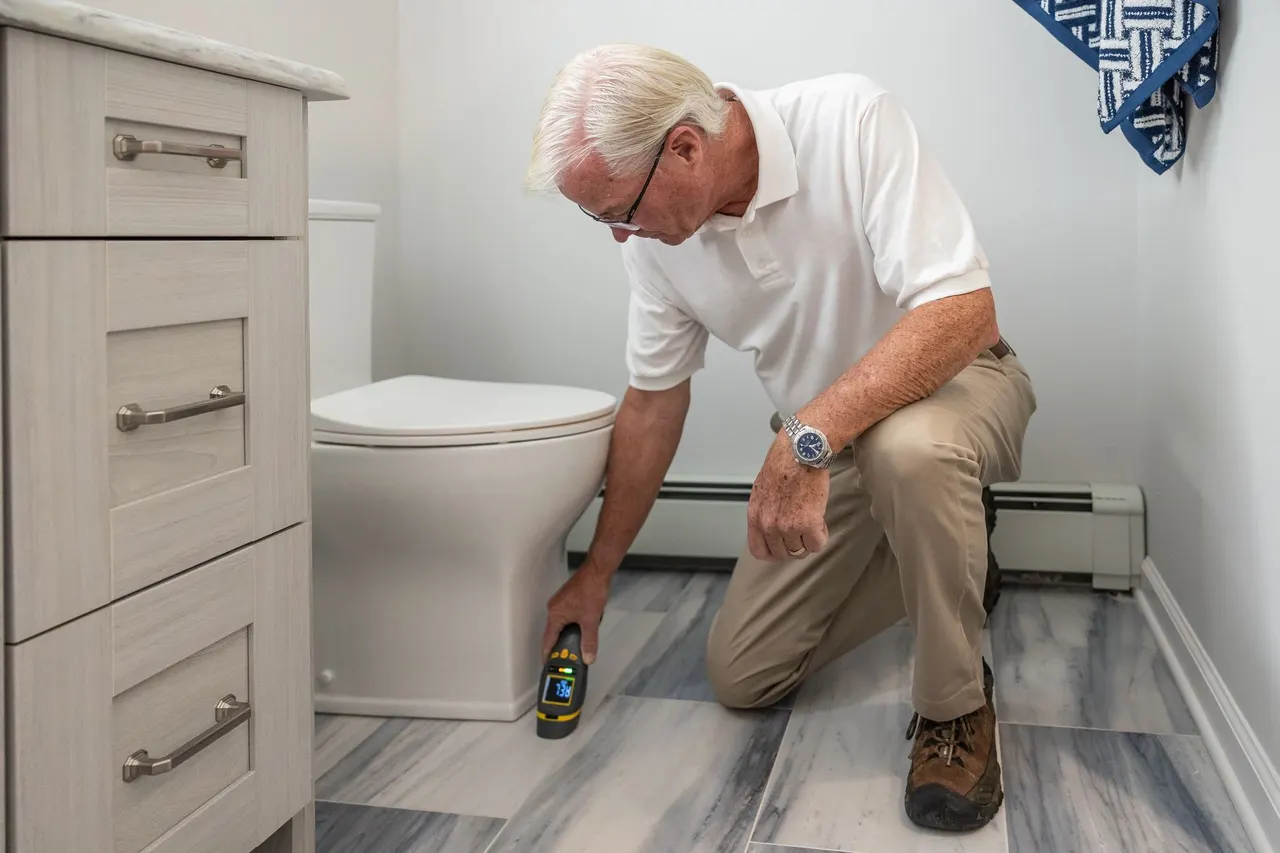
We use a moisture meter, thermal imaging camera, and hygrometer to verify the structure is dry. We compare readings to a dry standard. We photograph the dry area and provide a written drying report. If any reading is high, we keep drying.
We pressure-test the line before we leave. If the tank itself is cracked, we coordinate replacement. Repair typically takes one to three hours.
We photograph the leak, log moisture readings, and provide a drying report your adjuster can use. We've worked with every major carrier in New Castle County. If your policy covers sudden water heater leak damage, our documentation makes the claim straightforward.
The approach is the same for a home and a business. What changes is the access, the schedule and who needs the paperwork.
We handle water heater leaks in basements, utility closets, and garages. We extract, dry, and repair the source.
We handle water heater leaks in offices, restaurants, and retail spaces. We work around your schedule to limit downtime.
A plain-language look at what Water Heater Leak Cleanup involves and when it is needed.
See how it worksWater Heater Leak Cleanup Wilmington DE is a water damage restoration service that extracts standing water, dries the structure, and verifies moisture levels after a tank, supply line, or T&P valve failure. A 40-gallon tank holds enough water to soak 300 square feet of flooring an inch deep. We pull that water with a water extraction unit, set air movers and a dehumidifier, and check the walls with a moisture meter and thermal imaging camera before we call it dry. Most jobs take two to four hours of active work, then two to three days of drying.
In Wilmington, water heater leaks show up most often in basements and utility closets of rowhomes built before 1950. The original copper pipe and PEX piping in these homes is often past its service life, and a failed T&P valve or corroded nipple can dump 20 to 60 gallons before anyone notices. We handle water heater leak water damage Wilmington Delaware calls in Trolley Square, the Highlands, and Southbridge every week. If you search for water heater leak cleanup near me Wilmington, you want a crew that knows these older homes and their quirks.
Stop the water, extract it, dry the structure, and fix the source.
Every water heater leak cleanup follows the same sequence: stop the water, extract what's there, dry what's wet, verify it's dry, and repair the cause. Here's how that looks in your home.
We shut off the water supply and the gas or power to the tank. Then we walk the area with a moisture meter and thermal imaging camera to find the wet zone. You get a plain explanation of what we found and what we'll do. This takes 15 to 20 minutes.

We pull standing water with a water extraction unit and a wet/dry vacuum. For carpet or hardwood, we use the extraction unit to pull water from the fibers or seams. A sump pump handles deeper water in a basement. Most extraction takes one to two hours.
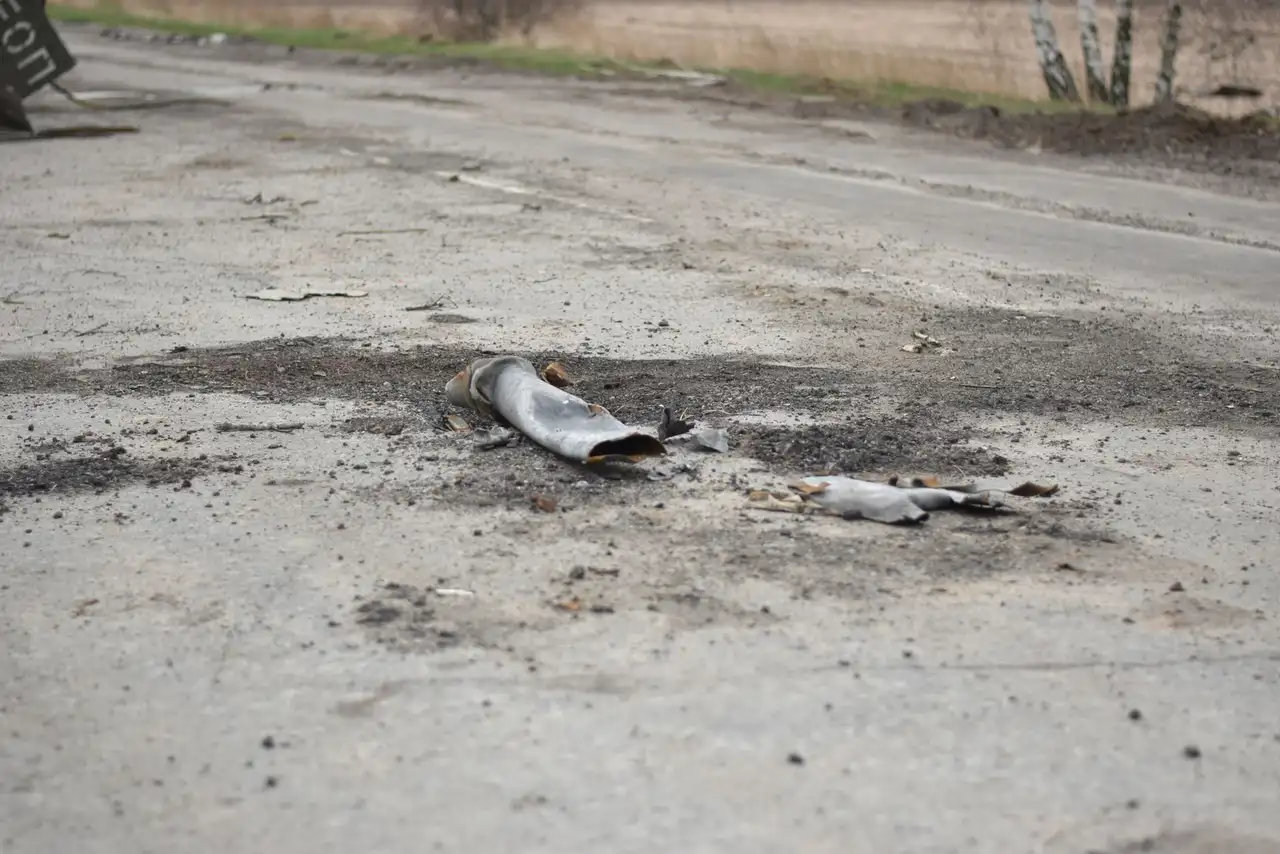
We place air movers and a dehumidifier to dry the subfloor, drywall, and baseboards. We use a boroscope camera to check inside wall cavities. The equipment runs two to three days. We check moisture readings daily and adjust the setup as needed.
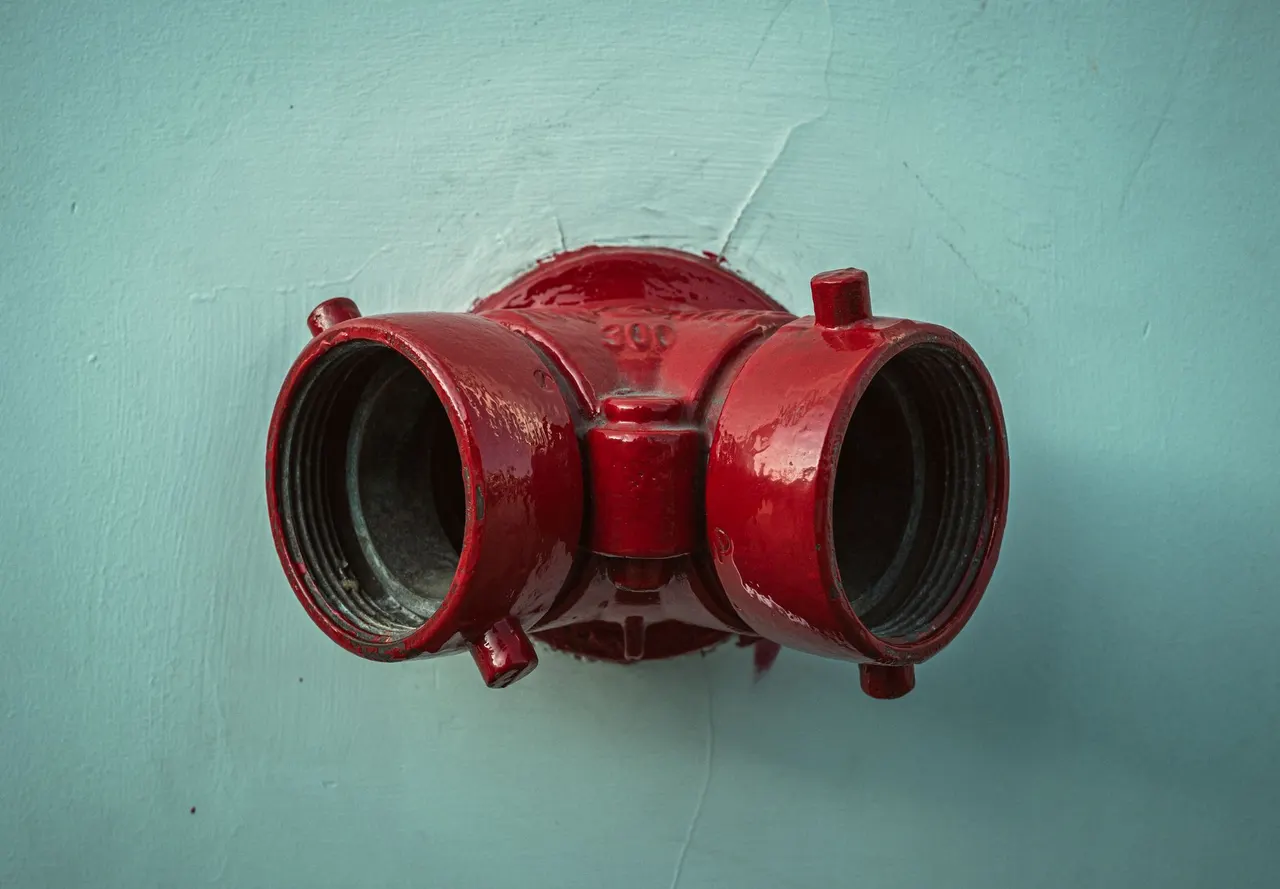
We pressure-test the line before we leave. If the tank itself is cracked, we coordinate the replacement. This step takes one to three hours depending on the repair.
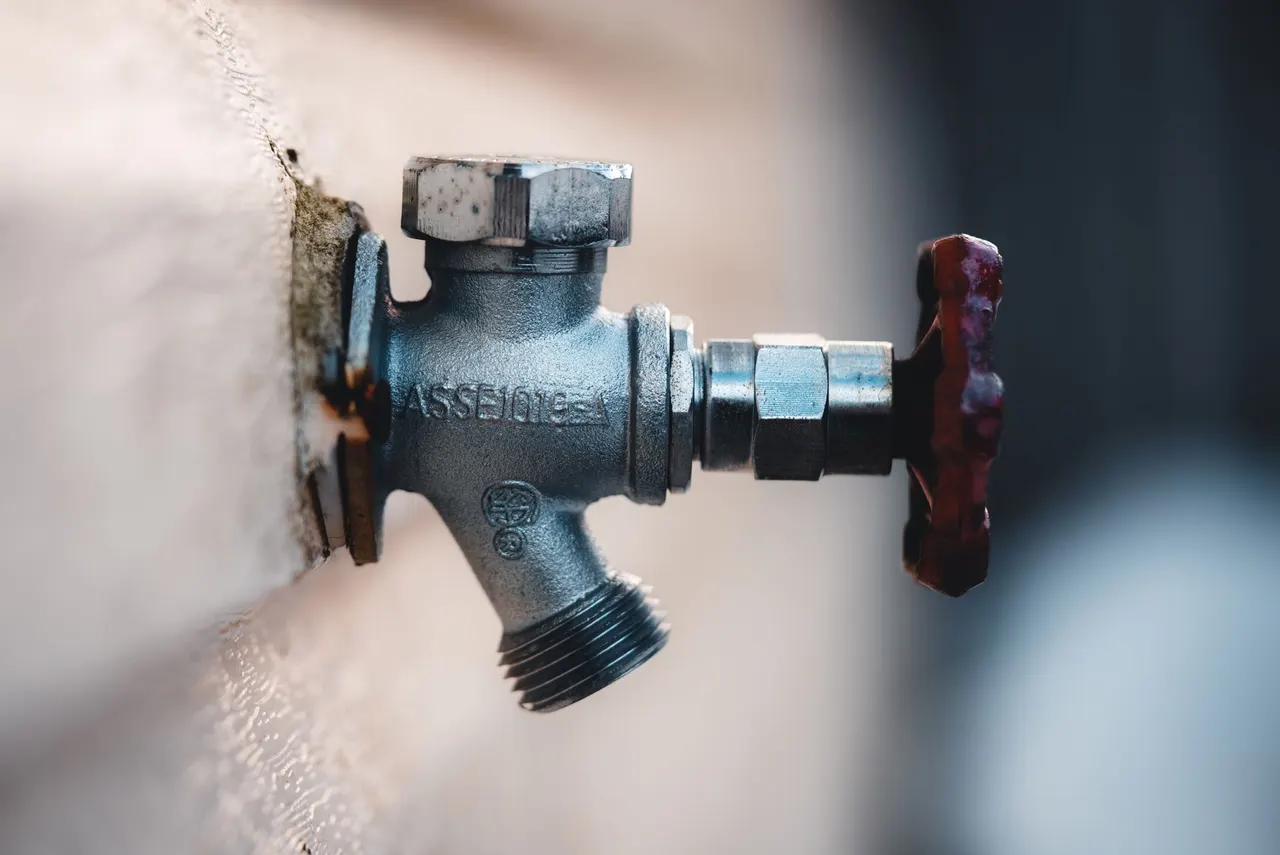
We take final moisture readings with a hygrometer and compare them to a dry standard. We photograph the dry area and provide a written drying report. You get a walkthrough of what we did and what to watch for. If anything reads high, we keep drying.
Move across a circle, or focus it and press Enter, for an illustrative thermal view of the photograph.

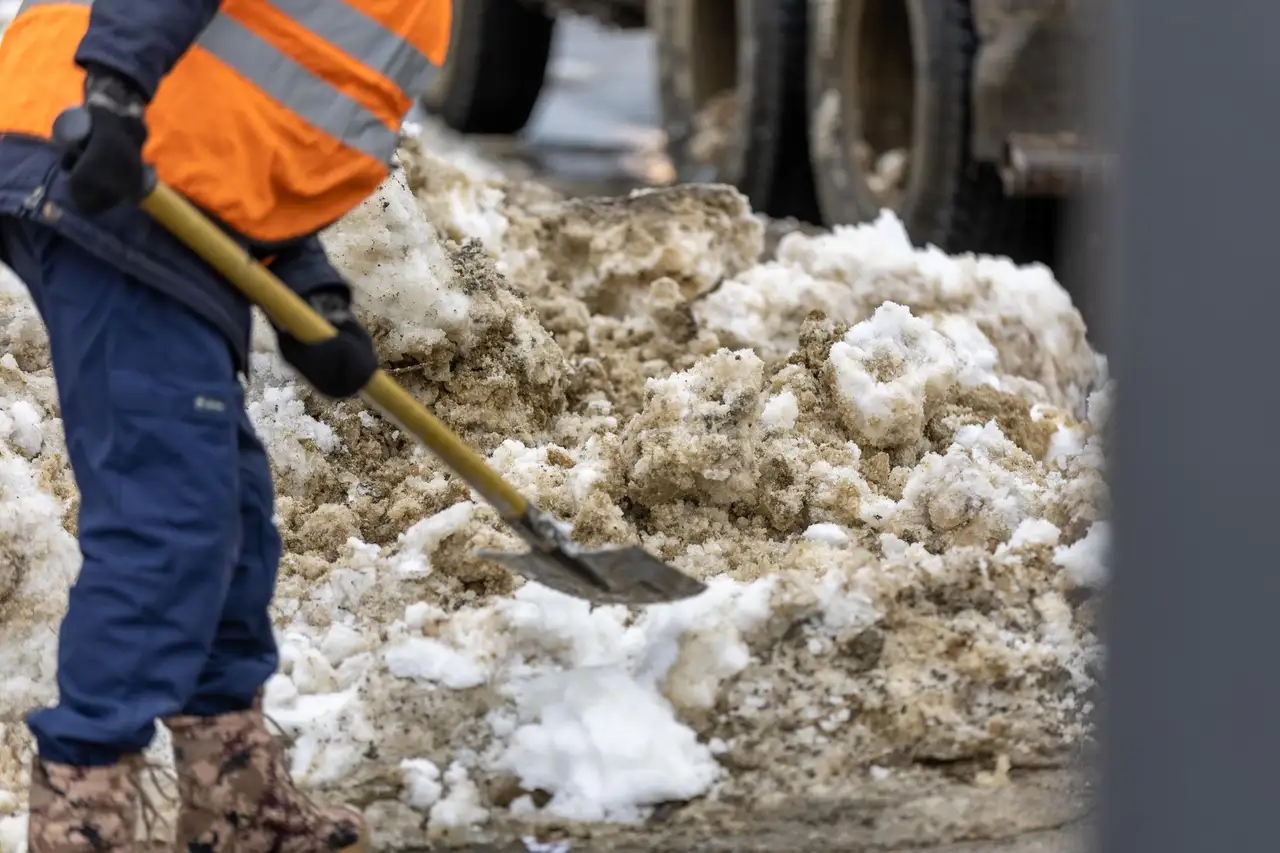
Pulls standing water from carpet, hardwood, and concrete. We use it after a water heater leak to remove water fast before it spreads.
Dries the subfloor, drywall, and baseboards. We run them for two to three days and check moisture readings daily.
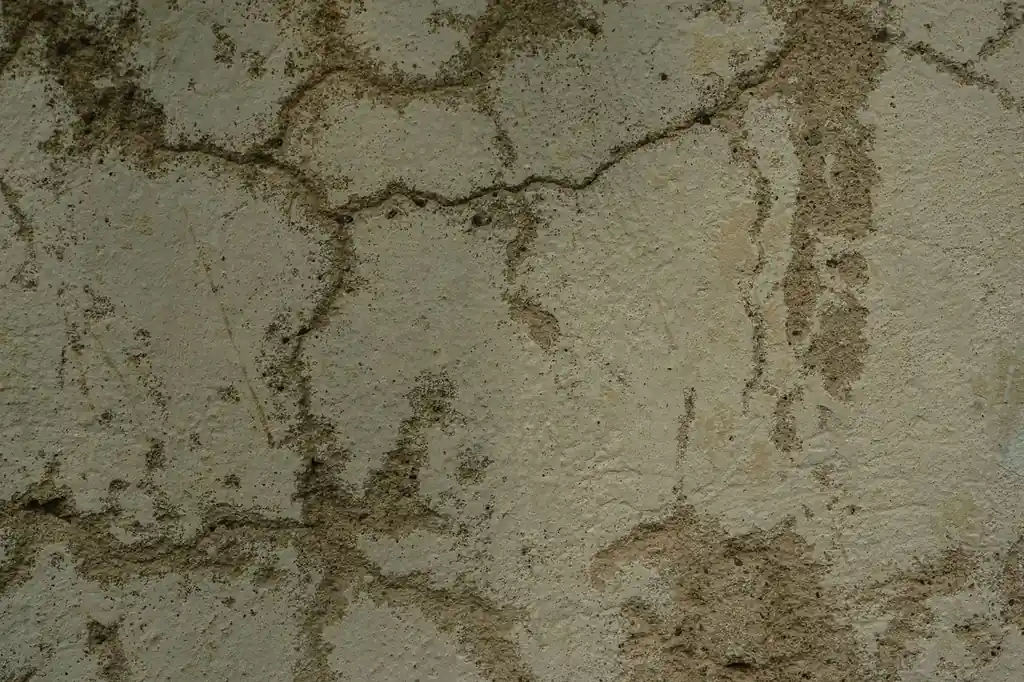
Measures moisture content in wood, drywall, and concrete. We use it to map the wet zone and verify the structure is dry.
Finds hidden moisture behind walls and under floors. We use it to check areas a moisture meter can't reach.
Lets us see inside wall cavities without cutting drywall. We use it to check for water behind baseboards and in framing.
Thermal views are illustrative, generated from the photographs.
We use DeWalt and Milwaukee drills, saws, and drivers for repairs. These are the tools our plumbers trust on every job.
We follow the IICRC WRT standard for water damage restoration. That means we map the wet zone, set the right number of air movers and dehumidifiers, and monitor moisture readings daily. We don't stop until readings match a dry standard.
We use a thermal imaging camera to find temperature differences that indicate moisture. This lets us map the wet zone without cutting into walls. We confirm findings with a moisture meter and document the results.
We follow NEC electrical code when drying near a panel or outlet. We pressure-test the line before we leave.
We photograph the leak, log moisture readings before, during, and after drying, and provide a written drying report. We've worked with every major carrier in New Castle County. Our documentation gives your adjuster what they need.
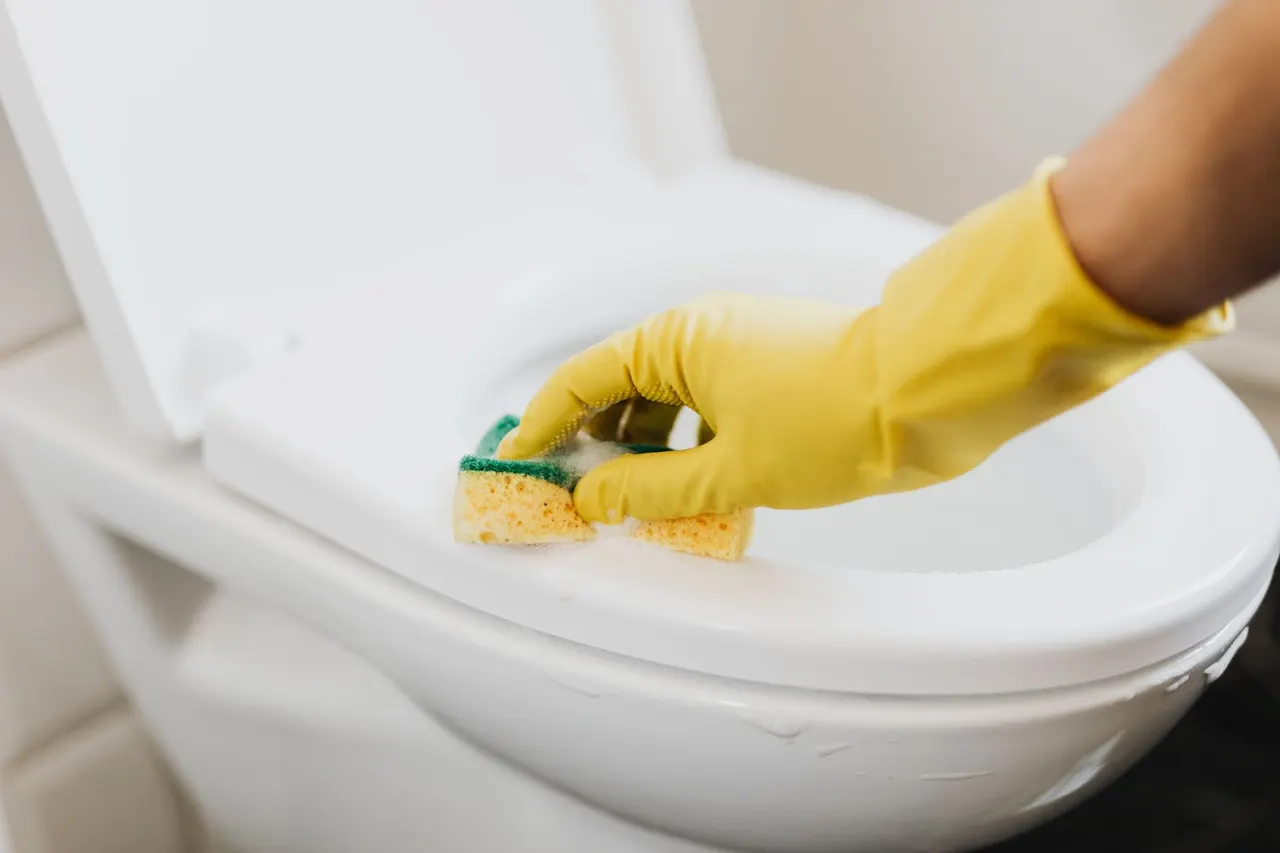
You wake up to a puddle under the water heater in a Trolley Square rowhome.
We shut off the water, extract the puddle with a wet/dry vacuum and water extraction unit, and check the surrounding floor with a moisture meter. Our plumber diagnoses the source, usually a failed T&P valve or corroded nipple. We repair it and pressure-test the line.
Outcome: Your basement floor is dry within two to three days, and the leak is fixed. You get a drying report for your records.
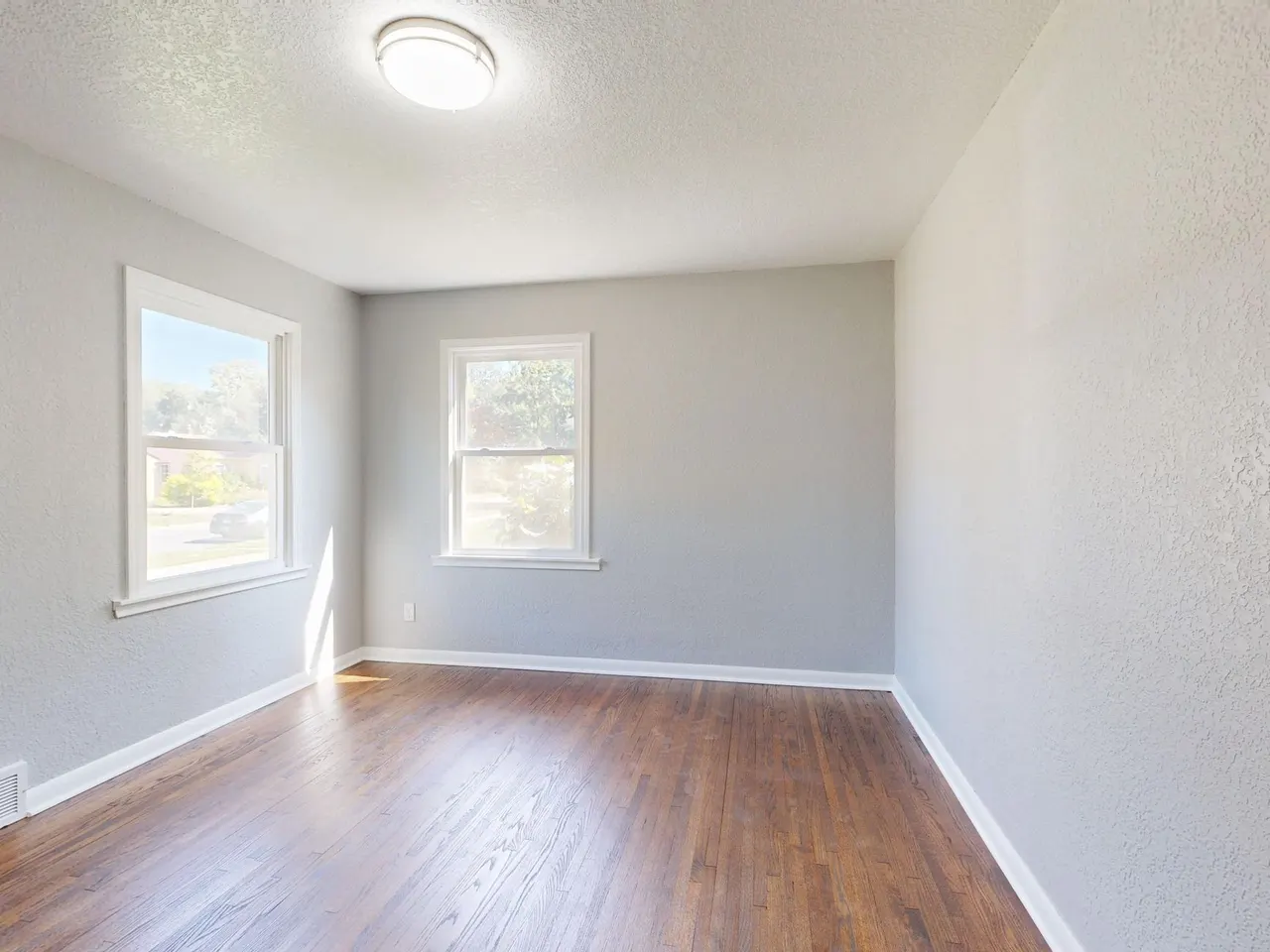
A water heater in a Downtown Wilmington rental leaks into the unit below.
We extract water from both units, check the ceiling below with a thermal imaging camera, and dry the affected areas. We document everything for the property owner and the tenant. Our plumber repairs the failed fitting or valve.
Outcome: Both units are dry, the repair is code-correct, and the property owner has documentation for the insurance claim.
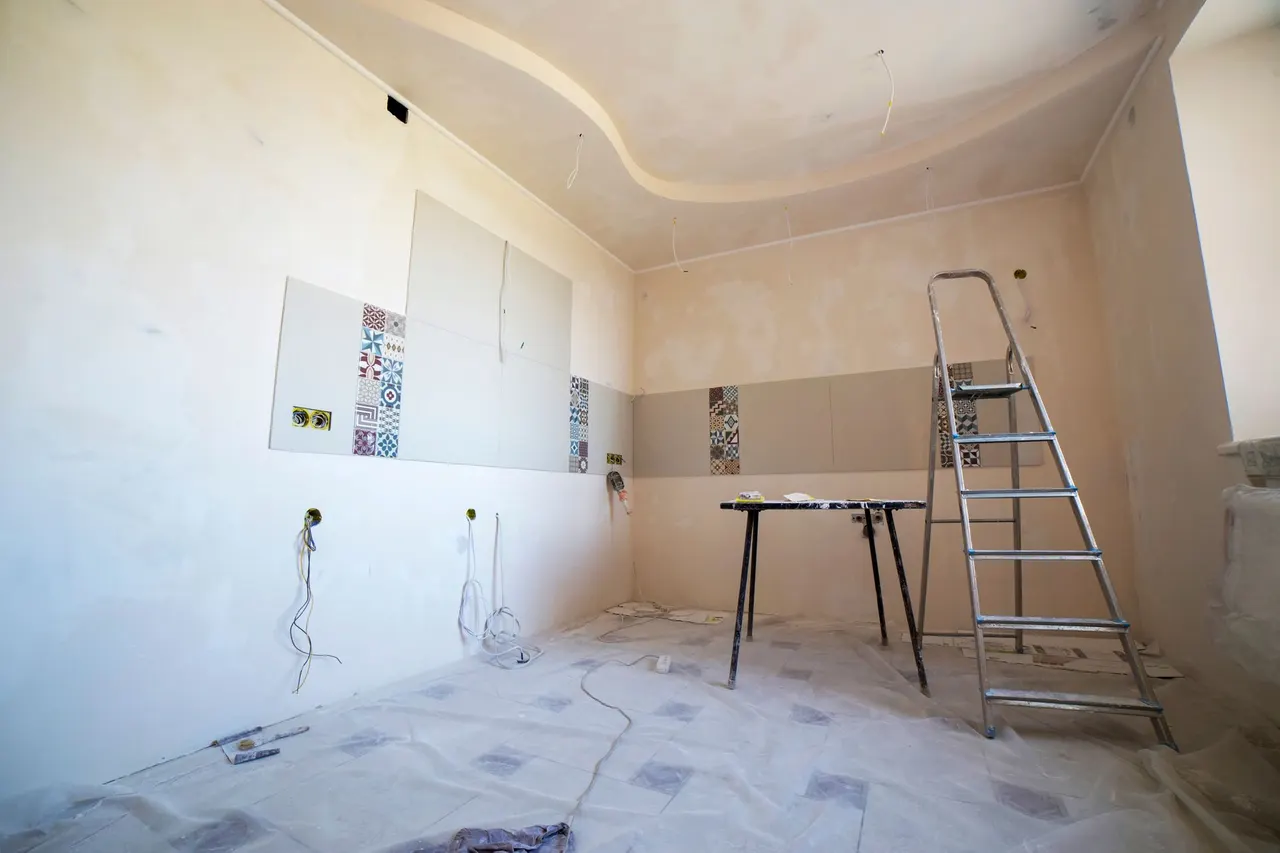
Your water heater fails during a cold snap and the supply line freezes and bursts.
We thaw the line, shut off the water, and extract the released water. We dry the structure with air movers and a dehumidifier. Our plumber repairs the burst pipe and insulates the line to prevent a repeat.
Outcome: The pipe is repaired, the area is dry, and the line is insulated. You avoid a repeat freeze and a second leak.

A commercial water heater leaks in a Riverfront restaurant before opening.
We respond fast, extract the water, and set drying equipment. We work around your schedule to minimize downtime. We document the leak and drying for your property manager and insurer.
Outcome: The space is dry and back in service quickly. You have the documentation your insurer needs.
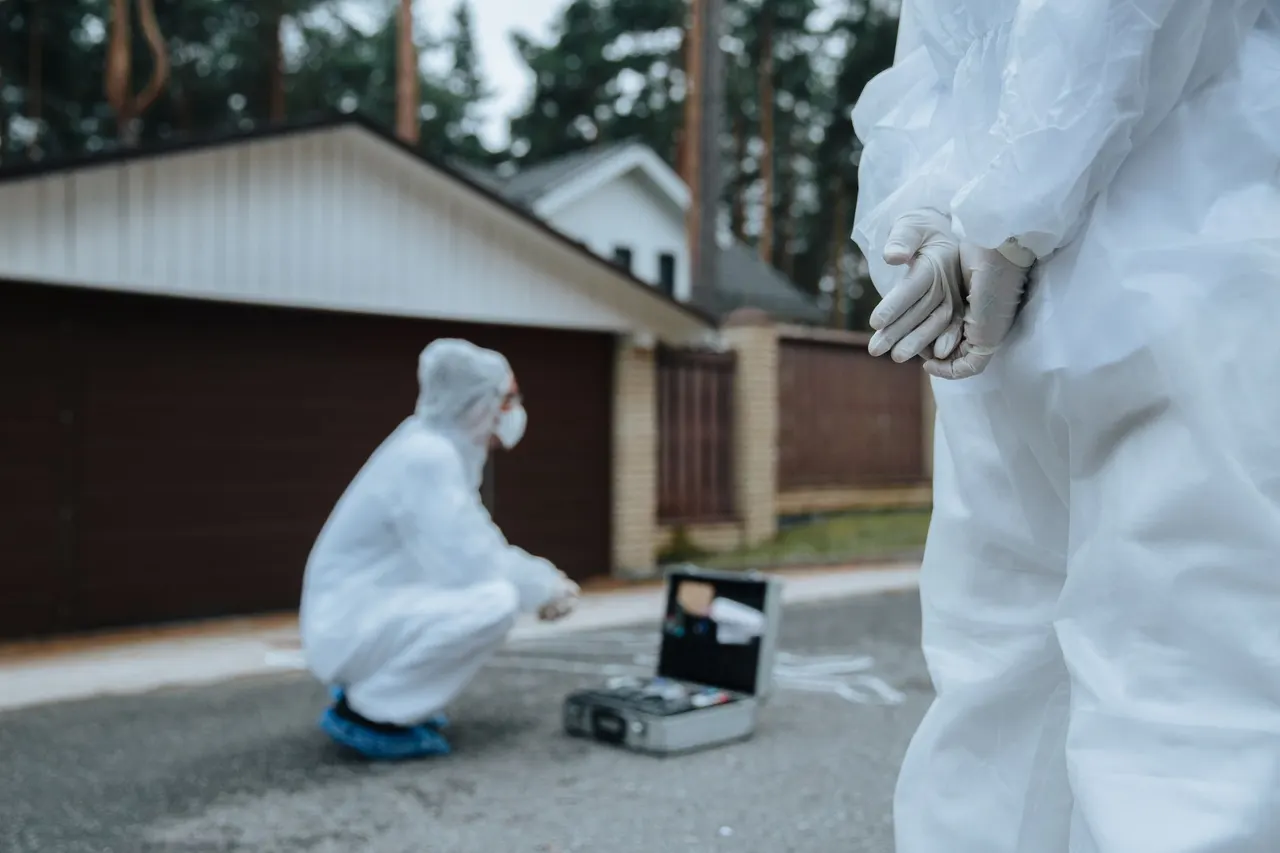
Wilmington's housing stock is old. Many rowhomes in Trolley Square, the Highlands, and Southbridge were built before 1950, and their original copper pipe and PEX piping is often past its service life. Water heaters in these homes sit in basements and utility closets, often on concrete or wood subfloors. When a T&P valve fails or a nipple corrodes, water spreads across the floor and wicks into baseboards and drywall.
We see this most often in winter, when cold snaps stress the supply lines, and in spring, when heavy rain raises groundwater levels. We handle water heater leak repair and cleanup services in Wilmington Delaware with a crew that knows these homes. We use a moisture meter and thermal imaging camera to map the wet zone, extract with a water extraction unit, and dry with air movers and a dehumidifier.
If you need same day water heater leak cleanup Wilmington DE, call (302) 775-0748.
Before: A 40-gallon water heater failed at the T&P valve and released about 30 gallons onto a concrete basement floor. Water spread under baseboards and into a storage area. The homeowner called us after noticing a puddle and a damp smell.
After: We extracted the water in about 90 minutes, set four air movers and a dehumidifier, and dried the basement in three days. Our plumber replaced the T&P valve and pressure-tested the line. Final moisture readings matched a dry standard.
We recommended flushing the tank annually and checking the T&P valve every six months.
Before: A corroded nipple on a water heater leaked into a finished basement with carpet and drywall. About 20 gallons soaked the carpet and wicked up the drywall. The homeowner was worried about mold and insurance.
After: We pulled the carpet back, extracted the water, and dried the subfloor and drywall in three days. We documented everything with photos and moisture logs. The insurance claim was approved. Our plumber replaced the nipple and checked the anode rod.
We suggested replacing the anode rod every three to five years. That protects the tank from corrosion and extends its life.
Before: A water heater in a second-floor rental leaked through the ceiling into the unit below. About 15 gallons stained the ceiling and soaked the carpet in the lower unit. The property manager needed documentation for two insurance claims.
After: We extracted water from both units, dried the ceiling and carpet in two days, and provided separate drying reports for each claim. Our plumber replaced the failed drain valve. Both units were dry and documented.
We recommended a drip pan under the water heater and an annual inspection.
A water heater leak causes more than a wet floor. It can rot subfloors, grow mold, and ruin drywall. Here are the problems we see most often in Wilmington and how we solve them.
A dry floor, a repaired leak, and documentation for your records.
We run water heater leak water extraction Wilmington Delaware calls seven days a week. A crew arrives with a water extraction unit, wet/dry vacuum, and air movers. We pull standing water, check the subfloor with a moisture meter, and start drying the same day you call. That first 24 hours is when you prevent the worst damage.
We use a thermal imaging camera and a hygrometer to find water you can't see. Water travels under tile, behind baseboards, and into the ceiling below. We map the wet zone, document it with photos, and dry until the readings match a dry standard. That's how you avoid mold growth three weeks later.
We replace failed T&P valves, corroded nipples, and copper pipe with code-correct materials. We follow NEC electrical code when we dry near a panel or outlet. You get a repair that passes inspection and a dry structure that won't come back to bite you.
We photograph the leak, log moisture readings, and provide a drying report your adjuster can use. Most homeowner policies cover sudden water heater leak damage, and our documentation makes the claim straightforward. We've worked with every major carrier in New Castle County and know what they ask for.
What a written scope covers and what shapes it. Prices are set by the business after the first look.
Included
Depends on
Clear records you can keep and share.
Images of the leak and wet areas
Readings before, during, and after drying
Summary of equipment and drying time
What was replaced and pressure-tested
Water heater leaks are usually clean water, but how long it sits changes the category.
Fresh water from a supply line or tank
Water that has picked up dirt or debris
Water mixed with sewage or flood water
A list like this tells people straight away whether you cover their street. Not listed? Call and ask: it only takes a minute.
Based in Wilmington and covering the places around it. Pick one for local details.
The total depends on how much water escaped, what materials got wet, and whether the tank needs replacement. We give you a written estimate before we start. Call (302) 775-0748 and we'll talk through your situation.
The most common causes are a failed T&P valve, a corroded nipple at the top of the tank, a leaking drain valve, or a cracked tank. In Wilmington's older rowhomes, we also see failed copper pipe and loose fittings. If the tank itself is cracked, it needs replacement. We diagnose the source before we quote the repair.
Extraction and equipment setup take two to four hours. Drying runs two to three days with air movers and a dehumidifier. The plumbing repair adds one to three hours. Most customers are back to normal within three to four days. If the water reached a finished basement or hardwood floors, drying may take an extra day or two.
Most homeowner policies cover sudden water heater leak damage, including extraction, drying, and repairs to the structure. They typically don't cover the water heater itself if it failed from age. We provide photos, moisture logs, and a drying report your adjuster can use. We've worked with every major carrier in New Castle County.
Other services from the same team.
We answer the phone, walk you through shutting off the water, and dispatch a crew. Our technicians carry water extraction units, air movers, and moisture meters. We document everything for insurance. Call (302) 775-0748 and we'll get your floor dry.
Call (302) 775-0748 any time, day or night. If you prefer email, send photos and details to [email protected] and we will follow up with next steps.