For Homes
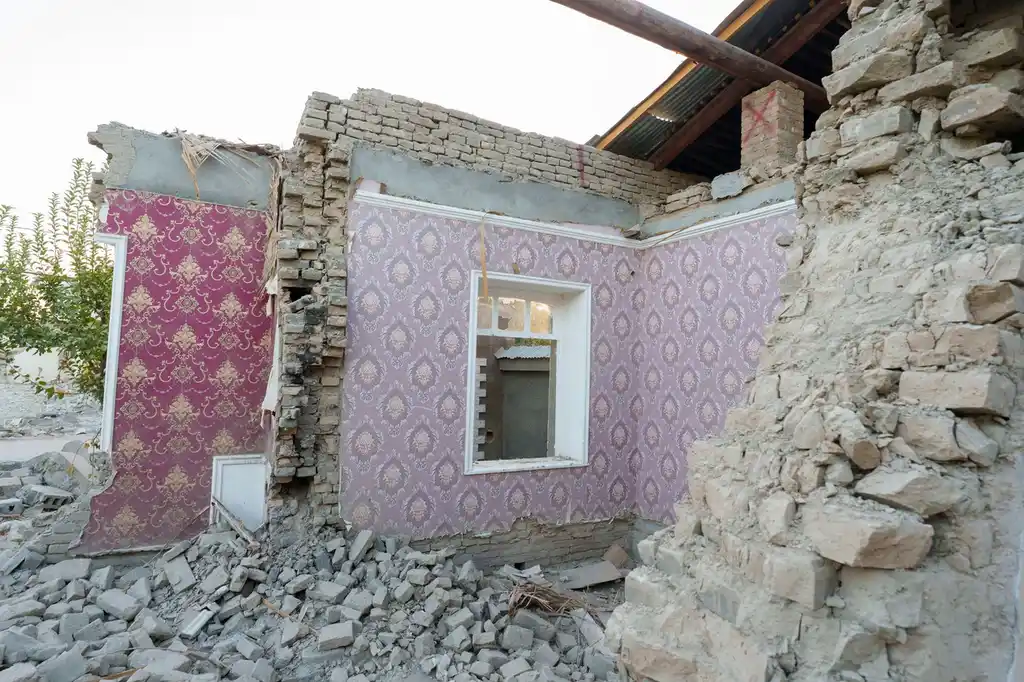
We handle flooded basements, burst pipes, and storm water in Wilmington homes. You get a walk-through, readings, and a drying plan before equipment goes down.
- Basement takes on water
- Pipe bursts in winter
- Ceiling stains after storm
When a storm pushes water into your basement or soaks your walls, Storm Damage Water Cleanup Wilmington DE from our team gets the water out and the structure dry before mold sets in. We handle storm water damage restoration in Wilmington for homeowners, landlords, and business owners across New Castle County. Our trucks carry extraction units, air movers, and dehumidifiers so we can start the same day you call.
 Moisture mappingWater extractionDrying setup
Every storm water job starts with the same core scope: inspection, extraction, drying, and documentation. What changes is how much material needs removal and how long the drying runs. Here is what our standard storm water damage restoration in Wilmington covers.
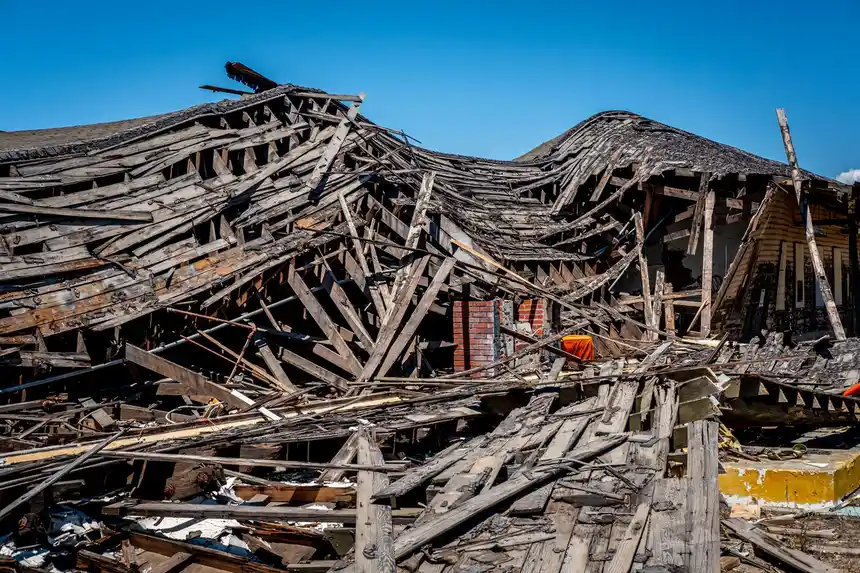
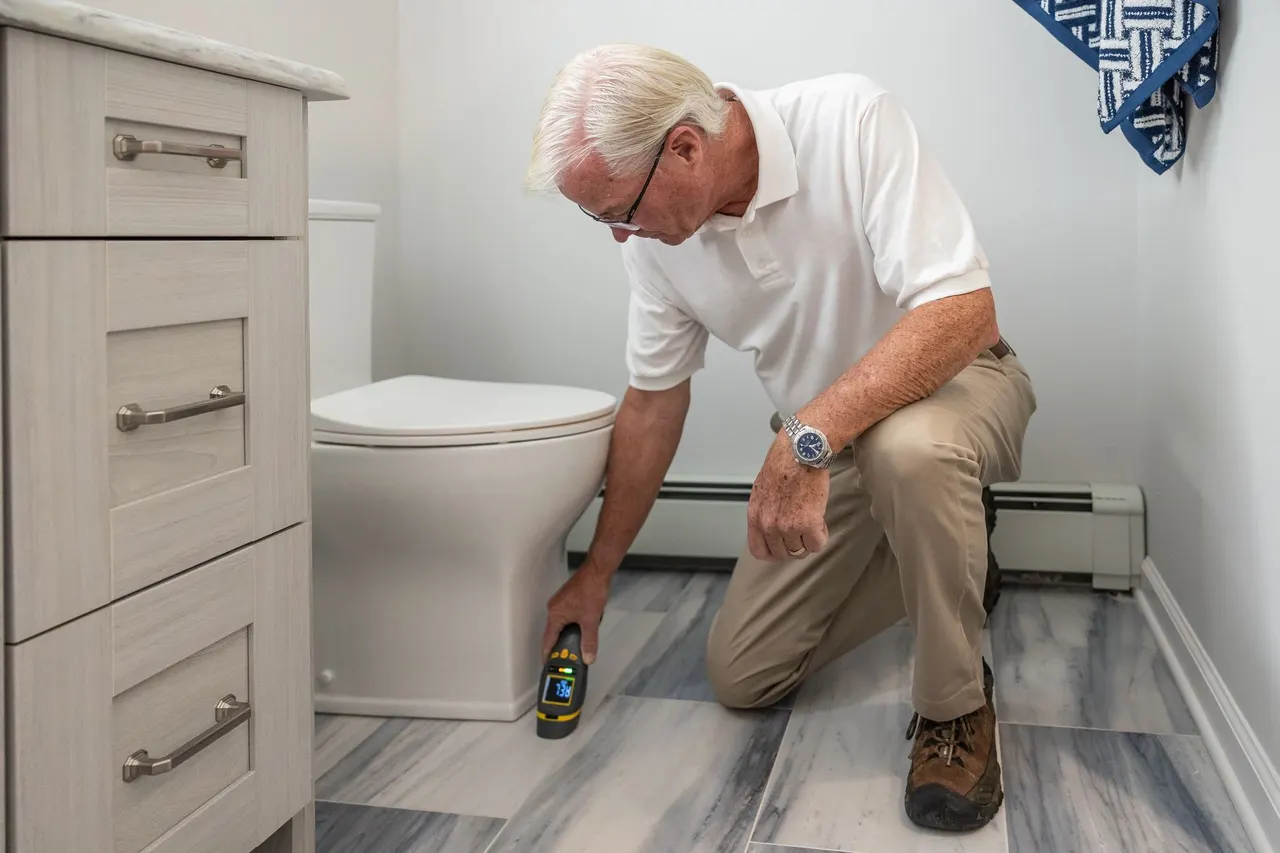
We use moisture meters, infrared thermometers, thermal imaging cameras, and boroscope cameras to find every wet zone. This step tells us where water traveled behind walls and under floors. It takes 20 to 40 minutes and sets the drying plan.
Truck-mounted extraction units and wet/dry vacuums pull standing water from basements, crawlspaces, and floors. We remove the bulk of the water in the first one to three hours on site. Fast extraction limits how far moisture wicks into materials.
We position Dri-Eaz and Phoenix Restoration Equipment air movers and dehumidifiers to dry framing, drywall, and subfloor. Equipment runs continuously while we monitor with hygrometers. Most residential jobs dry in three to five days.
Storm water is contaminated water. We apply antimicrobial treatment to affected surfaces after extraction and before final drying. This step reduces mold growth risk in wall cavities and on porous materials that stay in place.
Silt, leaves, and ruined drywall or flooring get hauled out. We bag and dispose of contaminated materials according to Delaware requirements. What stays gets dried; what cannot be saved gets removed and documented for your claim.
We photograph every affected room, log daily moisture readings, and write the scope in adjuster format. You get a clear record of what happened, what we did, and what the readings showed. That documentation supports your storm water damage claim.
The approach is the same for a home and a business. What changes is the access, the schedule and who needs the paperwork.
We handle flooded basements, burst pipes, and storm water in Wilmington homes. You get a walk-through, readings, and a drying plan before equipment goes down.
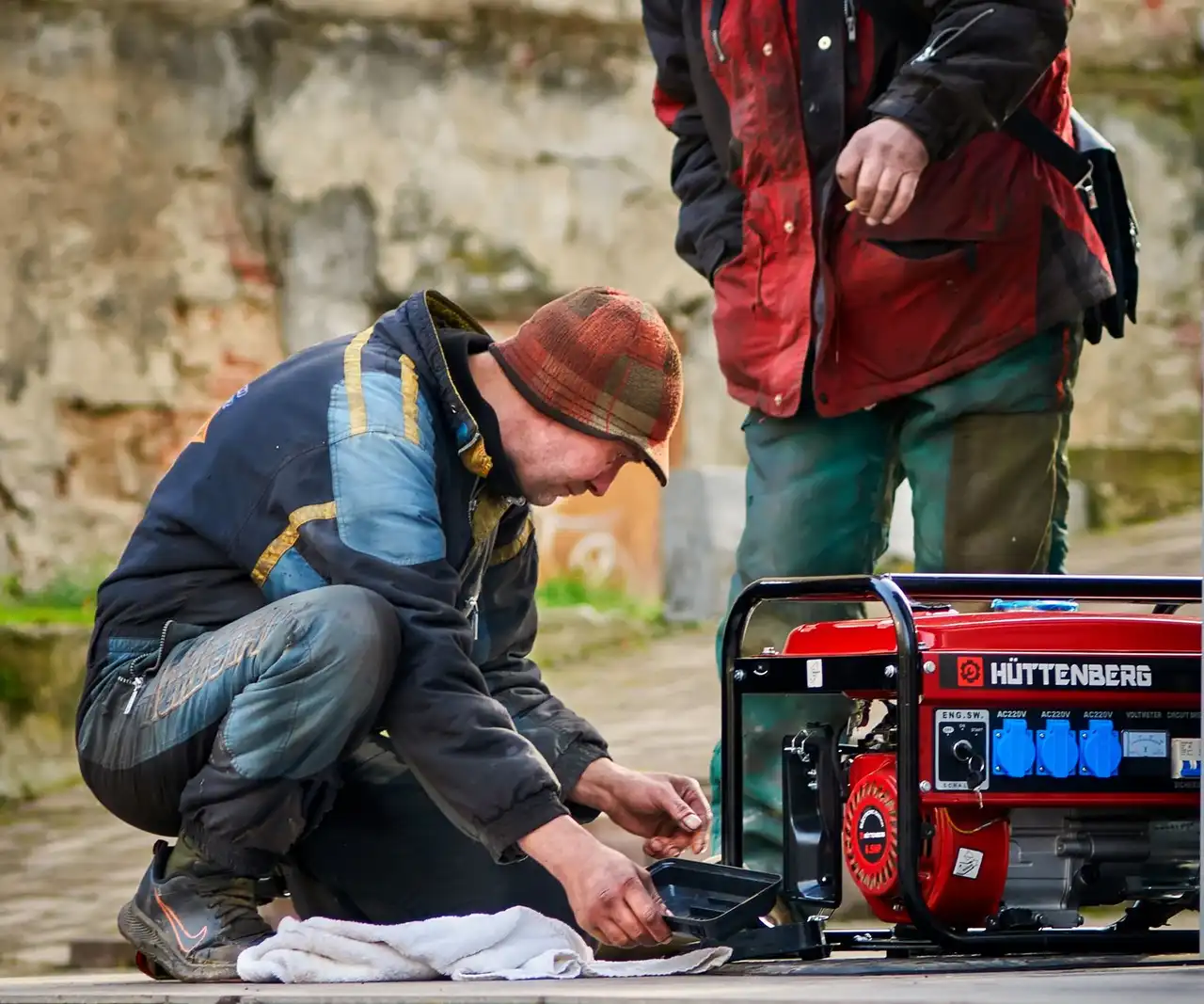
We dry retail floors, offices, and restaurants after storm water intrusion. Work is scheduled around your hours so you do not lose business days.
A plain-language look at what Storm Damage Water Cleanup involves and when it is needed.
See how it worksStorm Damage Water Cleanup Wilmington DE is the process of removing standing storm water, extracting saturated materials, and drying the structure so mold and rot never get a foothold. It is not a shop-vac job. Storm water carries silt, leaves, and sometimes sewage, so we treat every job as contaminated until testing proves otherwise. We use moisture meters, thermal imaging cameras, and hygrometers to map exactly where the water traveled behind drywall, under wood flooring, and inside wall cavities. Then we pull it out with truck-mounted extraction units and Dri-Eaz air movers.
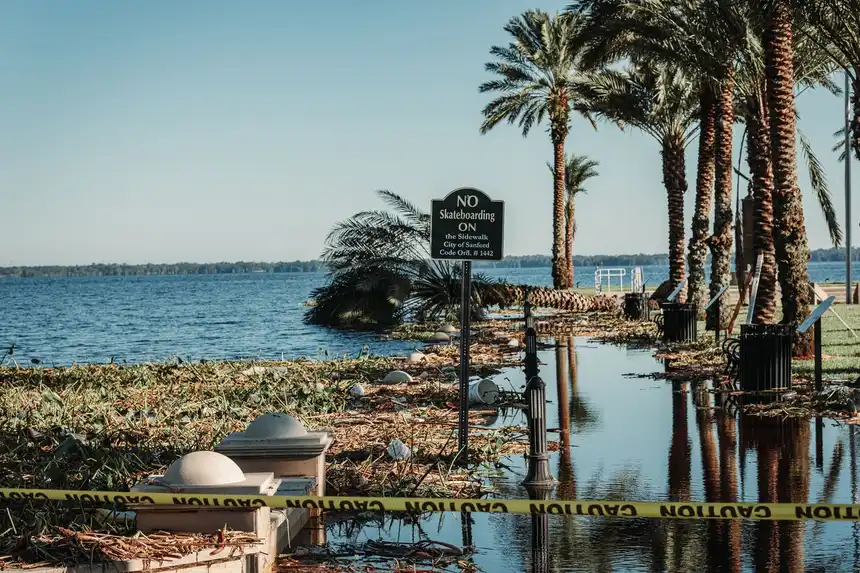
Wilmington sits between the Brandywine and Christina rivers, and heavy rain flooding hits low-lying blocks in Southbridge and Browntown hardest. A sump pump failure during a nor'easter can put two inches of water across a finished basement in under an hour. That is why storm flooding cleanup Wilmington Delaware has to start fast. If you search for storm damage water cleanup near me Wilmington after a storm, you want a crew that knows the difference between a roof leak and groundwater intrusion, because the fix is different for each one.
Storm water cleanup is measured drying, not guesswork, and the readings tell us when the job is done.
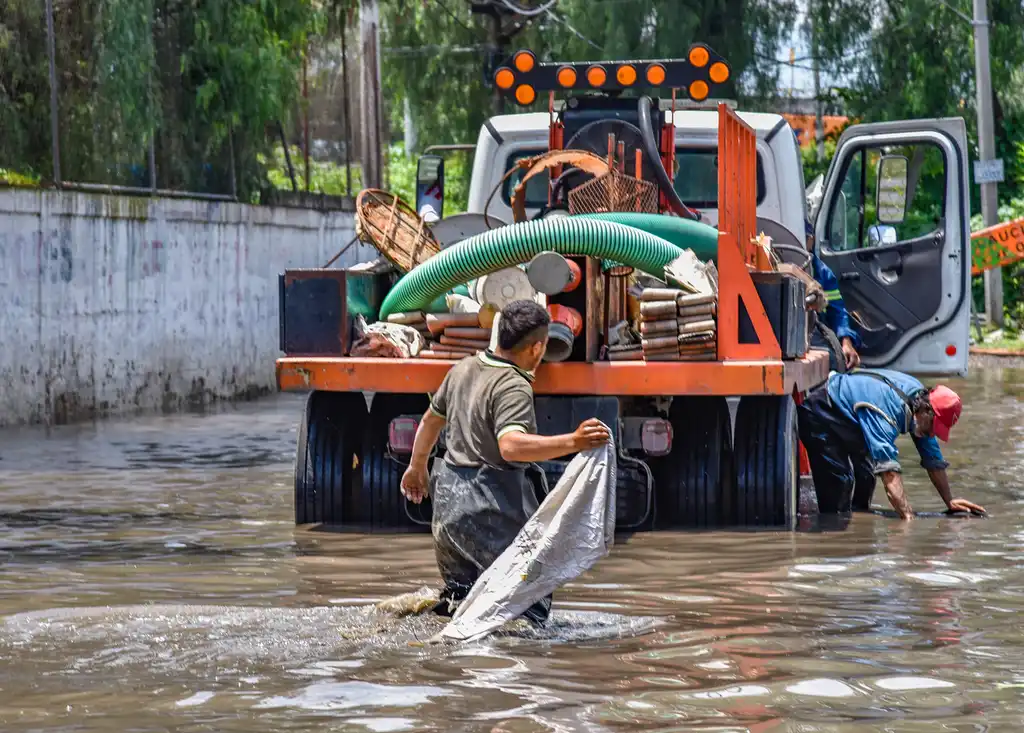
Every job follows the same five steps, whether it is a flooded basement in Trolley Square or a soaked commercial floor on the Riverfront.
You call (302) 775-0748 and describe what happened. We ask three things: where the water is, how deep it got, and whether the power is still on. That tells us what to load on the truck. We schedule a same-day arrival for most Wilmington addresses and confirm the window before we hang up.
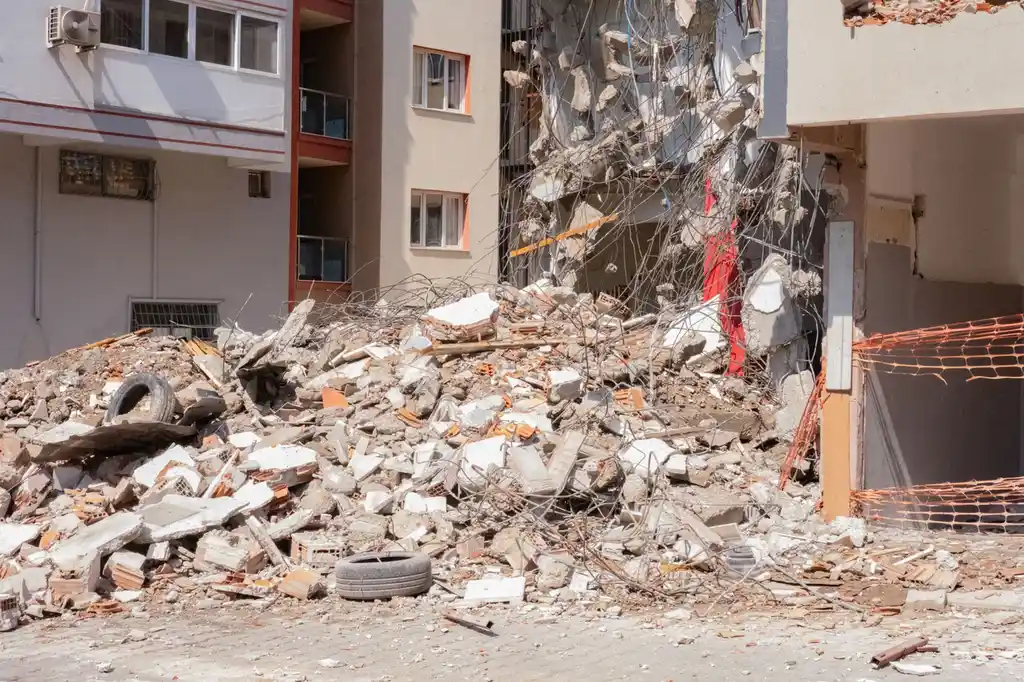
On arrival we walk the space with you and start measuring. A moisture meter and infrared thermometer tell us how far the water wicked into walls and floors. A boroscope camera lets us look inside wall cavities without cutting holes. This step takes 20 to 40 minutes and sets the entire drying plan.
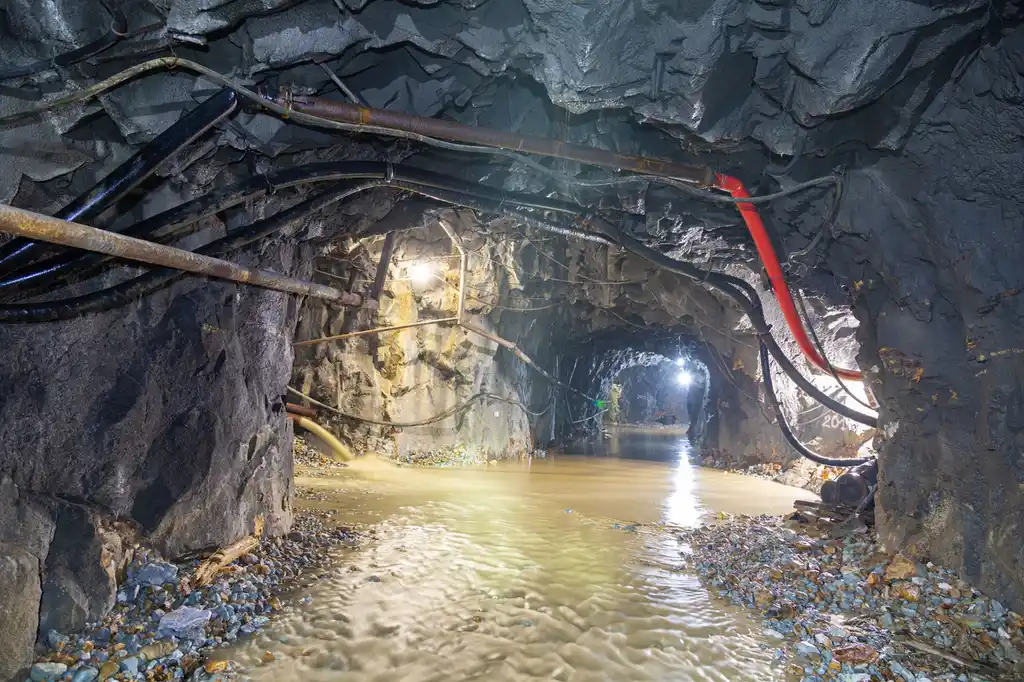
We pull standing water with truck-mounted extraction units, then switch to wet/dry vacuums for the shallow pockets. If the source was a burst pipe or frozen pipe, we isolate that line first so we are not fighting incoming water. Extraction usually takes one to three hours depending on volume.
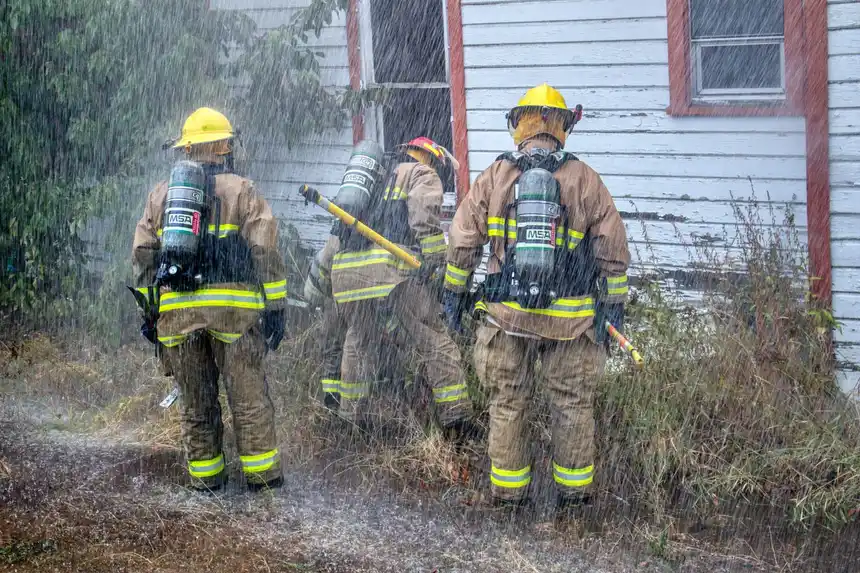
We position air movers and dehumidifiers to create a drying vortex across wet surfaces. Dri-Eaz and Phoenix Restoration Equipment units run continuously while we monitor with hygrometers. Most residential jobs dry in three to five days. We adjust equipment placement each visit based on fresh readings.
Before we pull equipment, we confirm every material is back to dry standard. We take final moisture readings, photograph the results, and walk you through the space. If any material stayed wet, we keep drying. You get a written summary of what was done and what to watch for next storm season.
Move across a circle, or focus it and press Enter, for an illustrative thermal view of the photograph.
These tell us exactly how wet a material is and when it has reached dry standard. We take readings at every visit and share the numbers with you.
Infrared imaging shows temperature differences that reveal hidden moisture behind walls and under floors. It lets us find water without cutting exploratory holes.

A boroscope slips into wall cavities through small openings so we can see the framing and insulation condition. It confirms whether a cavity needs to be opened.
This is the heavy lifter for standing water. It pulls hundreds of gallons from carpet, concrete, and crawlspaces far faster than any portable unit.
High-velocity air movers create a drying vortex across wet surfaces. We position them based on moisture readings and adjust placement each visit.
Thermal views are illustrative, generated from the photographs.
Dehumidifiers pull moisture vapor out of the air so wet materials can release their water. We size the units to the cubic footage of the affected space.
For shallow water and tight spaces, these handle what the truck mount cannot reach. They are also useful for final cleanup after extraction.
We follow the IICRC S500 standard for water damage restoration, which sets the drying goals, monitoring intervals, and documentation requirements. It is the industry benchmark and the language your insurance adjuster understands.
We classify water as Category 1, 2, or 3 before we start. Storm water and sewage backup are Category 2 or 3, which changes our PPE, antimicrobial treatment, and disposal methods. Clean water and contaminated water do not get the same response.
We take hygrometer and moisture meter readings every 24 hours and adjust equipment placement based on the numbers. Drying is a measured process, not a guess. We do not pull equipment until materials read dry standard.
When mold growth is present or suspected, we set containment barriers and run negative air machines to keep spores from spreading. This protects the rest of your home while we work in the affected area.
A nor'easter drops three inches of rain and your Southbridge basement takes on water overnight.
We arrive the same morning, extract the standing water with truck-mounted units, and set Dri-Eaz dehumidifiers and air movers. We check the sump pump and discharge line while the drying runs.
Outcome: The basement is dry in four days, no mold growth, and you have moisture logs and photos for your insurance claim.
A frozen pipe bursts above your Trolley Square kitchen and water runs down through the ceiling.
We cut out the saturated drywall, extract water from the floor below, and dry the ceiling framing.
Outcome: The ceiling is repaired and repainted within a week, and the framing reads dry standard before we close it up.

Heavy rain overwhelms the floor drain at your Riverfront shop and floods 800 square feet of retail space.
We work after hours so you do not lose a business day. Commercial-grade dehumidifiers and air movers dry the open floor while we log readings every morning.
Outcome: The floor is dry in three days, the shop reopens on schedule, and the documentation supports your commercial claim.
A roof leak during a summer storm stains the ceiling in your Highlands home and drips into a bedroom.
We trace the leak with thermal imaging cameras, extract the pooled water above the ceiling, and dry the framing. We document the roof breach for your adjuster.
Outcome: The ceiling is dried without a full tear-out, and the repair scope is clear for your roofer and your insurer.
Your water heater leaks the night before Thanksgiving and soaks the utility room floor.
We drain the tank area, extract the water, and dry the surrounding drywall and framing. We check the pan and sump pump liner so the next leak drains correctly.
Outcome: The utility room is dry in three days, and the holiday goes on without a mold problem behind the walls.
Wilmington's storm pattern is specific. October and November bring nor'easters that dump two to four inches in a day. January and February bring freeze-thaw cycles that burst pipes in older homes. Spring and summer bring heavy rain flooding that overwhelms sump pumps in low-lying neighborhoods like Southbridge and Browntown. The building stock matters too.
Many homes in The Highlands, Trinity Vicinity, and Brandywine Village have stone foundations and original mortar that need gentler drying than modern concrete. Finished basements with wood flooring and drywall need controlled airflow, not a blast of heat. We adjust our drying plan to the structure, not the other way around.
When you call for storm water damage restoration in Wilmington DE, we ask about your foundation type and basement finish before we load the truck. That is how we bring the right equipment on the first trip. If you need same day storm damage water cleanup Wilmington DE, call (302) 775-0748 and we will confirm your address and schedule the visit.
Before: A nor'easter dropped three inches of rain and the sump pump failed overnight. Four inches of water covered 600 square feet of finished basement, soaking carpet, drywall, and a plywood subfloor.
After: We extracted 180 gallons, removed the ruined carpet, and dried the framing and subfloor in four days. Final hygrometer readings confirmed dry standard across all materials. No mold growth was found at the follow-up check.
We recommended a new sump pump liner and a battery backup. The homeowner now tests the pump before every storm season and keeps the discharge line clear.
Before: A frozen pipe burst above the kitchen during a January thaw. Water ran down through the ceiling and soaked 200 square feet of drywall and hardwood flooring before the homeowner shut off the main.
After: We cut out the saturated drywall, extracted water from the floor, and dried the ceiling framing in three days. The hardwood dried without cupping.
We added pipe insulation to the exterior wall run and advised the homeowner to keep cabinet doors open during deep freezes so warm air reaches the pipes.
Before: Heavy rain backed up through a floor drain and flooded 800 square feet of retail space. Water sat for six hours before the owner called, and the concrete floor and lower drywall were saturated.
After: We worked after hours, extracted the standing water, and set commercial-grade dehumidifiers and air movers. The floor and walls read dry standard in three days. The shop reopened without losing a business day.
We recommended a backflow preventer on the floor drain and annual drain cleaning before storm season. The owner now keeps a moisture meter on site for quick checks.
Storm water finds the weak point in every building. Here are the problems we see most often and how we handle them.
A measured dry-out means no mold, no smell, and no surprise repairs.
We run truck-mounted extraction units and DeWalt wet/dry vacuums to pull standing water out of basements, crawlspaces, and garages. Most residential jobs see the bulk of the water gone within the first two hours on site. That speed is what keeps drywall and plywood subfloor from needing replacement.
Mold can start growing on wet drywall in 24 to 48 hours. We set Dri-Eaz and Phoenix Restoration Equipment dehumidifiers the same day, then check readings with a hygrometer every 24 hours until the structure hits dry standard. You get documented moisture logs, not guesswork.
We photograph every affected room, log moisture readings, and write the scope in the format adjusters expect. That means fewer back-and-forth calls and a cleaner claim. If you need storm water damage restoration services in Wilmington Delaware and you are filing a claim, we make that part easier.
Our technicians know which Wilmington blocks flood first, which basements have original stone foundations, and where sump pump liners fail. That local experience means we bring the right equipment on the first trip instead of guessing. We serve 19801, 19802, 19805, and the surrounding ZIP codes.
What a written scope covers and what shapes it. Prices are set by the business after the first look.
Included
Depends on
Clear records you can keep and share.
Daily readings recorded for your file
Images of every affected room
Job summary in adjuster format
Equipment placement and runtime notes
How we treat your water depends on what is in it, and that changes the equipment and the safety steps.
Clean water from a supply line
Water with some contamination
Grossly contaminated water
A list like this tells people straight away whether you cover their street. Not listed? Call and ask: it only takes a minute.
Based in Wilmington and covering the places around it. Pick one for local details.
A single flooded basement with minimal contamination often lands near the lower end. Jobs involving sewage backup, hardwood floor water damage restoration, or ceiling water damage restoration push toward the higher end because they take more equipment and more days. We give a firm number after the inspection.
First, kill the power to any flooded area at the breaker if you can reach it safely. Second, do not walk through standing water that may be touching outlets or appliances. Third, call us at (302) 775-0748 and start documenting with photos for your insurance claim. Do not run a household fan into a wet wall; it pushes moisture deeper. We handle the extraction and drying from there.
Extraction takes one to three hours on a typical basement. Structural drying runs three to five days for most homes, and up to seven days when drywall or plywood subfloor is saturated. We check moisture readings every 24 hours and adjust equipment. You are not waiting on us to guess; the hygrometer tells us when the structure is actually dry.
Most homeowner policies cover sudden storm water damage, including heavy rain flooding and roof leak water damage restoration, but they often exclude long-term groundwater intrusion or neglected sump pump failure. We document the loss with photos, moisture logs, and a written scope in adjuster format. Call your insurer the same day you call us.
Other services from the same team.
Standing storm water gets worse by the hour. Our IICRC trained crew is ready to extract, dry, and document your Wilmington property before mold takes hold. Call (302) 775-0748 and we will schedule your same-day inspection.
Call (302) 775-0748 any time, day or night. If you prefer email, send photos and details to [email protected] and we will follow up with next steps.