Signs your basement is leaking groundwater and what to do
Musty smells, white powder on the walls, and damp carpet are the first signs your basement is leaking groundwater in Wilmington DE. Here's what to do next.
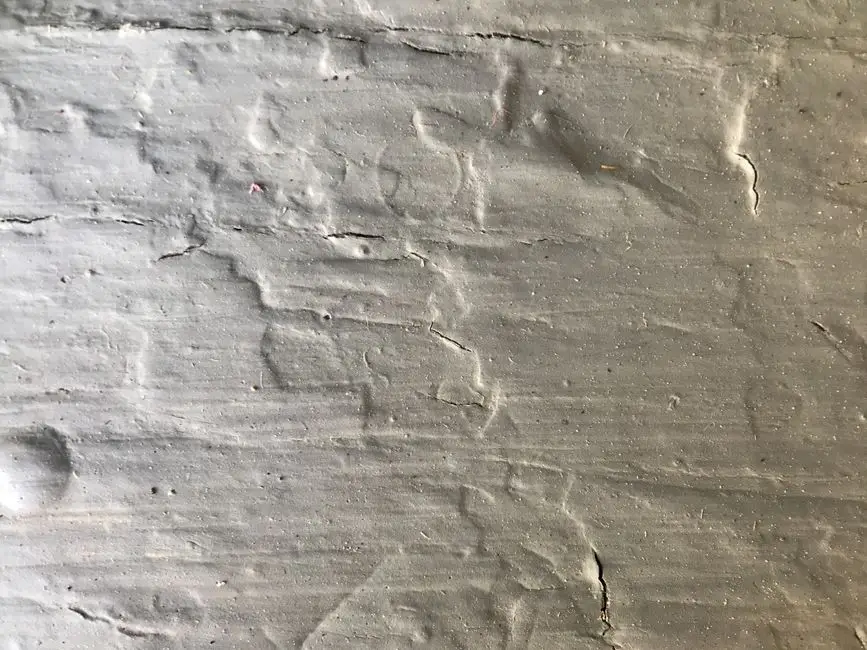
The first sign of groundwater leaking into your Wilmington basement is usually a smell, not a puddle - a musty, dirt-like odor that gets stronger after rain. The second sign is a white, chalky powder on the lower blocks or a dark tide line along the base of the wall. If you have either, groundwater is already finding a path through your foundation, and the fix is a combination of stopping the water outside and drying what has already come in.
Below we walk through the seven signs we look for on every call, why Wilmington's soil and older housing stock make this so common, what you can do yourself this weekend, and when it is time to bring in a crew. We do this work every week in the city, from the Highlands to Browntown.
What groundwater intrusion in a Wilmington basement actually looks like
Signs basement leaking groundwater Wilmington DE is the pattern of moisture, mineral deposits, and odors that show up when the water table rises against your foundation and pushes water through cracks, joints, and porous block. It is not the same as a plumbing leak, and it is not the same as a roof leak - those leave different fingerprints. Groundwater shows up low, spreads horizontally, and gets worse after heavy rain or during the spring thaw.
Most homeowners we meet in Wilmington first notice it in late fall or early spring, when the ground is saturated and the sump pump is running every 20 minutes. If your basement only gets wet after a storm, that is groundwater. If it is wet every day regardless of weather, you probably have a supply line or drain issue on top of it.
The seven signs your basement is leaking groundwater in Wilmington DE
Basement seepage signs Wilmington DE homeowners report most often fall into seven categories. Check your basement against this list the next time it rains hard.
- Musty odor that never goes away. That earthy, wet-cardboard smell is mold and bacteria feeding on damp organic material. It gets worse in humid months and after rain.
- White powder or flaking on the lower walls. This is efflorescence - mineral salts left behind as water evaporates through the concrete. It is the single most reliable sign of chronic seepage.
- Dark tide lines or staining at the base of walls. A horizontal dark band 2 to 12 inches up from the floor means water is wicking up the block.
- Damp or discolored carpet and padding. If the carpet is cool and clammy near the walls but dry in the middle, groundwater is entering at the perimeter.
- Rust on water heater feet, furnace base, or storage racks. Metal only rusts like that when it sits in moisture for weeks.
- Hairline cracks that weep. A crack that shows a wet streak or a bead of water during rain is an active pathway.
- Sump pump running constantly or not at all. A pump that cycles every few minutes during dry weather is fighting a losing battle. A pump that never runs during a storm is either dead or the pit is dry because water is going somewhere else.
If you count three or more of these, you are past the point where a dehumidifier alone will solve it. We see this exact combination in older rowhouses across the city, and our team handles groundwater seepage cleanup Wilmington Delaware as a standard service call.
Why Wilmington basements get groundwater in the first place
Groundwater in basement Wilmington Delaware comes down to three local factors: soil, slope, and the age of the housing stock.
Wilmington sits on a mix of clay-heavy soils and older fill. Clay does not drain. When we get 2 to 3 inches of rain in a day - which happens several times a year here - the water table rises fast and has nowhere to go but against your foundation. Add the fact that many neighborhoods sit on a slope, and you get hydrostatic pressure pushing water through any gap it can find.
Then there is the housing. A large share of Wilmington's rowhouses and twins were built before 1950, many with rubble or block foundations that were dampered, not waterproofed. Original exterior drainage was often a French drain that has long since clogged with roots and silt. We routinely find footer drains that have not moved water in 20 years.
If you live in a low-lying pocket near the Christina River or the Brandywine, you also deal with a higher water table year-round. Homeowners in those areas often need a sump system plus exterior grading work, not just a patch on the inside wall.
How do I know if my basement is leaking groundwater in Wilmington DE?
You know it is groundwater - not a plumbing leak - if the moisture appears only after rain, shows up along the floor-wall joint or lower block, and leaves mineral powder or a tide line. A plumbing leak, by contrast, runs continuously, often shows up higher on the wall or under a fixture, and may be accompanied by a spike in your water bill.
Here is a simple test you can run this week. Tape a 12-inch square of aluminum foil to the lower wall, sealing all four edges, and leave it for 48 hours. If the side facing the wall is wet when you pull it off, water is coming through the masonry from outside. If the room-facing side is wet, you have a humidity problem instead. That one test saves a lot of guessing.
For a more thorough look, our technicians use pin-type and non-invasive moisture meters to map exactly where the water is entering and how far it has spread. You can read more about that process on our moisture detection and mapping Wilmington Delaware page.
What to do the moment you spot groundwater in your basement
What to do about groundwater in basement Wilmington Delaware starts with three moves in the first hour: get standing water out, get air moving, and get anything porous off the floor.
- Kill the power to the affected area at the breaker if water is anywhere near outlets, the panel, or appliances. Do not walk through standing water to reach the panel.
- Move cardboard, fabric, and paper up off the floor. These wick water fast and become mold food within 24 to 48 hours.
- Start extraction. A wet/dry shop vac handles a quarter inch. Anything deeper needs a pump. If the water is more than an inch deep or covers more than 100 square feet, call us - this is exactly what our water removal service Wilmington DE is built for.
- Run a dehumidifier and box fans. Keep windows closed if it is humid outside. You want to pull moisture out of the air, not bring more in.
- Photograph everything before you move it, for your insurance claim.
Do not run a shop vac or extension cord through standing water. Do not try to dry carpet and padding in place - 90 percent of the time it has to come up. And do not paint over the wet wall to hide the stain; you will trap moisture and the efflorescence will push right back through.
How to stop groundwater from entering your basement in Wilmington DE
How to stop groundwater from entering basement Wilmington DE is a two-part job: manage the water outside, then seal and drain what still gets through.
Outside work (the part that actually fixes the problem)
- Clean the gutters and extend downspouts 6 to 10 feet from the foundation. This is the cheapest, highest-impact fix on the list. Most Wilmington basements we inspect have downspouts dumping water within 18 inches of the wall.
- Regrade the soil so it slopes away at roughly 1 inch per foot for the first 6 feet. A 6-inch drop over that distance moves a surprising amount of water.
- Clear or replace the footer drain. On pre-1950 homes, this often means a new exterior drain tile system.
- Repair cracks from the outside where possible with hydraulic cement and a membrane, not just a smear of patch on the interior.
Inside work (the backup plan)
- Interior drain tile and a sump pit with a primary pump plus a battery backup. In Wilmington, power outages during storms are common - a backup pump is not optional.
- Crystalline waterproofing on the interior block, which penetrates the masonry and grows crystals into cracks instead of just coating the surface.
- A sealed vapor barrier on the walls and floor if you plan to finish the space.
If the water has already been in for a few days, you also need to deal with what it left behind. Mold can start colonizing drywall and framing within 24 to 48 hours. Our mold removal and cleanup Wilmington DE team handles that side of the job, and we usually run it alongside the drying work so you are not paying for two mobilizations.
Common mistakes we see homeowners make
The single biggest mistake is treating a groundwater problem like a plumbing problem. Homeowners call a plumber, the plumber finds no leak, and three weeks later the basement is wet again after the next storm.
Other mistakes we see regularly:
- Painting over efflorescence. The paint peels within a season because the water is still pushing through.
- Relying on a dehumidifier alone. A standard 50-pint unit cannot keep up with active seepage. It just runs 24/7 and drives up your PPL bill.
- Ignoring the sump pump until it fails. Test it every 3 months by pouring a bucket of water into the pit. If it does not kick on within a few seconds, replace it before the next storm.
- Finishing the basement before fixing the water. We have torn out brand-new drywall and carpet that was installed over an active seep. That is a $4,000 to $12,000 mistake in this market.
- Assuming insurance will cover it. Standard homeowners policies in Delaware typically exclude long-term seepage. They usually cover sudden events like a burst pipe or a sump failure - which is why documentation matters.
When to call a professional
Call us when the water is more than a damp spot, when you smell mold, or when the same corner has gotten wet three times in a year. Those are the three triggers.
Wilmington AquaRestore handles the full chain - inspection, extraction, structural drying, and repair - so you are not coordinating three contractors. We find the entry point, pull the water out, dry the structure to IICRC standards, and treat any microbial growth before we close up. If you are also dealing with a failed sump or a foundation crack that has gotten worse, we can fold that into the same visit. For a broader look at what we do across the city, see our Water Damage Restoration Wilmington DE services.
One more thing: if your basement floods every time we get a 2-inch rain, you do not have a drying problem, you have a drainage problem. We will tell you that on the first visit rather than sell you a third round of extraction.
Frequently Asked Questions
How do I know if my basement is leaking groundwater in Wilmington DE?
You know it is groundwater if moisture appears only after rain, sits low on the wall or at the floor joint, and leaves white mineral powder or a dark tide line. A plumbing leak runs continuously and often shows up higher or under a fixture.
What causes groundwater in basements in Wilmington Delaware?
Clay-heavy soil, a high water table near the Christina and Brandywine, and pre-1950 foundations without modern waterproofing. When we get 2 to 3 inches of rain, water has nowhere to go but against your foundation.
How do I fix groundwater intrusion in Wilmington DE?
Start outside: clean gutters, extend downspouts 6 to 10 feet, regrade soil to slope away at 1 inch per foot. Then add interior drain tile and a sump pump with battery backup. Interior sealants alone will not stop active seepage.
How much does groundwater cleanup cost in Wilmington?
Typical 2026 pricing in this area runs $1,200 to $3,500 for extraction and drying of a standard basement, and $4,000 to $12,000 if drain tile and a sump system are needed. Mold remediation adds $1,500 to $6,000 depending on square footage.
Will my homeowners insurance cover groundwater in the basement?
Usually no for long-term seepage - most Delaware policies exclude it. Sudden events like a burst pipe, appliance failure, or sump pump blowout are typically covered. Document everything with photos before you move it.
Get help with Water Damage Restoration in Wilmington
If your basement is wet, musty, or showing white powder on the walls, we can be there today. We handle groundwater intrusion, sump failures, and the mold that follows - start to finish.
Call Wilmington AquaRestore at (302) 775-0748 for a same-day inspection and a straight answer on what it will take to dry your basement out for good.