How to prevent frozen pipes in Wilmington winter
Wilmington winters freeze pipes fast. Learn how to prevent frozen pipes in Wilmington DE with insulation, drip faucets, and burst pipe repair.
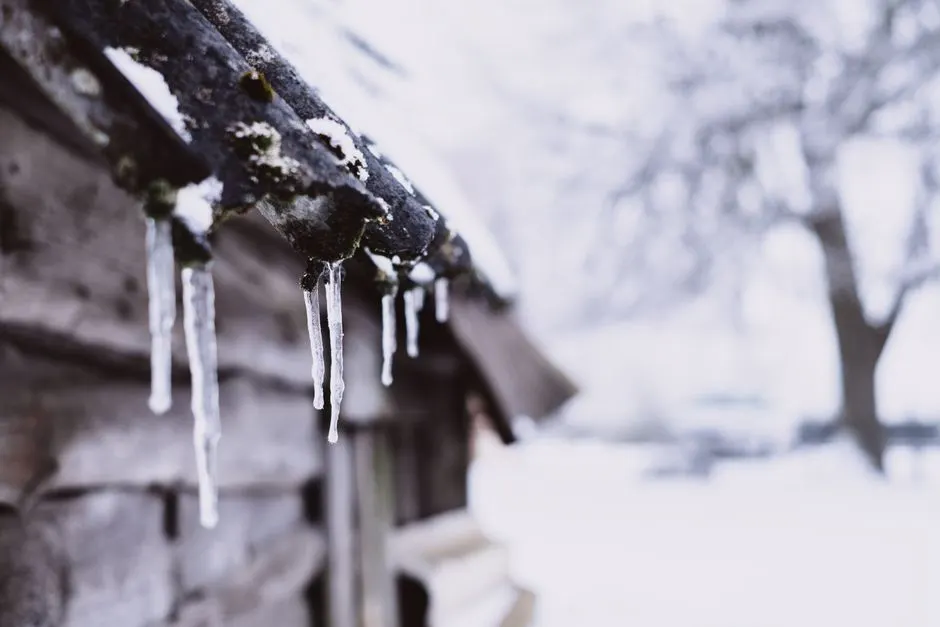
You prevent frozen pipes in Wilmington DE by keeping every exposed pipe above 32°F through insulation, heat tape, and a steady drip on the coldest nights. The Delaware River keeps us a few degrees warmer than inland Pennsylvania, but our older rowhouses, crawlspaces, and unheated garages still freeze hard from December through early March. This guide covers the exact temperatures that put your plumbing at risk, the winterization steps we take on our own service calls, and what to do the moment you hear that first crack.
Why Wilmington pipes freeze faster than you think
Wilmington pipes freeze faster than you think because so much of our housing stock was built before 1950, when insulation around supply lines was an afterthought. In neighborhoods like Forty Acres, Trinity Vicinity, and the blocks around Trolley Square, water lines often run through unheated basements, exterior walls, and crawlspaces that sit at 28°F to 34°F for days at a time.
The physics is simple. Water expands about 9% when it turns to ice. That expansion is what splits copper, bursts PEX, and cracks the plastic supply line behind your washing machine. A pinhole leak from a frozen pipe can release 250 gallons a day into your basement or between your walls.
We see the same pattern every January. A homeowner leaves for a weekend, the furnace keeps the living room at 68°F, but the pipe feeding the outdoor spigot sits at 24°F and splits. They come home to a wet ceiling and a Water Damage Inspection Wilmington DE that tells them the damage started two days earlier.
How do I prevent frozen pipes in Wilmington DE?
You prevent frozen pipes in Wilmington DE by addressing the four weak points in every home: exposed pipes, exterior walls, crawlspaces, and fixtures that sit against an outside wall. Here is the checklist our technicians run through before the first hard freeze each November.
- Insulate every accessible supply line. Foam pipe sleeves cost about $2 to $4 per six-foot section at any Wilmington hardware store. Wrap elbows and T-joints with fiberglass tape because those are the first spots to ice up.
- Seal the gaps around exterior penetrations. Caulk or spray foam around dryer vents, hose bibs, and cable entries. Cold air pouring through a half-inch gap can drop the pipe temperature 10°F.
- Disconnect garden hoses and shut off outdoor spigots. A hose left connected traps water in the spigot body. That water freezes, splits the valve, and leaks into your rim joist.
- Keep cabinet doors open under sinks on exterior walls. In kitchens and bathrooms along the north or west side of the house, open the doors so warm room air reaches the pipes.
- Maintain 55°F minimum indoors, even when you travel. Set the thermostat and leave it. A furnace failure at 2 a.m. in a 20°F cold snap gives you about six hours before pipes start freezing.
If you have already had a freeze event this season, our team can handle the Frozen Pipe Water Damage Restoration Wilmington DE and get the line repaired and the affected rooms dried before mold sets in.
What temperature do pipes freeze in Wilmington Delaware?
Water pipes freeze at 32°F, but the pipe itself does not need to hit that temperature for ice to form. Wind chill, poor insulation, and the thermal mass of the surrounding wall all matter. In Wilmington, we start getting freeze calls when the overnight low drops to 24°F or below for two consecutive nights.
Here is what we see in the field:
- 28°F to 32°F: Pipes in unheated crawlspaces and garages begin to form ice crystals. Flow slows but rarely stops.
- 20°F to 27°F: Exposed pipes in exterior walls freeze solid within 6 to 12 hours. This is when most Wilmington burst pipe calls come in.
- Below 20°F: Even pipes inside conditioned basements can freeze if they run along an exterior foundation wall. Wind chill accelerates the process.
Our record cold snap in recent memory pushed Wilmington to 2°F. During those stretches we field dozens of calls a day. The homes that came through without damage were the ones that had already winterized their pipes and kept a drip running.
Should I drip faucets to prevent frozen pipes in Wilmington DE?
Yes, you should drip faucets to prevent frozen pipes in Wilmington DE whenever the forecast low is 24°F or lower. A slow drip relieves pressure inside the pipe and keeps water moving, which is the single cheapest thing you can do. A pencil-thin stream is better than a drip on the coldest nights.
Drip the faucet farthest from where the water enters your home. In most Wilmington rowhouses that is the second-floor bathroom or the kitchen sink on the exterior wall. If you have a crawlspace or a finished basement, drip a utility sink down there too.
The cost is minimal. A dripping faucet uses roughly 2 to 3 gallons per day. Compare that to the $3,000 to $8,000 a burst pipe typically costs to repair and dry in 2026, and the math is obvious.
One caveat: a drip only helps if the pipe has not already frozen. If you turn the handle and nothing comes out, shut off the main and call us before you try to thaw it.
Winter pipe insulation tips for Wilmington Delaware
Winter pipe insulation tips for Wilmington Delaware homeowners start with the right materials for our climate. Foam rubber sleeves work for interior pipes. For pipes in unheated crawlspaces or along exterior walls, you want closed-cell insulation plus a self-regulating heat cable rated for 120V.
Here is how we insulate the pipes that matter most:
- Use 1-inch wall foam sleeves on all hot and cold supply lines. Thicker is better. A 1-inch sleeve keeps the pipe surface about 8°F warmer than a bare line.
- Wrap heat tape in a spiral, not a straight line. Spiral wrapping distributes heat evenly and prevents hot spots that can damage PEX.
- Insulate the pipe, then the wall cavity. Adding fiberglass batt behind the pipe keeps cold air from the exterior sheathing off the line.
- Do not insulate over a leak or a corroded fitting. Fix the pipe first. Insulation traps moisture and accelerates corrosion.
If you are not comfortable working around electrical heat tape or you have a finished basement with limited access, our team handles Residential Water Damage Restoration Wilmington DE and can winterize the system as part of a preventive visit.
Common mistakes that lead to burst pipes
The most common mistake Wilmington homeowners make is assuming a newer house cannot freeze. It can. We have repaired burst PEX lines in brand-new construction off Kirkwood Highway because the builder ran the supply line through an uninsulated exterior wall.
Other mistakes we see every winter:
- Turning the heat down too far before a trip. Anything below 55°F is risky in a Wilmington January.
- Closing off unused rooms. Shutting the door to a spare bedroom also shuts off heat to the pipes in that wall.
- Using an open flame to thaw a pipe. This is how house fires start. Use a hair dryer, heat gun on low, or call us.
- Ignoring a slow drain. A partially frozen drain line is a warning sign. The supply line is next.
- Forgetting the garage. If your water heater or laundry hookup is in the garage, that space needs its own heat source or a drip.
We also see homeowners miss the connection between frozen pipes and Mold Remediation Wilmington DE. A pinhole leak behind drywall can feed a mold colony for weeks before you smell it. If you had any freeze event this winter, get the wall cavity checked.
What to do if pipes freeze in Wilmington Delaware
If pipes freeze in Wilmington Delaware, shut off the main water valve first, then open the nearest faucet and apply gentle heat to the frozen section. Do not use a torch. Do not pour boiling water on a PVC line. Work from the faucet end back toward the freeze point.
Here is the order we recommend:
- Shut off the main. This limits flooding if the pipe has already split.
- Open the affected faucet. As the ice melts, water and steam need somewhere to go.
- Apply heat with a hair dryer or heat gun on low. Keep the tool moving. Never leave it unattended.
- Watch for leaks. If you see water spraying or dripping, stop and call us. The pipe has already failed.
- Call your insurance company if there is water damage. Document everything with photos before you clean up.
If the pipe has burst, our Emergency Water Removal Wilmington DE team can be on site to extract standing water, dry the structure, and repair the line. We handle the whole job, not just the pipe.
When to call a professional
Call a professional when you cannot find the frozen section, when the pipe has already burst, or when the freeze is inside a wall or under a slab. Those are the situations where a DIY thaw turns into a flooded basement. Wilmington AquaRestore handles frozen pipe repair, water extraction, and structural drying across New Castle County.
We also get calls from property managers and landlords who need a commercial building checked after a cold snap. If you own a rental in Wilmington, a quick inspection after any sub-24°F night is cheaper than a tenant complaint and a mold claim.
Frequently Asked Questions
How do I prevent frozen pipes in Wilmington DE?
Insulate all exposed pipes, seal exterior gaps, disconnect hoses, keep indoor heat at 55°F or higher, and drip faucets on nights below 24°F. If you travel, leave the thermostat set and ask a neighbor to check the house.
What temperature do pipes freeze in Wilmington Delaware?
Pipes freeze at 32°F, but in Wilmington the risk spikes when overnight lows hit 24°F or lower for two nights. Exposed pipes in crawlspaces and exterior walls can freeze solid in 6 to 12 hours at 20°F.
Should I drip faucets to prevent frozen pipes in Wilmington DE?
Yes. A pencil-thin stream on the farthest fixture keeps water moving and relieves pressure. It uses 2 to 3 gallons a day and costs pennies compared to a $3,000 to $8,000 burst pipe repair in 2026.
How much does frozen pipe repair cost in Wilmington?
Most frozen pipe repairs in Wilmington run $350 to $1,200 in 2026, depending on access and pipe material. If water damage occurred, extraction and drying typically add $1,500 to $5,000. We provide upfront pricing before we start.
Can I thaw a frozen pipe myself?
You can thaw an accessible copper or PEX line with a hair dryer or heat gun on low, working from the faucet back. Never use an open flame. If the pipe is inside a wall or has already split, call us.
Get help with Water Damage Restoration in Wilmington
If a frozen pipe has already burst or you are not sure where the freeze is, call Wilmington AquaRestore at (302) 775-0748. We handle frozen pipe repair, water extraction, and structural drying across Wilmington and New Castle County, and we answer the phone 24/7 in winter.